Planting
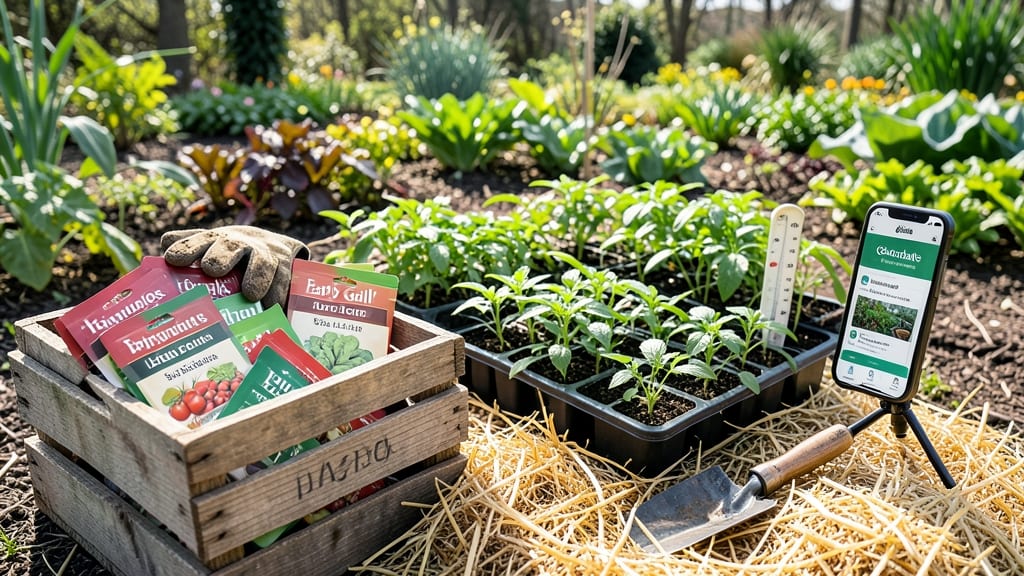
Planting your garden in Kentucky at the right time means the difference between a bountiful harvest and a sad, wilted disappointment.
Kentucky’s USDA Zone 6b climate means your garden’s success hinges on planting at the perfect time—too early and frost zaps your crops, too late and you miss peak harvests. Get the exact deadlines for vegetables, flowers, and herbs to maximize your yield this season.
Cool-season crops like lettuce and spinach should hit the soil 6 weeks before your last frost date, while warm-season favorites like tomatoes and peppers need to wait until after May 15 in most of the state.
Below, I’ll break down the month-by-month planting schedule for Kentucky, including frost warnings, soil prep tips, and how to adjust for microclimates—so you can finally stop guessing and start growing with confidence.
Kentucky planting deadlines by crop type (Zone 6b guide)
Kentucky’s Zone 6b climate means your garden thrives when you plant at the right time—before last frost for cool-season crops and after soil warms for warm-season varieties. The average last frost date in Kentucky falls between April 15-30, while the first frost arrives around October 15-30.
Missing these windows can mean stunted growth or lost harvests, so let’s break down the exact deadlines for your garden’s success.
For cool-season crops like lettuce, spinach, and peas, planting too late risks bolting (going to seed) before harvest. Meanwhile, warm-season crops such as tomatoes and peppers need soil temperatures above 60°F to germinate properly.
Perennial herbs like rosemary and thyme have their own ideal windows to establish strong root systems before winter. Let’s dive into the specifics to ensure you’re planting at peak times.
Here’s a quick reference for Kentucky’s planting deadlines, organized by crop type and season:
| Crop Type | Ideal Planting Window | Last Chance Before Frost | Notes |
|---|---|---|---|
| Cool-Season Vegetables (Lettuce, Spinach, Kale) | Early Spring (March 15-April 15) or Fall (August 15-September 15) | April 30 (Spring) or October 15 (Fall) | Direct sow 4-6 weeks before last frost. Use row covers for early starts. |
| Warm-Season Vegetables (Tomatoes, Peppers, Cucumbers) | After last frost (May 1-June 15) | June 15 (Soil must be 60°F+) | Start indoors 6-8 weeks before transplanting. Use black plastic mulch to warm soil. |
| Perennial Herbs (Rosemary, Thyme, Oregano) | Early Spring (March 15-April 30) or Fall (September 1-October 15) | April 30 (Spring) or October 15 (Fall) | Plant in well-draining soil. Avoid fall planting in high-rainfall years. |
| Flowers (Marigolds, Zinnias, Sunflowers) | After last frost (May 1-June 15) | June 15 (Soil must be 55°F+) | Direct sow after frost. Deadhead for continuous blooms. |
| Root Vegetables (Carrots, Beets, Radishes) | Early Spring (March 15-April 15) or Fall (August 1-September 15) | April 30 (Spring) or October 1 (Fall) | Sow directly in loose, stone-free soil. Thin seedlings early. |
For cool-season crops, timing is critical because they thrive in cooler temperatures and can suffer damage if planted too late. For example, lettuce and spinach should be sown 4-6 weeks before your last frost date.
In Kentucky, this typically means starting in mid-March for an early spring harvest or mid-August for a fall crop. If you miss these windows, consider using row covers to protect young plants from unexpected frost.
When planting warm-season crops, wait until the soil temperature consistently reaches 60°F or higher. In Kentucky, this usually happens around mid-May. Tomatoes, peppers, and eggplants are sensitive to cold soil, so rushing the process can lead to poor germination or stunted growth.
A simple soil thermometer ($10 at garden centers) can save you from guessing—plant only when the reading confirms it’s time.
Perennial herbs like rosemary and thyme are often overlooked but benefit from early spring or fall planting. These hardy plants establish roots more easily in mild temperatures, so avoid planting them in peak summer heat.
If you’re planting in fall, do so at least 6 weeks before your first frost to allow roots to develop before winter dormancy.
One common mistake is planting warm-season crops too early, even if the air feels warm. The soil temperature is what matters most—cold soil can delay germination by weeks.
For example, cucumbers and squash may not sprout until the soil warms to 70°F, which can happen as late as early June in Kentucky’s cooler microclimates. Always check the seed packet for specific soil temperature requirements.
If you’re growing flowers like marigolds or zinnias, aim for planting after the last frost date. These annuals love warm soil and full sun, so don’t be tempted to start them indoors too early—they’ll become leggy and weak.
For a continuous bloom, make successive plantings every 2-3 weeks through early summer.
How to adjust planting times for Kentucky’s microclimates
Kentucky’s diverse landscapes create microclimates that can shift planting times by weeks. Urban areas like Louisville often warm up faster than rural spots in western Kentucky, while high-altitude zones near the Cumberland Plateau stay cooler longer. Understanding these variations helps you avoid frost damage or missed harvest windows.
For example, my urban garden in Lexington might see 50°F soil by early April, while a friend’s farm in Henderson County waits until mid-May. The key is monitoring soil temperatures and adjusting your schedule accordingly.
⚠️ callout-warning ⚠️
⚠️ Common Mistake: Planting Too Early After Frost
Never plant frost-sensitive crops like tomatoes or peppers until soil reaches 60°F—even if nighttime temps seem mild. A single 32°F dip can kill young seedlings. Use a soil thermometer ($10 at garden centers) to verify readiness.
Pro Tip: In Zone 6b, wait until May 15 for warm-season crops unless you’re using row covers.
To extend your growing season, I rely on row covers (like Agribon) in early spring and cold frames for fall crops. These tools add 2-4 weeks of protection. For instance, my spinach thrives under row covers planted in late August, while it would bolt by September without them.
High-altitude areas (above 1,000 feet) often need 10-14 days later planting times. Check your elevation with a USGS topographic map—every 300 feet gain can delay planting by 3-5 days.
For example, Pikeville (elevation 1,100 ft) might plant cucumbers on June 1, while Bowling Green (600 ft) starts them May 15.
For urban gardeners, concrete and buildings create heat islands that warm soil faster. Test your spot’s microclimate by planting radishes (fast-growing) in March—if they thrive, your area warms early. If they struggle, delay other cool-season crops by 2 weeks.
Always pair planting adjustments with mulching (straw or leaves) to stabilize soil temps. I’ve seen 5°F differences between mulched and bare soil in Kentucky’s spring. Combine this with a planting calendar (like the one in Section 3) to fine-tune your schedule.