
Planting
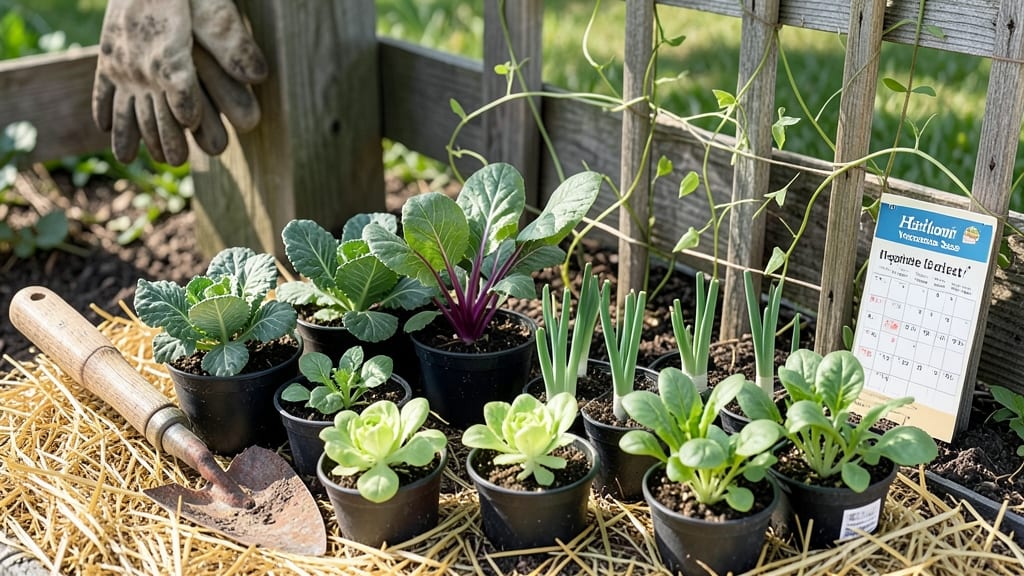
Planting your garden in Maine after the last frost is the key to a fast, bountiful harvest—especially when you know the exact dates for your region.
Maine’s unpredictable spring weather can turn a gardener’s excitement into frustration—planting too early risks frost damage, while waiting too long shortens your growing season. But timing your garden right means harvesting crisp lettuce, juicy tomatoes, and sweet potatoes before the first hard frost hits.
With USDA zones 5b-6b and frost-free days ranging from 140-160, Maine’s planting windows are tight. Cool-season crops like spinach and peas can go in as early as March, while warm-season favorites like tomatoes and peppers need to wait until late May or early June.
Below, I’ll break down the best planting times for 10 fastest-growing crops, region-specific adjustments, and how to extend your season with cold frames and row covers—so you can make the most of Maine’s short but rewarding growing season.
Maine’s last frost dates by region: a county-by-county planting timeline
Maine’s last frost dates vary dramatically from the coastal islands to the inland valleys, making regional planning essential for your garden’s success. Coastal areas like Washington County often see frost-free conditions by May 10th, while inland Aroostook County may not reach safe planting temperatures until June 1st.
Understanding these variations helps you avoid frost damage while maximizing your growing season.
For cool-season crops like lettuce and peas, start seeds 4-6 weeks before your county’s last frost date. Warm-season crops such as tomatoes and beans need to wait until 2 weeks after the last frost to ensure roots establish before summer heat arrives.
Below, I’ve broken down average last frost dates by county, including adjustments for microclimates like valleys or urban heat islands.
Pro Tip: Use a frost-free calculator (like the one from the Maine Climate Office) to track real-time data. Even a 5-day delay can mean the difference between a thriving garden and a failed crop. For example, Penobscot County might average a May 20th last frost, but a cold snap could push it to June 5th—so always have row covers ready!
| County | Avg. Last Frost | Coastal/Inland Note | Early Planting Window | Warm-Season Ready |
|---|---|---|---|---|
| Androscoggin | May 15 | Inland valleys | April 15 (cool crops) | May 30 |
| Aroostook | June 1 | Northernmost, coldest | May 1 (cool crops) | June 15 |
| Cumberland | May 10 | Coastal, mild | March 30 (cool crops) | May 20 |
| Franklin | May 20 | Highland microclimates | April 10 (cool crops) | June 5 |
| Hancock | May 5 | Coastal, early | March 20 (cool crops) | May 15 |
| Kennebec | May 12 | Central, moderate | April 5 (cool crops) | May 25 |
| Knox | May 8 | Coastal, protected | March 25 (cool crops) | May 18 |
| Lincoln | May 7 | Coastal islands | March 20 (cool crops) | May 15 |
| Oxford | May 18 | Inland, variable | April 10 (cool crops) | June 2 |
| Penobscot | May 20 | Coastal to inland | April 15 (cool crops) | June 5 |
| Piscataquis | May 25 | Northern inland | May 5 (cool crops) | June 10 |
| Sagadahoc |