Planting
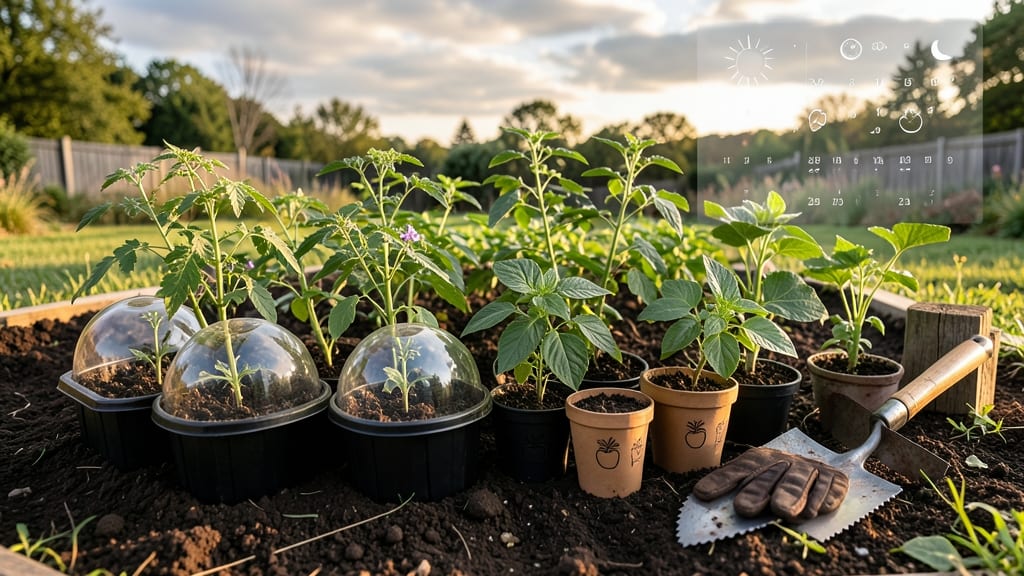
Planting your garden in North Carolina at the right time means the difference between a bountiful harvest and a sad pile of wilted seedlings.
North Carolina’s diverse climate means your garden’s success hinges on planting at the perfect time—too early and frost will strike, too late and pests or heat will ruin your harvest. Here’s your crop-by-crop planting calendar to beat NC’s unpredictable growing seasons.
From the Coastal Plain’s mild winters to the Mountains’ late frosts, timing varies by region. Learn when to start seeds indoors, when to transplant warm-season crops, and how to stretch your growing season with row covers and succession planting.
Below, I break down frost dates by zone, the best crops to plant now, and how to avoid the three biggest mistakes that wreck gardens every year.
NC frost dates by region: when to plant cool-season vs warm-season crops
North Carolina’s last frost dates vary dramatically across its three main regions: the Western Mountains, the Piedmont, and the Coastal Plain.
These differences mean your lettuce might be safe to plant in March in the Coastal region, while tomatoes in the Mountains won’t tolerate the ground until mid-May. Understanding these microclimates is key to avoiding frost damage or stunted growth.
Cool-season crops like broccoli, kale, and peas thrive when planted 4-6 weeks before your region’s last frost. Warm-season crops such as peppers, cucumbers, and squash need soil temperatures above 60°F and should wait until 2-3 weeks after your last frost.
Let’s break down the exact frost dates and planting windows for each NC region.
| Region | Last Frost Date | First Frost Date | Cool-Season Planting Window | Warm-Season Planting Window |
|---|---|---|---|---|
| Western Mountains (Asheville, Boone) | April 15–May 1 | October 15–November 1 | March 1–April 15 | May 15–June 15 |
| Piedmont (Raleigh, Greensboro) | March 15–April 1 | November 1–November 15 | February 1–March 31 | April 15–May 15 |
| Coastal Plain (Wilmington, Fayetteville) | February 15–March 1 | December 1–December 15 | January 1–February 28 | March 15–April 15 |
🌱 Note: Use row covers for 2-3 weeks after last frost to protect tender seedlings.
If you’re in the Western Mountains, your last frost date typically falls between April 15 and May 1, giving you a shorter window for cool-season crops like spinach and carrots.
Start these seeds indoors in February to ensure they’re ready for transplanting by early April. For warm-season crops, wait until mid-May when soil temperatures consistently stay above 60°F.
Gardeners in the Piedmont have a slightly longer growing season, with last frost dates ranging from mid-March to early April. This region is ideal for two harvests of cool-season crops: one in early spring and another in fall.
For example, plant lettuce in February for a spring harvest, then again in August for a fall crop before the first frost in November.
In the Coastal Plain, you can start planting cool-season crops as early as January, thanks to milder winters. Broccoli and cabbage thrive here, and you can even extend your warm-season planting into late April for crops like okra and sweet potatoes.
However, be cautious of humidity, which can promote fungal diseases—choose disease-resistant varieties and space plants properly.
For tomatoes and peppers, which are sensitive to cold soil, always wait until the soil temperature reaches at least 60°F before transplanting. Use a soil thermometer to check—planting too early can stunt growth or even kill seedlings.
In the Mountains, this might mean waiting until late May, while in the Coastal Plain, you can plant by mid-April.
Pro tip: Use mulch to warm soil faster in spring and slow cooling in fall. A 3-inch layer of straw or black plastic mulch can add 5-10°F to soil temperatures, giving you an extra 2-3 weeks of growing time for both cool- and warm-season crops.
This is especially helpful in transitional zones like the Piedmont, where frost can be unpredictable.
Don’t forget about succession planting! In regions with longer frost-free seasons, like the Coastal Plain, you can plant bush beans every 2 weeks from March through July for a continuous harvest.
Similarly, radishes mature in just 30 days, making them perfect for filling gaps between slower-growing crops like cabbage or brussels sprouts.
Finally, keep an eye on microclimates within your garden. A south-facing slope warms up faster than a north-facing valley, and urban areas can be 5-10°F warmer than rural spots. Use these microclimates
Best crops to plant now in NC (March–May) and how to extend your growing season
March through May is your golden window to plant fast-growing crops in North Carolina before summer heat sets in. These months offer perfect conditions for cool-season vegetables that thrive in mild temperatures, plus strategies to push your harvests later into the year.
With average last frost dates ranging from mid-March in Zone 8b to late April in Zone 6a, timing is everything. I’ll share my top five must-plant crops for this window, plus proven techniques to extend your growing season using simple tools like row covers and cold frames.
- Radishes – Ready in 25-30 days. Plant every 2 weeks for continuous harvests. Perfect for shady spots.
- Spinach – Harvest in 30-45 days. Thrives in cool soil (60-70°F). Use row covers to delay bolting.
- Carrots – Mature in 60-70 days. Loosen soil to prevent forked roots. Plant near onion bulbs to deter pests.
- Lettuce – Cut-and-come-again in 30-50 days. Choose heat-tolerant varieties like 'Black Seeded Simpson'.
- Peas – Ready in 55-65 days. Plant trellises to save space. Fixes nitrogen in soil!
Don’t let summer heat cut your harvest short! Use floating row covers to protect plants from pests and heat stress while allowing sunlight through. These lightweight fabrics raise soil temperatures by 5-10°F, perfect for extending the season.
For cold-sensitive crops like tomatoes and peppers, start seeds indoors in early March. Transplant after your last frost date, and use black plastic mulch to warm the soil faster. This simple trick can add 2-3 weeks to your growing season.
Succession planting is my secret weapon for nonstop harvests. After pulling early crops like radishes, replant with bush beans or turnips. This keeps your garden productive from spring through fall without extra space.
Pro tip: Mark your calendar for May 10-15—this is when I start hardening off seedlings for summer planting. By then, your early crops will be ready for harvest, and you’ll have a fresh batch of tomato and pepper starts ready to go in the ground.