Planting
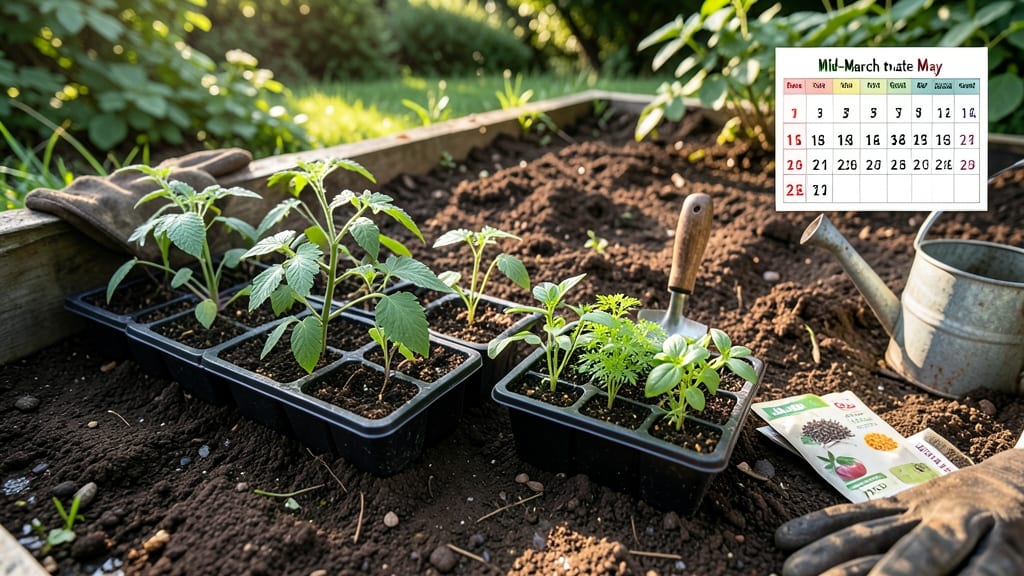
Planting a garden in Virginia means timing matters—get it wrong, and your 🌱 General Garden Plants could face frost damage or miss peak harvests entirely.
Virginia’s climate shifts dramatically from the mountains to the coast, so a one-size-fits-all approach won’t work. Whether you’re in the 6a-8a zones or a microclimate pocket, planting too early risks a late frost, while waiting too long cuts your growing season short.
This guide breaks down the exact planting windows for cool-season crops (like lettuce and peas) and warm-season favorites (tomatoes and peppers), plus how to stretch your season with simple tricks.
From soil prep in March to fall planting by September, you’ll learn the best months for every crop—and how to adjust for your corner of Virginia.
Virginia’s frost-free dates by region: when to plant cool-season crops
Virginia’s cool-season crops like lettuce, spinach, and broccoli thrive when planted at the right time—just after the last frost. But with USDA zones 5a through 8a, your exact timing depends on where you live.
In the mountainous west (zones 5a-6a), frosts linger longer, while the coastal east (zones 7a-8a) enjoys earlier springs. Even within cities, urban microclimates can delay frost by weeks compared to rural areas.
For accurate planting windows, use your region’s average last frost date as your guide. Most Virginia gardeners in zone 7a (like Richmond) can start cool-season crops by mid-March, while those in zone 5a (like Roanoke) should wait until late April.
Below, I’ve broken down planting times by crop and zone, plus tips for adjusting to your local conditions.
| USDA Zone | Avg. Last Frost | Lettuce (Direct Sow) | Spinach (Direct Sow) | Broccoli (Transplant) | Peas (Direct Sow) | Onions (Transplant) |
|---|---|---|---|---|---|---|
| 5a (e.g., Roanoke) | April 20–May 5 | Late April–May 10 | Late April–May 15 | May 1–15 | April 15–May 1 | April 1–15 |
| 6a (e.g., Lynchburg) | April 5–20 | March 25–April 15 | March 20–April 10 | April 15–May 1 | March 15–April 1 | March 15–April 1 |
| 7a (e.g., Richmond) | March 15–April 5 | March 1–20 | February 25–March 15 | March 20–April 10 | February 15–March 1 | February 15–March 1 |
| 8a (e.g., Norfolk) | February 20–March 10 | February 1–15 | January 30–February 15 | March 1–20 | January 15–February 15 | January 30–February 15 |
| Note: Adjust dates 1–2 weeks earlier for urban areas (heat islands) or later for high-elevation spots. | ||||||
For urban gardeners, heat islands can create microclimates where frost arrives 1–2 weeks later than rural areas. If you’re in Richmond or Norfolk, you might safely plant lettuce by mid-February, while mountainous regions like Blacksburg should
Best planting schedule for warm-season vegetables in Virginia
Virginia’s warm-season vegetables—like tomatoes, peppers, and cucumbers—thrive when planted after the last frost, but timing is everything. A late start can mean smaller harvests, while planting too early risks frost damage.
The key? Wait until soil temperatures hit 60°F+ and nighttime temps stay above 50°F. For Virginia’s USDA zones 6a-8a, this typically means April to early May for most regions.
For direct sowing (like cucumbers and squash), aim for two weeks after your last frost date. Transplants (tomatoes, peppers) can go in slightly earlier—once soil warms—because they establish faster. Heat-tolerant varieties like ‘Celebrity’ tomatoes or ‘Jalapeño M’ peppers are perfect for Virginia’s short season, maturing in 60-80 days.
Here’s your step-by-step planting schedule, tailored to Virginia’s climate:
- 1 Prepare soil in March: Amend with compost to raise soil temps faster. Warm-season crops need 60°F+ soil to germinate.
- 2 Direct sow cucumbers/squash: Wait until mid-April to early May (after last frost). Use black plastic mulch to warm soil faster.
- 3 Transplant tomatoes/peppers: Start 4-6 weeks before last frost indoors (early March). Move outdoors after soil hits 60°F (usually late April).
- 4 Succession plant every 2 weeks: For continuous harvests, sow bush beans or zucchini every 14 days until July.
- 5 Protect from late frosts: Use row covers if nights dip below 50°F after planting. Remove during the day.
For coastal Virginia (zone 8a), you can push planting 2-3 weeks earlier than inland areas. In the mountains (zone 6a), wait until early May to avoid late frosts. Always check your local Virginia Cooperative Extension for updated frost dates—they’re your best guide!
Mulch heavily with straw to retain moisture and soil warmth. Drip irrigation is ideal for Virginia’s unpredictable summer rains—keep soil consistently moist but not soggy. With these timing tips, you’ll maximize your harvest before Virginia’s first frost in mid-October.
Pro tip: Plant fast-maturing varieties like ‘Early Girl’ tomatoes (55 days) or ‘Straight Eight’ peppers (60 days) to beat the clock. And don’t forget to save seeds from your best performers for next year!