
Plants
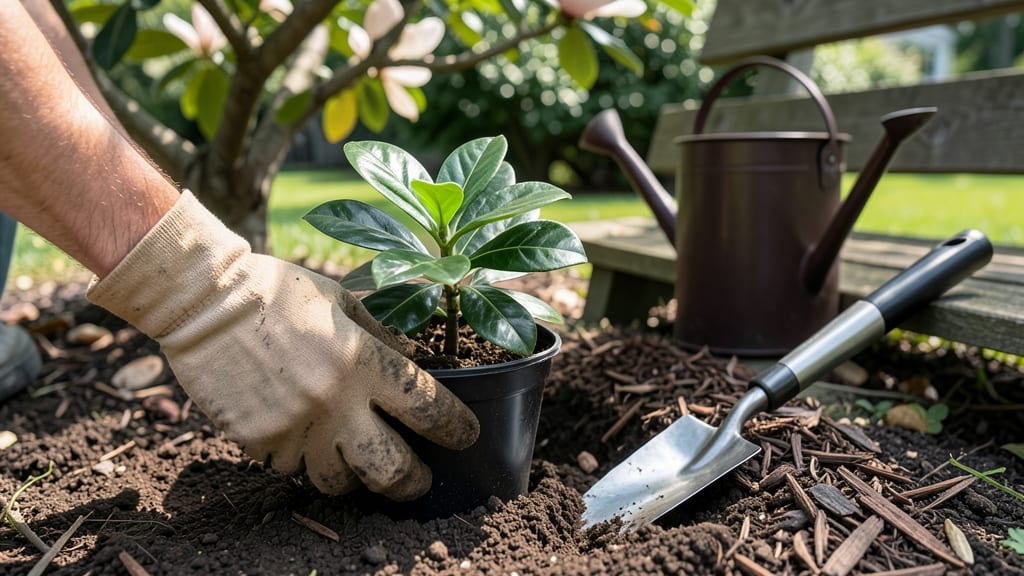
Planting gardenias in Georgia after the last frost—typically by mid-March—sets your fragrant 🌸 shrubs up for a thriving season.
Georgia’s warm climate makes it a paradise for gardenias—but planting them too early or late can mean the difference between fragrant blooms and a sad, wilted shrub. Timing isn’t just about avoiding frost; it’s about mastering the balance between heat tolerance and root establishment for maximum growth.
Inland areas like Atlanta (Zone 7b) can plant as early as late February, while coastal regions like Savannah (Zone 8a) may wait until early April. The key is waiting until soil temperatures stay above 60°F consistently, giving roots time to settle before summer’s brutal heat arrives.
Below, I’ll break down the exact frost-free windows by region, heat-proofing tips for Georgia’s summers, and how to choose the best varieties for your yard—so you can enjoy those classic white blooms all season long.
Georgia’s frost-free window for planting gardenias: exact timing by region
Georgia’s frost-free window for planting gardenias is a tight balance between escaping winter chill and preparing for summer heat. Since gardenias thrive in USDA Zones 7a-8b, timing varies dramatically from Atlanta’s cooler Piedmont to Savannah’s humid coastal climate.
Plant too early, and your shrub may suffer frost damage; too late, and it struggles to establish roots before Georgia’s brutal summers.
Your last frost dates are your first clue—these mark the ideal planting window for bare-root or potted gardenias. Across Georgia, this typically falls between mid-March and mid-April, but coastal areas like Savannah and Brunswick can start as early as late February.
Inland cities like Augusta and Macon often wait until late March to ensure safety.
The key is heat acclimation. Gardenias need 4-6 weeks to establish roots before Georgia’s 90°F+ afternoons hit. If you plant in May or June, your shrub will be stressed by summer heat before it’s ready, leading to wilting, leaf drop, or even death.
Use local Almanac frost maps or NOAA climate data to pinpoint your exact last frost date—this is non-negotiable for success.
For container gardenias, you have slightly more flexibility. You can plant them 2-3 weeks earlier than in-ground varieties since pots warm up faster. However, always harden off potted plants by gradually exposing them to outdoor conditions for 7-10 days before transplanting.
This mimics natural spring temperature shifts and reduces shock.
Regional variations matter. Coastal Georgia’s longer frost-free season (up to 240 days) allows for earlier planting, while Atlanta’s shorter window (around 210 days) demands patience. Even within cities, microclimates play a role—urban heat islands in downtown Atlanta can push back frost dates by 1-2 weeks compared to rural areas.
| Region | Last Frost Date | Ideal Planting Window | Heat Acclimation Tip |
|---|---|---|---|
| Atlanta (Piedmont) | March 15 | March 22 - April 15 | Mulch heavily; use afternoon shade cloth in June. |
| Augusta (Central GA) | March 1 | March 10 - April 5 | Water deeply twice weekly until roots establish. |
| Savannah (Coastal) | February 15 | February 20 - March 31 | Prune lightly in early spring to encourage bushiness. |
| Columbus (Southwest) | March 10 | March 18 - April 10 | Avoid overwatering; gardenias hate soggy roots. |
| Athens (Northeast) | March 20 | March 28 - April 20 | Use acid-loving fertilizer 4 weeks after planting. |
🌱 Pro Tip: Check your local Cooperative Extension office for hyper-local frost data—it’s worth the extra effort!
If you’re unsure about your exact last frost date, use the 50°F rule: Wait until the average nighttime low stays above 50°F for 3-4 nights in a row.
This ensures your gardenia’s roots won’t freeze overnight. For bare-root plants, soak roots in water for 1-2 hours before planting to jumpstart hydration.
For container gardenias, timing is slightly more flexible. You can plant them 1-2 weeks earlier than in-ground varieties, but always acclimate them gradually. Start by placing pots outside during the day and bringing them in at night for 5-7 days, then extend the time outdoors each day.
This hardening-off process mimics natural spring conditions and reduces transplant shock.
Watch for local weather patterns too. Georgia’s unpredictable spring weather can bring late frosts—even after your average last frost date. Sign up for local weather alerts or use apps like PlantNet to track real-time conditions.
If a late frost warning pops up, protect young gardenias with frost cloth or move potted plants to a sheltered spot.
Once planted, focus on soil moisture and shade. Gardenias hate dry soil or afternoon sun, which is why morning sun and afternoon shade is ideal. In
Heat tolerance tips: how to survive Georgia’s summer without shocking your gardenias
Once your gardenias are planted in Georgia’s spring window, the real challenge begins: beating the summer heat. Gardenias thrive in warmth but can quickly show signs of stress when temperatures climb above 90°F.
The key is preparing them for summer’s intensity before it arrives, not after the damage is done.
Start by ensuring your gardenias get morning sun and afternoon shade. The afternoon sun (especially between 12 PM and 4 PM) can scorch leaves and buds, turning vibrant foliage into crispy brown edges.
If your gardenias are planted in full sun, consider adding a lightweight shade cloth (30-50%) or positioning them near taller trees that provide dappled shade.
⚠️ callout-warning
- Wilting leaves that don’t recover by evening
- Brown, crispy leaf edges (sunburn)
- Premature bud drop before blooming
Mulching is another critical step for heat tolerance. Apply a 3-inch layer of organic mulch (like pine straw or shredded bark) around the base of your gardenias. This helps retain soil moisture, keeps roots cool, and regulates temperature fluctuations.
Avoid mulching too close to the trunk, as this can cause rot. Replenish mulch every 3-4 months during the growing season.
Watering becomes even more critical in Georgia’s summer heat. Gardenias need consistent moisture, but overwatering can be just as harmful as underwatering. Aim to water deeply 2-3 times per week (or daily for container plants) in the early morning (6-9 AM).
This allows water to soak into the soil before the heat of the day evaporates it. Avoid wetting the foliage, as this can encourage fungal diseases like powdery mildew.
If your gardenias start showing signs of heat stress—like drooping leaves or yellowing foliage—don’t panic. Trim back any severely damaged branches to encourage new growth. Prune lightly in the late afternoon when temperatures are cooler, and always use clean, sharp pruners to avoid spreading disease.
Focus on removing only the most affected areas to reduce stress on the plant.
For container gardenias, heat tolerance requires extra attention. Move pots to shadier locations during peak heat (12 PM - 4 PM) and consider placing them on elevated stands to improve airflow.
Container soil dries out 3-5 times faster than in-ground soil, so check moisture levels daily by sticking your finger 1-2 inches into the soil. If it’s dry, water thoroughly until it drains from the bottom.