Planting
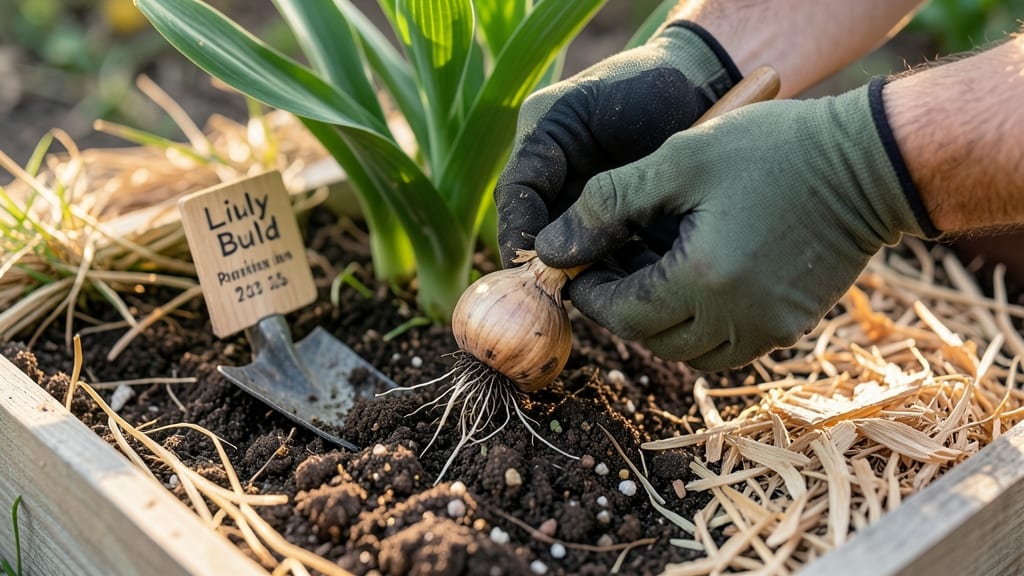
To plant lily bulbs in garden at the perfect time means waiting until soil temperatures drop below 60°F—typically 4-6 weeks before your first frost—so they establish roots before winter.
Timing your lily bulb planting wrong can mean waiting years for those stunning blooms—or worse, losing them to frost. I’ve watched 🌸 lilies wither after being planted too early in warm soil, only to rot before spring.
The key is getting the bulbs in the ground when the weather cooperates, not when you’re ready.
For most gardeners in USDA Zone 6a (like where I live), that window is September through November, but zones farther north or south shift those dates.
Too early, and the bulbs may sprout and get fried by a late heatwave. Too late, and they won’t root deeply enough to survive winter’s chill.
In this guide, I’ll break down the exact frost-free timing for your zone, soil prep tricks to give your lilies a head start, and how to adjust for clay-heavy or sandy soils.
By the end, you’ll know exactly when to dig—and why fall is the only season that works for reliable blooms.
Best planting months for lily bulbs by USDA hardiness zones
Lily bulbs thrive when planted in fall, giving them time to root before winter dormancy—but the exact timing varies wildly across the U.S. In USDA Zone 3, where I’ve seen snow by October, bulbs need to be in the ground by mid-September.
Meanwhile, in Zone 10, where frost is rare, late November is still safe. The golden rule? Plant when soil temperatures drop below 60°F and 4-6 weeks before your first hard frost.
Why fall? Lilies need 6-8 weeks of root growth before winter sets in. Planting too early (like in August in warm zones) risks premature sprouting, while planting too late (like December in cold zones) leaves bulbs vulnerable to frost damage.
I’ve learned this the hard way—my 🌸 Easter lilies once rotted because I ignored the zone-specific window.
Below is your zone-by-zone planting guide, including adjustments for early vs. late frosts. Use this as your planting calendar to avoid common mistakes like overwatering or planting at the wrong depth. Each zone’s window is calculated to ensure bulbs establish roots before the ground freezes.
| USDA Zone | Ideal Planting Window | Soil Temp Goal (°F) | Key Adjustment |
|---|---|---|---|
| Zones 3-4 | Mid-September to early October | Below 60°F | Plant early—soil freezes by November |
| Zones 5-6 | Late September to October | Below 60°F | Avoid late October—risk of early frost |
| Zones 7-8 | October to early November | Below 65°F | Extend to November in mild microclimates |
| Zones 9-10 | November to December | Below 70°F | Plant after summer rains end |
For gardeners in Zones 3-4, where winters are harsh, I recommend planting by mid-September to ensure bulbs root before the ground freezes. In my Zone 6a garden, I’ve found that late September to early October works best—any later, and the bulbs struggle to establish before frost.
Use a soil thermometer to confirm temperatures are below 60°F before planting.
In Zones 7-8, where frosts are lighter, you have more flexibility. Planting in October or early November gives bulbs enough time to root, even if mild winters follow.
I’ve seen 🌸 Stargazer lilies bloom beautifully when planted in late October, thanks to their resilience. However, avoid planting after November 15th—the risk of frost damage increases.
Southern gardeners in Zones 9-10 can plant as late as December, but aim for November to avoid summer heat stress. In my friend’s Zone 9b garden, she plants in November after the monsoon rains subside, ensuring bulbs get moisture without rotting.
The key is to plant when soil temperatures drop below 70°F.
Pro tip: Adjust for microclimates. A sheltered spot in Zone 5 might stay warm enough for late October planting, while a windy area may need bulbs in by September 15th. Always check your local frost dates and add 4-6 weeks to your planting window.
One mistake
How to time lily bulb planting for maximum bloom success
Perfect timing for lily bulb planting means balancing soil temperatures and moon phases—two factors most gardeners overlook. I’ve learned the hard way that planting too early in warm soil triggers premature sprouting, while waiting too late risks shallow roots that freeze.
The sweet spot? 4-6 weeks before your first frost, when soil temps drop below 60°F consistently.
But here’s the twist: your local soil type matters just as much as the calendar. Clay soils hold moisture longer, delaying ideal planting by 1-2 weeks, while sandy soils dry out faster, requiring earlier action.
And yes, the moon’s phase can influence root growth—planting during a waxing moon (when roots grow toward the moon) gives your lilies a head start.
For clay-heavy soils, I recommend waiting until soil temps hit 55°F to avoid waterlogged conditions that can rot bulbs. Test your soil by pushing a finger 6 inches deep—if it’s still warm, hold off.
In sandy soils, plant as soon as temps drop to 60°F, since these soils dry out quickly and may not hold moisture long enough for roots to establish.
Moon phases might sound like old gardener’s folklore, but science backs it up: plants grow toward the moon’s gravity. For lily bulbs, aim to plant during the waxing moon (the week after a new moon) to boost root growth.
Use a moon phase calendar for your planting month—it’s a small detail that can mean the difference between weak stems and vibrant blooms.
One mistake I see often is ignoring local microclimates. If your garden sits in a frost pocket or near a heat-retaining wall, adjust your timing by 1-2 weeks.
For example, I planted lilies in my sunniest spot two weeks earlier than my shadier patch—the sun-warmed soil there cooled faster, giving those bulbs a better start.
Finally, don’t skip the mulch layer. After planting, cover the area with 2-3 inches of straw or shredded leaves to protect bulbs from temperature swings and retain moisture. This simple step can mean the difference between bulbs that survive the winter and those that rot or dry out.
Water deeply once after planting, then let nature take its course—your lilies will thank you next spring with bold, healthy blooms.