
Plants
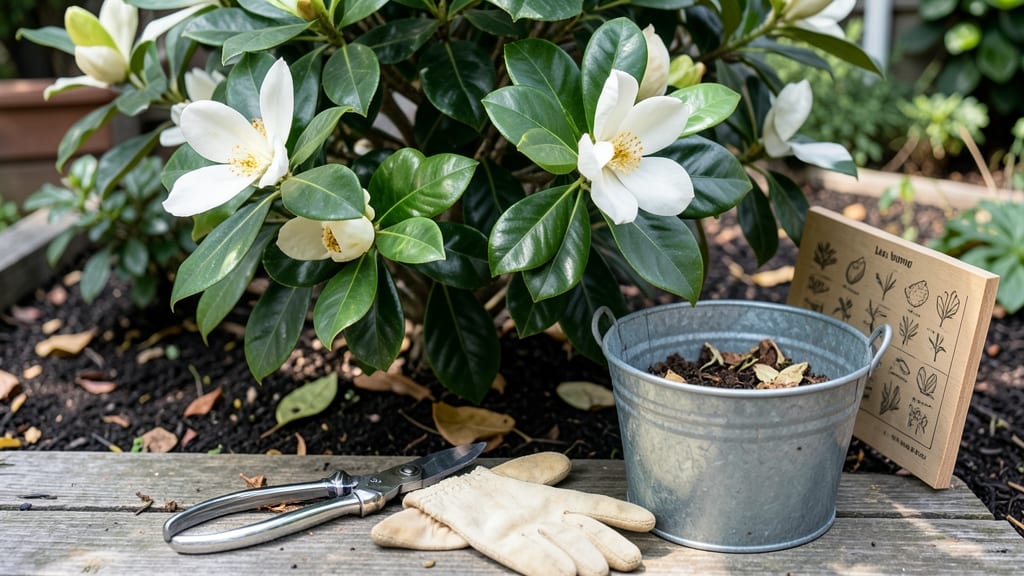
To prune gardenia plants at the right time means your fragrant blooms will return year after year 🌸 — and missing the window can leave you with sparse flowers or leggy growth.
Struggling to get your gardenia plants to bloom with their signature intoxicating fragrance? The secret might be hiding in your pruning schedule—timing everything wrong can mean fewer flowers and weaker growth.
In USDA Zone 6, the best time to prune gardenias is just after they finish blooming in late spring or early summer. This gives the plant time to recover before winter sets in, ensuring it has energy stored for next year’s flowers.
Below, I’ll break down the exact timing for your region, the tools you’ll need, and how to avoid common mistakes that can stress your gardenia and cut back on those coveted blooms.
Best pruning seasons for gardenia plants: spring vs fall timing
Pruning your gardenia plants at the right time can transform your shrub from a sparse bloomer into a fragrant, lush beauty. The best pruning seasons for gardenias revolve around two key windows: late winter/early spring and fall.
Each season offers unique benefits, but timing mistakes can lead to fewer blooms or stressed plants. Let's break down why spring pruning is critical for new growth and how fall pruning prepares gardenias for dormancy.
I've learned through years of gardening that spring pruning (typically February to March in most regions) is when gardenias wake up from dormancy and prepare for their growing season. This is the perfect time to remove dead or damaged branches and shape your plant for the year.
The key is to prune just as new growth begins—cutting too early can leave your plant vulnerable to cold snaps, while waiting too long may reduce flowering potential.
For gardeners in temperate climates (like USDA Zones 7-9), late winter pruning aligns with the plant's natural cycle. In tropical zones (Zones 10-11), you can prune slightly earlier, around January to February, when the risk of frost is minimal.
The goal is always the same: encourage healthy new growth before the main blooming season begins.
Now, let's address the comparison-table you requested to visualize the key differences between spring and fall pruning:
| Pruning Season | Best Time | Primary Purpose | Climate Considerations | Post-Pruning Care |
|---|---|---|---|---|
| Spring | Late February-March | Remove dead wood, shape plant, encourage new growth | Temperate: After last frost Tropical: January-February |
Fertilize with acidic feed, increase watering |
| Fall | October-November | Light pruning for airflow, remove weak growth | Temperate: Before first frost Tropical: Minimal pruning |
Reduce watering, apply mulch, no fertilizer |
Fall pruning serves a different purpose—it's about preparing your gardenia for winter dormancy. In USDA Zones 6-9, I recommend a light pruning session in October or November, just before the first frost.
This isn't about heavy shaping but rather removing any weak or crossing branches that could harbor pests or diseases over winter. In tropical climates, fall pruning is minimal since gardenias rarely experience dormancy.
One common mistake I see is pruning gardenias in summer, which can stress the plant and reduce next year's blooms. Summer is when gardenias focus their energy on flowering and fruit production, not new growth.
If you must prune during this season, limit it to removing spent blooms (deadheading) to encourage more flowers, but avoid heavy pruning.
For gardeners in cooler climates (Zones 6-7), timing is especially critical. Prune too early in spring, and your gardenia might get damaged by late frosts. Wait too long, and you'll miss the optimal window for new growth.
I always check my local frost dates and aim to prune about 2-3 weeks after the last expected frost. This gives the plant enough time to heal before summer heat arrives.
Another pro tip: always use sterilized pruning shears to prevent disease transmission. Gardenias are prone to fungal issues, so clean your tools with rubbing alcohol before and after each cut.
After pruning, apply a layer of mulch around the base to retain moisture and regulate soil temperature—this is especially important in hot climates where water loss is rapid.
If you're unsure about the best time to prune in your specific region, observe your gardenia's growth patterns. Healthy new growth in spring is your cue that it's time to prune. In fall, look for leaves turning yellow or brown—they're signaling it's time to prepare for dormancy.
With the right timing and care, your gardenia will reward you with abundant, fragrant blooms all season long.
Remember, every gardenia is unique—some varieties bloom more heavily in spring, while others shine in summer or fall. Adjust your pruning schedule to match your plant's natural blooming cycle. Happy pruning! 🌸
Step-by-step pruning guide: how to prune gardenias for maximum blooms
Pruning your gardenia plants at the right time and with the right technique can transform your shrub from a sparse bloomer to a fragrant, flower-filled beauty.
The key is understanding when to prune gardenia plants—after their spring flowering—and which branches to trim to encourage healthy new growth and abundant blooms.
Gardenias thrive when pruned to improve airflow and sunlight exposure, but timing matters. Prune too early, and you risk cutting off next season’s flower buds. Prune too late, and your plant may struggle to recover before winter.
Let’s break down the exact steps to prune like a pro and keep your gardenias blooming year after year.
When to Prune Gardenia Plants for Best Results
- 1 Wait until after flowering. Prune gardenias 4-6 weeks after their spring blooms fade (typically late May to early June in most climates). This ensures next year’s flower buds have formed.
- 2 Choose the right season. In temperate zones, prune in early spring (March) or late summer (August) to avoid frost damage. In tropical climates, prune during the dry season for faster healing.
- 3 Avoid pruning in fall. Fall pruning can stimulate new growth that won’t harden off before winter, leading to frost damage. Save pruning for spring or summer only.
- 4 Plan for regional adjustments. In southern climates (Zones 8-11), prune in late summer (July-August) to avoid heat stress. In northern zones (6-7), prune in early spring (April) before new growth starts.
Now that you know when to prune gardenia plants, let’s tackle the how. Start by gathering your tools: sharp bypass pruners, sterilized rubbing alcohol, and gloves (gardenia leaves can irritate skin).
Always sterilize your tools with 70% isopropyl alcohol before and after pruning to prevent disease spread like powdery mildew.
Focus on removing dead, diseased, or crossing branches first. These compete for nutrients and block sunlight and airflow. Next, thin out overcrowded growth by cutting back up to one-third of the plant’s height if needed.
Make cuts just above a leaf node or outward-facing bud to encourage new growth in the right direction.
Shape your gardenia into an open, rounded form to maximize airflow, which reduces humidity-related issues like fungal diseases. Avoid shearing or topping the plant, as this can lead to a dense, leggy growth with fewer blooms.
After pruning, apply a light layer of mulch around the base to retain moisture and protect roots.
With your gardenia properly pruned, it’s time to reward it with post-pruning care. Water deeply to help the plant recover, and avoid fertilizing for 4-6 weeks to let cuts heal. Resume acidic fertilizer (like a 10-10-10 blend) in early spring to fuel next year’s blooms.