
Tools
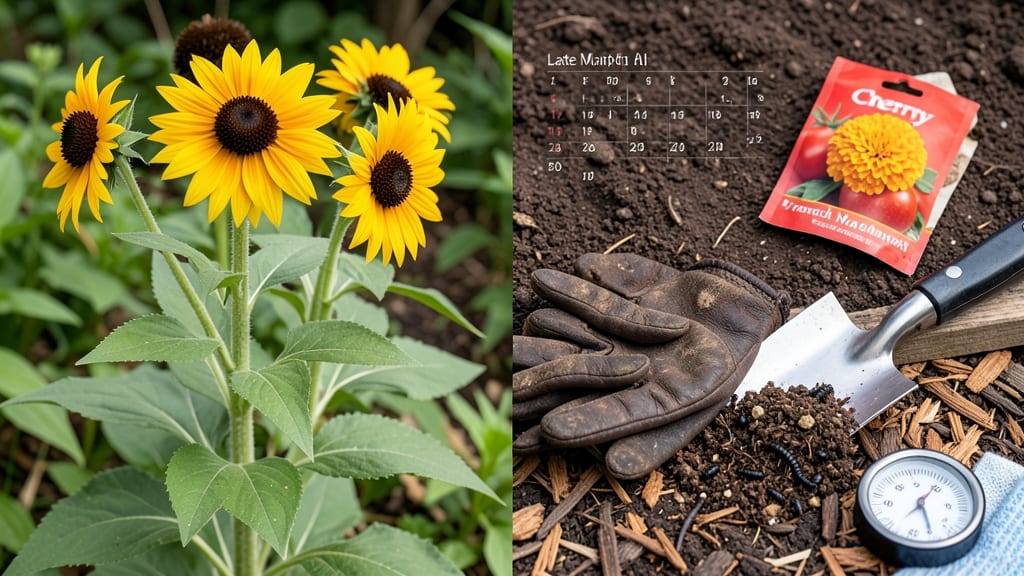
Starting a garden in Ohio means timing your first seeds and transplants to the last frost dates—usually mid-April in Zone 6a and early April in Zone 6b.
Ohio’s unpredictable spring weather can make or break your garden—planting too early risks frost damage, while waiting too long shortens your growing season. Timing is everything, and Ohio’s diverse hardiness zones (5-7) demand precision to maximize yields and avoid common gardening mistakes.
Whether you’re sowing cool-season crops like spinach or waiting for warm-season favorites like tomatoes, knowing when to start indoors and when to transplant outdoors is the key to a bountiful harvest. This guide breaks down the frost-free timeline by zone, so you can plan with confidence.
From soil prep to succession planting, you’ll learn how to stretch Ohio’s short growing season and protect your plants from late frosts. Let’s get your 🌱 garden off to the right start!
Ohio’s frost-free timeline by hardiness Zone (5-7): when to plant cool vs warm-season crops
Ohio’s three USDA hardiness zones (5-7) create distinct planting windows that can make or break your garden’s success.
In Zone 5 (north), like Toledo and Youngstown, the last frost typically arrives by May 15, while Zone 7 (south), including Cincinnati and Lexington, sees frost-free conditions as early as April 1.
Understanding these timelines helps you avoid frost damage to tomatoes, peppers, and cucumbers while maximizing yields from spinach, peas, and lettuce.
For cool-season crops, I recommend starting seeds indoors by late February to early March in Zone 5, and by mid-February in Zones 6-7. These crops—like kale, broccoli, and radishes—can handle light frosts and even thrive in cooler temperatures.
Meanwhile, warm-season crops such as tomatoes and peppers need to wait until the soil warms to at least 50°F (10°C), usually 2-4 weeks after the last frost.
Here’s a quick reference for Ohio’s average frost-free dates by city to help you plan:
| City | Zone | Last Frost (Avg.) | First Planting (Cool-Season) | Last Frost (Avg.) | Plant Warm-Season After |
|---|---|---|---|---|---|
| Cleveland | 5b | May 10 | Late March (indoors) | October 20 | May 25 |
| Columbus | 6a | April 25 | Early March (indoors) | October 10 | May 10 |
| Cincinnati | 6b | April 15 | Mid-February (indoors) | October 15 | April 30 |
| Toledo | 5b | May 5 | Late March (indoors) | October 15 | May 20 |
| Lexington | 7a | April 1 | Early February (indoors) | October 25 | April 15 |
In Zone 5, where frosts linger longer, I always recommend using row covers or cold frames to extend the season for warm-season crops. For example, you can plant tomato seedlings outdoors in early May, but be ready to cover them if temperatures dip below 40°F (4°C).
In Zones 6-7, where the growing season is longer, you have more flexibility to plant peppers and eggplants directly into the soil by mid-April.
For cool-season crops, direct sowing can begin as early as late March in Zone 7 and early April in Zone 5.
Fast-growing varieties like radishes and lettuce are perfect for early plantings, while slower growers like broccoli and cabbage should be started indoors 6-8 weeks before the last frost. I’ve found that spinach and peas thrive when planted in early spring or fall, as they prefer cooler temperatures.
One of my biggest mistakes early on was planting tomatoes too soon in Zone 5, only to lose them to a late frost. Now, I wait until after Memorial Day to be safe.
Similarly, in Zone 7, I’ve learned to start cucumbers and squash by mid-April to give them enough time to mature before the first frost in late October. Paying attention to soil temperature—not just air temperature—is key, as cool soil can stunt root growth.
If you’re in Zone 6 or 7, you can even squeeze in a fall garden! Plant cool-season crops like kale and carrots in early August for a harvest before winter. Just be sure to choose fast-maturing varieties and protect them with row covers if frost threatens early.
In Zone 5, I recommend starting fall plantings by mid-July to ensure they mature before the first frost.
For warm-season crops, always check the 7-day forecast before planting outdoors. A sudden drop in temperatures can devastate young seedlings. I’ve had great success using black plastic mulch to
How to adjust planting dates for Ohio’s unpredictable weather (5 pro tips for success)
Ohio’s unpredictable spring weather can throw off even the most experienced gardeners. One year, you might plant peas in early April only to see them nipped by frost, while the next year, warm temperatures arrive weeks early.
The key to success lies in flexibility—adjusting your planting dates based on soil temperature, frost forecasts, and season-extending tools.
Instead of relying solely on average frost dates, I recommend using a mix of weather alerts, soil thermometers, and protective measures like row covers. These strategies help you extend the growing season by 2-4 weeks, giving you more time to harvest before the first frost.
Let’s dive into my top 5 pro tips to keep your Ohio garden thriving despite Mother Nature’s whims.
- 🌱 Start seeds indoors 6-8 weeks before the last frost (typically mid-March for Zone 6b, early April for Zone 6a). Use a grow light to prevent leggy seedlings.
- 🌡️ Wait until soil reaches 50°F (10°C) for warm-season crops like tomatoes and peppers. A soil thermometer is your best friend!
- 🛡️ Use row covers or cold frames to plant cool-season crops (spinach, kale) 2-3 weeks earlier than the frost-free date.
- 🌱 Practice succession planting: Sow fast-growing crops (radishes, lettuce) every 2 weeks for continuous harvests.
- ⏰ Check the 10-day forecast before planting heat-lovers like cucumbers. Delay if night temps drop below 55°F (13°C).
For cool-season crops like peas, lettuce, and spinach, I always plant them as soon as the soil is workable—even if there’s a slight frost risk. These hardy plants can tolerate light frosts down to 20°F (-7°C), making them perfect for early spring.
Just cover them with a lightweight row cover for extra protection.
Warm-season crops like tomatoes, peppers, and basil, on the other hand, need consistent warmth. I wait until the soil temperature hits at least 60°F (15°C) and monitor the 10-day forecast for any late frosts.
If you’re eager to plant, use black plastic mulch to warm the soil faster—it can add 2-3°F to the soil temperature.
One of my favorite tricks is succession planting. Instead of sowing all your seeds at once, I stagger plantings every 2 weeks. This ensures a steady supply of fresh produce and maximizes your garden’s potential.
For example, I plant radishes every 10 days in early spring—they’re ready in just 30 days, giving me multiple harvests before the heat sets in.
Don’t forget to track your local frost dates using resources like the Old Farmer’s Almanac or your state’s agricultural extension office. Ohio’s microclimates mean frost dates can vary by 1-2 weeks even within the same zone.
By combining these tools with a little patience, you’ll turn Ohio’s unpredictable weather into an advantage for your garden. Happy planting! 🌿