Vegetables
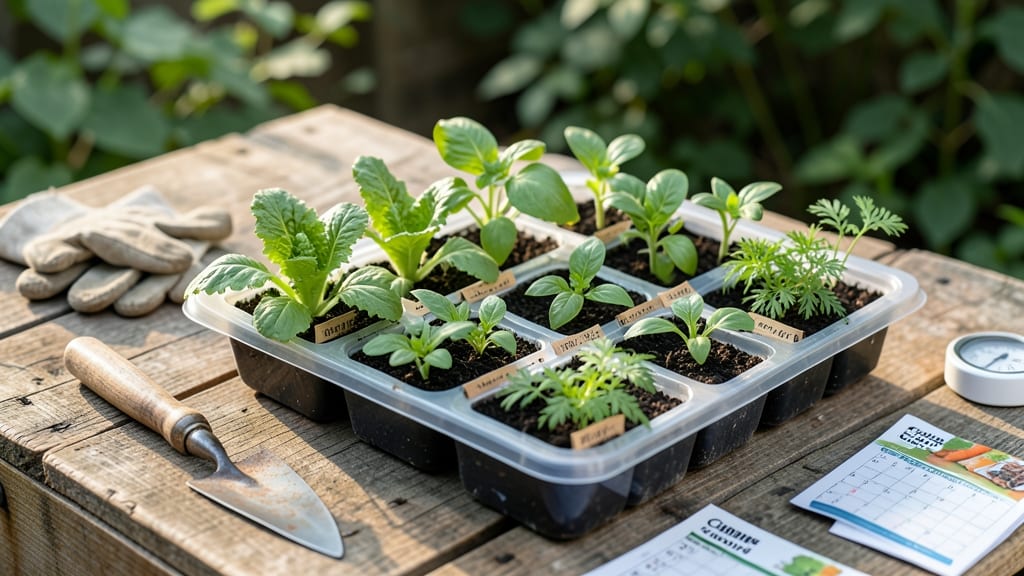
To start gardening vegetables at the right time means checking soil temperature—not just the calendar—because cool roots and warm soil are the secret to zero-failure planting.
Timing your vegetable planting wrong can mean wasted seeds, stunted growth, or even total crop failure—but mastering soil temperature tricks ensures your garden thrives from day one.
Most gardeners glance at frost dates and guess, but the real magic happens when the earth warms up to the right degree for each crop. A soil thermometer costs less than a coffee a week and saves you from replanting.
In this guide, I’ll break down the exact soil temps for cool-season 🌱 greens (like spinach) versus heat-loving tomatoes, plus how to adjust for your local climate—no more guessing games.
Optimal soil temperatures for planting vegetables by type
Getting your vegetable planting timing right isn't just about checking the calendar—it's all about soil temperature. Cool-season crops like spinach and peas thrive when soil is chilly, while tomatoes and peppers need warmth to germinate.
Even tropical plants like okra have specific needs that vary by region. Understanding these temperature thresholds can mean the difference between a bountiful harvest and wasted seeds.
Soil temperature matters more than air temperature because seeds need consistent warmth to activate enzymes that trigger germination. A soil thermometer is your best tool for accuracy, but even without one, you can learn to read your garden's cues.
For example, in USDA Zone 5, you might plant cool-season crops in early spring when soil reaches 40-50°F, while in Zone 10, warm-season crops like sweet potatoes can go in as early as February when soil hits 65°F.
Here's a quick guide to help you match your plants with the right soil temperatures:
For cool-season crops, the key is planting early when soil is still cool but warming. In Zone 3, this might mean sowing peas in late April, while in Zone 8, you could start spinach as early as February.
These plants actually bolt (go to seed prematurely) if soil gets too warm, so timing is critical. I've had my lettuce turn bitter and flower too soon because I waited until May—don't make that mistake!
When it comes to warm-season crops, patience pays off. Tomatoes and peppers won't germinate until soil hits 60°F, and even then, they grow sluggishly below 70°F.
In Zone 5, I wait until early June to plant my tomato seeds outdoors, while in Zone 10, gardeners can start as early as March. The secret is to use black plastic mulch to warm the soil faster if you're eager to get planting.
Tropical plants like okra and sweet potatoes are the divas of the garden—they demand consistent warmth. In Zone 7, I don't even attempt to plant these until late May, and I always use row covers to extend the season.
These plants won't tolerate frost or even light chills, so if you're in a cooler zone, consider starting them indoors or using containers you can move to a greenhouse when nights get cool.
One trick I've learned is to use microclimates to your advantage. A south-facing bed warms up faster than a north-facing one, so I always plant my warm-season crops there first. Similarly, raised beds heat up more quickly than in-ground soil, making them perfect for early planting.
If you're in Zone 4 and want to grow tomatoes, try planting in a raised bed with black plastic mulch—you might get a head start on your neighbors!
Don't forget that soil temperature affects more than just germination. Warm soil encourages faster growth, while cool soil can stunt development. For example, cucumbers grow best in soil between 70-85°F, but if it gets too hot, they'll produce bitter fruit.
I once had my zucchini turn spongy because the soil was over 90°F—a problem easily avoided by providing afternoon shade or using shade cloth.
To check your soil temperature without a fancy thermometer, try the finger test: stick your hand in the soil for 10 seconds. If it feels cool but not cold, it's probably in the 50-60°F range, perfect for root crops.
For warm-season plants, you want it to feel warm like a summer day—if your finger can't stay in comfortably, it's not ready yet. This simple trick has saved me from planting too early more times than I can count!
Remember, these guidelines are just starting points. Your local microclimate, soil type, and even color (dark soil warms faster than light) can shift ideal planting times by weeks
How to test and adjust soil temperature for faster germination
Testing soil temperature is the secret weapon for gardeners who want faster germination and healthier seedlings. Unlike air temperature—which can be misleading—soil temp tells you exactly when your 🌱 seeds will sprout. For example, tomatoes need soil at 70°F, while peas thrive in cooler 40-50°F soil.
You don’t need expensive tools to check soil temperature. A simple soil thermometer (available for under $10) gives instant readings, or you can DIY with a thermometer probe wrapped in aluminum foil for accuracy. The key is testing in the morning when temps are stable—this avoids misleading afternoon spikes.
Cold soil slows germination, but you can warm it up fast with black plastic mulch. Lay it over the bed 1-2 weeks before planting to raise temps by 10-15°F. For hot climates, shade cloth (30-50%) keeps soil cooler for heat-sensitive crops like lettuce.
Here’s my pro tip: If your soil is too cold for your crop, try starter pots indoors under grow lights until temps rise. This works especially well for warm-season veggies like peppers and eggplants in northern zones.
⚠️ callout-warningMany gardeners plant based on last frost dates, but soil temperature is the real factor. For example, in Zone 5, your last frost might be April 15, but soil may still be 45°F—too cold for tomatoes (70°F needed). Test soil first!
Action Step: Use a soil thermometer for 3 consecutive days before planting. If temps fluctuate, wait for stability.
Adjusting soil temperature isn’t just about speed—it’s about survival. Seeds planted in soil that’s 10°F too cold may rot before sprouting. Conversely, hot soil can bolt lettuce or stunt root growth in delicate herbs. Always match your crop’s needs to real-time soil conditions.
For fastest results, combine soil warming (black plastic) with seedling protection (row covers). This combo jumpstarts growth by 2-3 weeks in cool climates. Just remember: Remove mulch once seeds sprout to prevent overheating.
Now you’re ready to plant with confidence! Start by testing your soil today—your future harvest depends on it. 🌱☀️