Watering
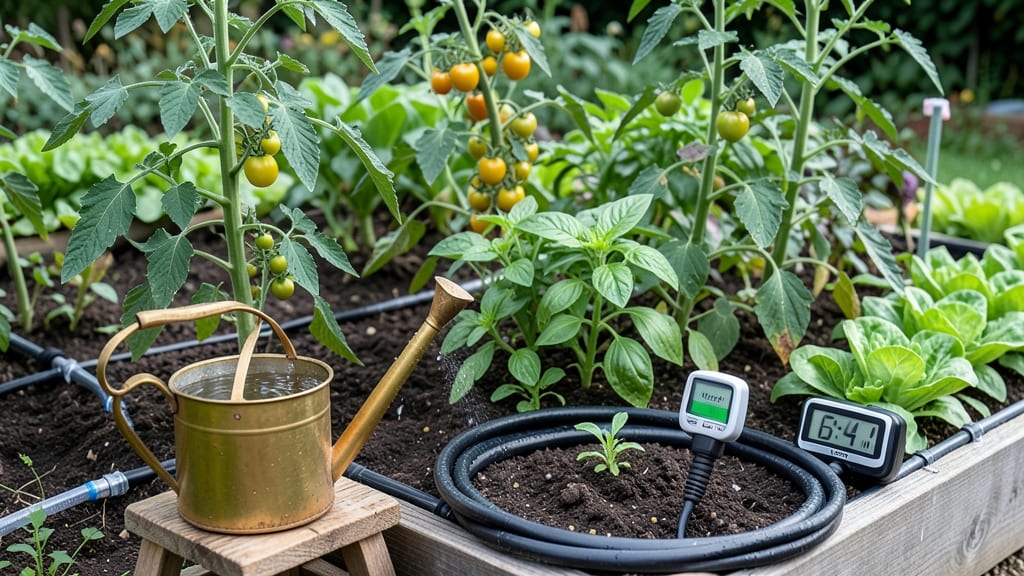
The best time to water your garden is early morning, when the sun hasn’t yet sapped the moisture from the soil and your plants can soak up every drop 🌱.
Watering at the wrong time can waste hundreds of gallons of water yearly—and stunt your plants' growth. But timing it right transforms your garden into a thriving ecosystem where every drop counts. You’ll see stronger roots, fewer fungal issues, and plants that grow faster with less effort.
Morning watering isn’t just about convenience—it’s about science. When you water before 10 AM, you reduce evaporation by up to 30%, keep fungal spores at bay, and give your garden the deep hydration it needs to thrive all day.
Even in Zone 6, this small shift makes a big difference.
In this guide, I’ll break down the exact morning window that works for your garden, how to adjust for drought or rain, and the one mistake that turns watering into wasted effort. Ready to make your garden more efficient and resilient?
The science behind morning watering: why early hours boost plant health
Watering your garden in the morning isn't just a habit—it's a science-backed strategy that maximizes plant health and conserves water. Studies show that morning watering reduces evaporation losses by up to 30% compared to afternoon sessions, ensuring roots get the hydration they need.
The cooler temperatures and lower wind speeds in early hours also mean less water waste, making your garden more efficient and sustainable.
One of the biggest advantages of morning watering is its role in preventing fungal diseases. Wet foliage left overnight creates the perfect conditions for pathogens like powdery mildew and black spot to thrive.
By watering in the morning, you allow leaves to dry quickly during the day, reducing disease risk. This is especially critical for leafy greens and tomatoes, which are prone to fungal infections when kept damp for extended periods.
Morning watering also aligns perfectly with a plant's natural transpiration cycle. During the day, plants absorb water through their roots and release moisture through their leaves—a process called transpiration. Starting the day with hydration ensures that plants have the moisture they need to photosynthesize efficiently and grow stronger.
This is particularly important for young seedlings and transplanted plants, which are more vulnerable to stress.
Let’s break down the key benefits of morning watering in a clear, actionable format to help you optimize your garden routine.
| Benefit | Why It Matters | Best Time |
|---|---|---|
| Reduced Evaporation | Cooler morning air minimizes water loss, ensuring roots absorb more moisture. | Before 10 AM |
| Fungal Disease Prevention | Leaves dry quickly, reducing humidity that fuels pathogens like powdery mildew. | Early morning (6-9 AM) |
| Maximized Root Absorption | Soil is cooler, allowing roots to absorb water more efficiently before the heat of the day. | 6-8 AM |
| Consistent Moisture for Growth | Plants have steady hydration for photosynthesis and nutrient uptake throughout the day. | Before sunrise or early morning |
| Water Conservation | Less water is wasted to evaporation, making your garden more sustainable. | Morning hours (before 10 AM) |
For container gardens, morning watering is even more critical because potted plants dry out faster. I recommend watering containers before 8 AM to ensure the soil stays moist for the entire day.
This is especially important for herbs like basil and vegetables like peppers, which need consistent moisture to thrive. A quick check of the soil’s moisture level with your finger can help you determine if additional watering is needed.
Another key advantage of morning watering is its impact on weed control. By keeping your garden hydrated, you encourage your desired plants to grow vigorously, outcompeting weeds for resources.
Weeds thrive in dry, stressed soil, so consistent morning watering helps maintain a lush, competitive environment that naturally suppresses weed growth. This reduces the need for manual weeding and herbicides, making your garden more eco-friendly.
If you’re in a hot, dry climate, morning watering becomes even more essential. In regions like the Southwest U.S., temperatures can soar by mid-morning, causing water to evaporate rapidly. By watering early, you ensure that your plants receive the hydration they need before the heat sets in.
For example, desert-adapted plants like succulents and cacti benefit from morning watering because it mimics their natural rainfall patterns in arid environments.
To make the most of morning watering, invest in a drip irrigation system or soaker hoses. These tools deliver water directly to the soil, minimizing waste and ensuring even distribution.
I’ve found that drip irrigation can reduce water usage by up to 50% compared to traditional sprinklers, making it a game-changer for water conservation. Plus, it’s low-maintenance and works perfectly with a morning watering schedule.
For new gardeners, starting with a morning watering routine can feel like a small change, but the long-term benefits are immense. Your plants will grow stronger, healthier, and more resilient, and you’ll save water and reduce the risk of diseases.
Think of it as a daily investment in your garden’s future—one that pays off in lush foliage, abundant blooms, and bountiful harvests.
So, set your alarm for 6 AM and grab your watering can or hose. Your garden—and the planet—will thank you for it. 🌱
Morning vs. evening watering: a side-by-side comparison of efficiency and risks
Deciding between morning watering and evening watering can make or break your garden’s health. The right schedule saves water, time, and plant stress while the wrong one invites fungal diseases and wasted resources.
Let’s break down the key differences so you can choose what works best for your Zone 6 garden.
Morning watering—ideally between 6 AM and 10 AM—lets plants absorb moisture before the heat of the day. This method reduces evaporation by up to 30% and keeps foliage dry, cutting down on fungal risks.
Evening watering, on the other hand, can leave plants damp overnight, creating the perfect conditions for powdery mildew and other diseases.
Evening watering might seem convenient, but it’s a common mistake that leads to wasted water. When you water at night, moisture evaporates quickly, and plants struggle to absorb it efficiently. Plus, the damp soil stays cold longer, slowing root growth and making plants more susceptible to root rot.
Morning Watering
- Reduces evaporation by 30%
- Prevents fungal diseases by keeping foliage dry
- Encourages deep root growth as plants absorb water early
- Saves water by minimizing waste
- Requires early wake-up for consistent routine
- Less convenient for those with busy mornings
Evening Watering
- More convenient for evening gardeners
- Cools plants in hot climates
- Increases fungal risks by keeping foliage wet overnight
- Wastes water due to rapid evaporation
- Slows root growth as plants can’t absorb moisture efficiently
For drought-prone areas, morning watering is a game-changer. It ensures your plants get the hydration they need without losing precious water to evaporation. In humid climates, however, evening watering might be slightly less risky for fungal diseases, but it’s still not ideal.
If you’re dealing with container gardens, morning watering is even more critical. Pots dry out faster, and evening water can lead to stagnant water in saucers, promoting root rot. Always water at the base of the plant to avoid wetting leaves, regardless of the time of day.
Pro tip: Use a soaker hose or drip irrigation system in the morning to deliver water directly to the roots. This method maximizes efficiency and minimizes waste, giving your garden the best of both worlds—healthier plants and lower water bills. 💧