Tools
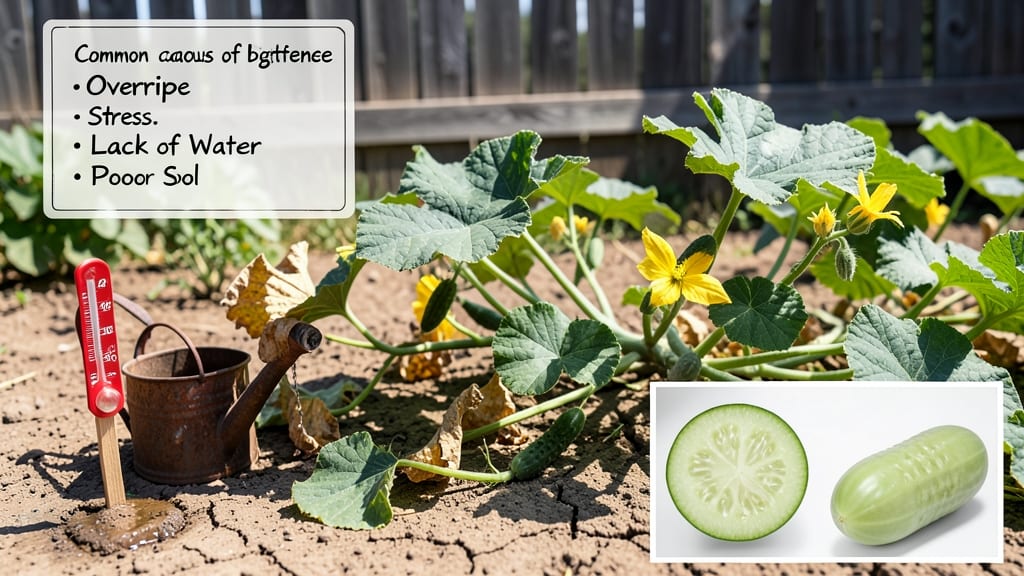
Your garden cucumbers 🥒 taste bitter because they’re overripe, under-pollinated, or stressed by heat or uneven watering — and the fix is simpler than you think.
Picture this: You’ve spent weeks tending to your vines, only to bite into a cucumber that’s more like eating a tiny, seedy lemon. That bitter punch isn’t just annoying—it’s a clear signal your plants are crying out for help.
Most home gardeners miss the sweet spot for harvesting, watering, or even choosing the right variety. But here’s the good news: With three key adjustments, you can turn that sour harvest into crisp, sweet cucumbers by your next pick.
Below, I’ll walk you through the most common causes—plus the fast fixes that work in as little as a week. No more wasted vines or disappointing bites!
3 Common reasons your garden cucumbers taste bitter (and how to stop it)
There's nothing worse than biting into a homegrown cucumber only to find an unpleasant bitter taste ruining your fresh snack. This common issue frustrates even experienced gardeners—but the good news is that bitterness is almost always preventable.
The key lies in understanding the three root causes: over-mature cucumbers, watering issues, and environmental stress. Each of these triggers cucumbers to produce cucurbitacin, a natural chemical that creates that unwanted bitter flavor.
Most gardeners fix this problem without even realizing it—simply by adjusting their harvesting schedule or watering routine. The solutions are straightforward once you know what to look for. Let's break down the science behind each cause and give you actionable steps to reverse bitterness in your next harvest.
- 1 Over-Mature Cucumbers: Cucumbers left on the vine too long develop excessive cucurbitacin. Harvest when 6-8 inches long with deep green skin and a yellow blossom end.
- 2 Inconsistent Watering: Drought stress or overwatering triggers bitterness. Maintain 1-1.5 inches of water weekly and mulch heavily to retain moisture. Avoid wet foliage to prevent fungal diseases.
- 3 Heat Stress: Temperatures above 90°F (32°C) cause cucumbers to produce bitter compounds. Provide shade cloth during peak heat and prune lower leaves for better airflow. Morning harvests reduce stress.
Let's tackle the first issue head-on: over-mature cucumbers. Most gardeners assume bigger cucumbers are better, but that's a common misconception. Cucumbers develop bitterness as they over-ripen on the vine.
The key is to harvest them at the ideal size, which varies by variety but typically falls between 6-8 inches. Look for a deep green color and a firm texture—these are your best indicators of sweetness.
If you've already missed the optimal harvest window, don't panic. You can still salvage your crop by using these over-mature cucumbers in cooked dishes where bitterness is less noticeable. However, for fresh eating, focus on consistent harvesting moving forward.
Set a reminder to check your plants every 2-3 days during peak production to catch cucumbers at their sweetest stage.
Watering plays a crucial role in preventing bitterness, and most gardeners either underwater or overwater their cucumbers without realizing it. Cucumbers need consistent moisture to develop properly, but they hate soggy roots.
Aim for 1-1.5 inches of water per week, delivered directly to the soil rather than the leaves. Use a drip irrigation system or soaker hose to maintain even moisture levels and prevent fungal diseases that can stress your plants.
Another watering mistake is letting cucumbers dry out completely between waterings. When soil moisture drops too low, cucumbers produce bitter compounds as a survival mechanism. To prevent this, mulch heavily around your plants with straw or wood chips.
This helps retain moisture and keeps roots cool, which is especially important during hot summer months. Check soil moisture by sticking your finger 1-2 inches deep—if it feels dry, it's time to water.
Heat stress is the third major culprit behind bitter cucumbers, and it's often overlooked. When temperatures climb above 90°F (32°C), cucumbers go into survival mode, producing cucurbitacin to protect themselves. This is particularly problematic in hot climates or during heatwaves.
To combat this, provide 30-50% shade cloth during the hottest part of the day. You can also prune lower leaves to improve airflow and reduce heat buildup at the plant's base.
For immediate relief, harvest your cucumbers early in the morning when they're coolest and least stressed. This gives you the best chance of enjoying sweet, crisp cucumbers even during heatwaves.
If you're in a particularly hot region, consider growing heat-tolerant varieties like 'Straight Eight' or 'Marketmore', which handle higher temperatures better than standard varieties.
Remember, the goal is to create optimal growing conditions that prevent bitterness from developing in the first place. By focusing on timely harvesting, consistent watering, and heat management, you'll be well on your way to growing cucumbers that are sweet, crisp, and delicious every time.
Start implementing these changes with your current plants, and you'll notice a significant improvement in just a few harvests.
How to harvest cucumbers at the perfect stage to avoid bitterness
Harvesting cucumbers at the right moment is the #1 way to prevent bitterness. Most gardeners wait too long, letting cucumbers develop cucurbitacin—a natural compound that turns them bitter.
The key is to pick them when they’re 6-8 inches long, with deep green skin and a firm texture. This sweet spot ensures maximum flavor and crunch.
Timing matters because cucumbers continue growing even after reaching market size. If left on the vine too long, they’ll develop hard seeds and a woody texture, making them unpalatable.
I’ve found that checking vines every 2-3 days prevents overgrowth and keeps production steady. Use a sharp pair of pruning shears to avoid damaging the plant.
Color is another critical clue. Look for bright, even green cucumbers—not pale or yellowing patches. A yellowish stem end signals ripeness, while a green stem end means they need more time.
Pro tip: Harvest in the morning when cucumbers are cool and crispest. This also reduces stress on the plant during hot afternoons.
| Stage | Size | Color | Stem | Flavor |
|---|---|---|---|---|
| Too Early | Under 6" | Pale green | Green | Watery |
| Perfect | 6-8" | Deep green | Yellowing | Sweet, crisp |
| Overripe | 8"+ | Yellow/brown | Dry, woody | Bitter, seedy |
If you’ve already missed the perfect window and your cucumbers are bitter, don’t panic. First, check if they’re overripe—these can sometimes be peeled and used in pickles or relishes where bitterness is masked.
For future harvests, try parthenocarpic varieties like ‘Corinto’ or ‘Diva’, which produce fruit without pollination and stay sweeter longer. These are ideal for containers or small gardens.
Another trick I swear by is harvesting more frequently. The more you pick, the more your plant will produce. I once had a 10-foot vine yielding 50 cucumbers per week simply by harvesting every 2 days.
This also prevents the plant from becoming overloaded, which can lead to stress and bitterness. Use a harvest basket to avoid bruising the cucumbers during collection.
Remember, the earlier you harvest, the sweeter they’ll be. If you’re unsure, err on the side of picking too soon—you can always leave a few to grow for seeds, but you’ll never get back the flavor once bitterness sets in.
With practice, you’ll develop an eye for the perfect cucumber, and your garden will thank you with a bountiful, delicious harvest every time. 🥒