
Tools
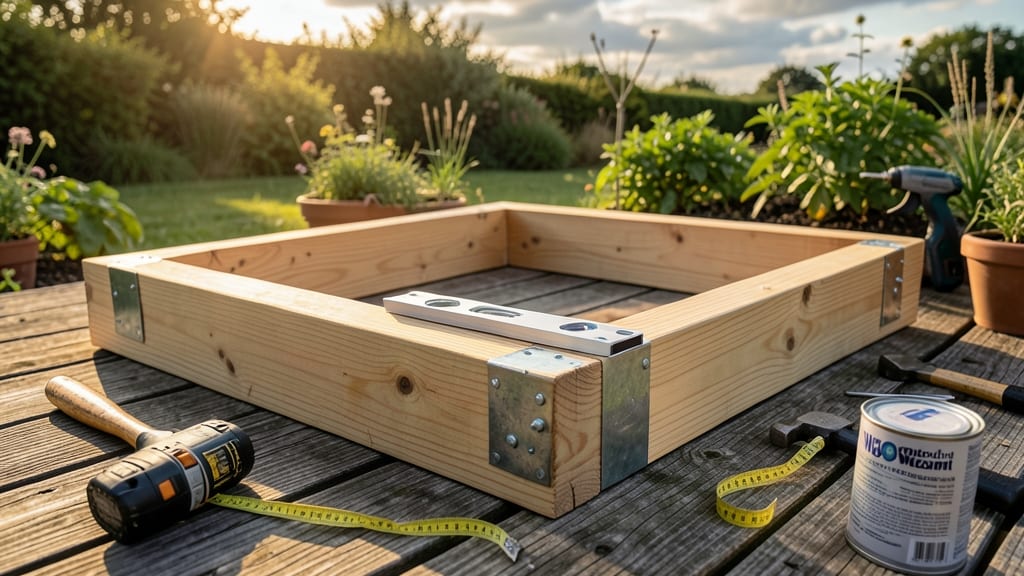
Planning a 2x4 raised garden bed is your ticket to a low-maintenance, high-yield garden that works with your body—not against it.
Picture this: no more bending over tired knees to plant seeds, no more battling weeds at soil level, and a space where you can grow 🌱 General Raised Garden Bed Plants like tomatoes, herbs, and peppers with perfect drainage and zero back pain.
That’s the magic of a well-built 2x4 frame—lightweight, customizable, and built to last for years.
But here’s the catch: even simple plans can go wrong if you skip the right measurements, materials, or assembly tricks. I’ve built (and fixed) enough wobbly beds to know the most common mistakes that turn a weekend project into a headache.
Luckily, I’m about to walk you through the exact cut list, step-by-step assembly, and pro tips to build yours in under 2 hours—without a single trip to the hardware store for "oops" purchases.
By the end, you’ll have a free, foolproof plan for a 4x8-foot bed (plus variations for smaller spaces), plus answers to the burning questions: How much will this cost? How do I keep it from rotting? And where do I put it for maximum sunlight? Let’s get started.
Free 2x4 raised garden bed cut list: materials and dimensions for 4x8-Foot beds
A 4x8-foot 2x4 raised garden bed is the perfect size for growing vegetables, herbs, and flowers while keeping costs low. This classic design uses untreated cedar or pine lumber for durability, and the cut list below ensures you have the exact pieces needed without waste.
Whether you're building one bed or multiple, these measurements will save you time and money at the lumberyard.
Before heading out, measure your space to confirm the 4-foot width fits your layout. Most gardeners choose this width because it’s easy to reach the center without stepping inside. For variations like 3x6-foot or 4x4-foot beds, I’ll include scaled-down measurements at the end of this guide.
Pro tip: Buy pressure-treated lumber if you want extra longevity (8-10 years), but cedar resists rot naturally and lasts 10-15 years with proper sealing. Always check for kiln-dried lumber to avoid warping over time.
For the 4x8-foot bed, you’ll need 14 boards total (8 at 8 feet and 6 at 4 feet). If you’re building two beds, double the quantities. Always ask the lumberyard to cut the 8-foot boards for you—most will do this for free if you buy enough lumber.
Don’t forget corner brackets or screws to secure the frame. I recommend 3-inch deck screws for a sturdy hold, or galvanized corner brackets if you want a cleaner look. For hardware, plan to spend $15-$25 depending on your choice.
One common mistake is cutting the 4-foot boards too short. Always measure twice: the actual inside width of your bed should be 3 feet 10 inches (accounting for the 2x4’s thickness). This ensures your plants have enough space without crowding.
For cost-saving tips
Step-by-step assembly guide: how to build a 2x4 raised garden bed in under 2 hours
Now that you’ve got your 2x4 lumber and hardware ready, let’s assemble your raised bed like a pro. I’ve streamlined this process to save you time and frustration—no more guessing whether your corners are square or if your screws are long enough.
With just a few essential tools and a clear plan, you’ll have a sturdy frame in under 2 hours, ready to fill with soil and plants.
The key to a long-lasting bed is precise assembly. Skipping steps like pre-drilling screws or using corner brackets can lead to warping or wobbly beds later. Trust me, I’ve learned the hard way!
Below, I’ll walk you through each step, including how to reinforce your bed for years of use and add a protective barrier to keep pests out.
🛠️ Step-by-Step Assembly Instructions
-
Step 1: Build the Base Frame
Lay two 8-foot 2x4s parallel to each other, spaced 4 feet apart (for a 4x8 bed). Secure them with 2.5-inch deck screws at each end, pre-drilling holes to prevent splitting. -
Step 2: Add the Side Panels
Attach 4-foot 2x4s vertically at each end of the base, creating a rectangle. Use 3-inch deck screws to secure them flush with the top of the base frame. -
Step 3: Reinforce the Corners
Install galvanized corner brackets at all four corners to add stability. Drive screws through the brackets into the frame—this prevents the wood from twisting over time. -
Step 4: Add the Top Rail
Place another 8-foot 2x4 along the top edge of the frame, screwing it into the vertical sides with 2.5-inch screws. This creates a clean edge for filling with soil. -
Step 5: Install a Bottom Barrier
Lay landscape fabric or hardware cloth inside the frame to block weeds and pests. Staple it to the bottom edges to keep it secure. -
Step 6: Fill with Soil
Add a 2-inch layer of coarse material (like gravel or bark chips) for drainage, then fill the rest with a mix of topsoil and compost (60/40 ratio).
Pro tip: If your bed feels wobbly after assembly, add diagonal braces inside the frame for extra support. I’ve seen beds collapse under heavy soil if they’re not properly reinforced—don’t let that be you!
Once your frame is secure, level it on the ground before filling it with soil to avoid uneven settling.
Now that your 2x4 raised garden bed is ready, it’s time to plant! Remember to water deeply after filling the bed to help the soil settle.
Place your bed in a spot with at least 6 hours of sunlight for optimal growth of your 🌱 General Raised Garden Bed Plants.
With this sturdy frame, you’ll avoid the common pitfalls of warping or rotting, and your garden will thrive for years. Happy planting! 🌿