
Planting
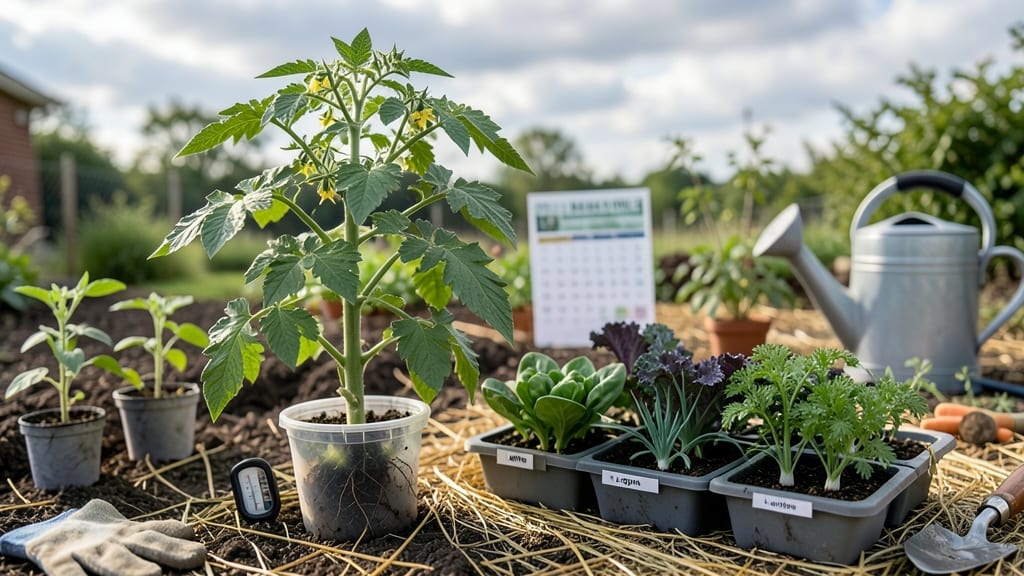
Planting a garden in Missouri means timing your crops to the last frost dates that vary from late March in St. Louis to mid-April in Kansas City.
Missouri gardeners know timing is everything—plant too early and risk frost damage, too late and miss peak harvests. But with the state’s varied climate zones, knowing exactly when to plant each crop can mean the difference between a thriving garden and a failed season.
Cool-season crops like lettuce and spinach can go in the ground as early as February, while warm-season favorites like tomatoes and peppers need to wait until soil temperatures hit 60°F—usually mid-April to May depending on your zone.
Below, I break down the best planting windows for vegetables, flowers, and perennials, plus how to adjust for Missouri’s unpredictable weather—so you can grow a garden that thrives all season long.
Missouri’s frost-free dates by region: when to start planting vegetables
Missouri’s diverse climate means last frost dates can vary by 10–14 days between northern and southern regions. For St. Louis, the average last frost arrives around April 15–20, while Kansas City typically sees its final freeze by April 10–15.
In Springfield, gardeners can expect frost-free conditions by April 5–10, giving it the earliest start in the state. These dates are critical for warm-season crops like tomatoes and peppers, which need consistent warmth to thrive.
Northern Missouri, including areas like Columbia and Sedalia, often experiences later frosts, with May 1–5 being the safer bet for planting heat-loving vegetables.
Meanwhile, cool-season crops like lettuce and spinach can be sown as early as March 1–15 in southern regions, but wait until April 1–15 in northern areas to avoid frost damage. Understanding your local frost dates ensures you time plantings perfectly for maximum yields.
| Region | Avg. Last Frost | Warm-Season Start | Cool-Season End |
|---|---|---|---|
| St. Louis | April 15–20 | April 25–May 1 | October 15–20 |
| Kansas City | April 10–15 | April 20–25 | October 10–15 |
| Springfield | April 5–10 | April 15–20 | October 5–10 |
| Columbia/Sedalia | May 1–5 | May 10–15 | October 20–25 |
| Southeast MO (Poplar Bluff) | March 25–April 5 | April 10–15 | November 1–5 |
For warm-season vegetables, such as tomatoes, peppers, and squash, wait until 2–3 weeks after your region’s last frost date to plant. This ensures soil temperatures are consistently above 55°F, which is critical for seed germination and seedling survival.
In St. Louis, this means holding off until late April, while Springfield gardeners can start by mid-April. Use black plastic mulch to warm soil faster if you’re eager to plant early.
If you’re growing cool-season crops like lettuce, spinach, or kale, time your plantings to finish before summer heat sets in. In northern Missouri, sow seeds by late March for early spring harvests, then succession plant every 2 weeks until mid-June.
In southern Missouri, extend your planting window into early July for fall harvests, aiming to harvest before first frost (typically October–November).
Missouri’s microclimates can create surprises—urban areas like St. Louis may experience 2–3°F warmer soil temperatures than rural zones due to heat islands. If you’re unsure about your exact last frost date, use a frost calendar from your local cooperative extension office or rely on 3-year averages for safer planning.
For example, Kansas City’s last frost has ranged from April 5 to April 20 in recent years, so erring on the later side reduces frost risk.
For transplanting seedlings, like tomato or pepper starts, wait until soil temperatures reach 60°F or higher. Use a soil thermometer to check—planting too early can stunt growth. In southern Missouri, this might mean mid-April, while northern regions may need to wait until late May.
Hardening off seedlings for 7–10 days before transplanting also improves survival rates in Missouri’s variable spring weather.
Don’t overlook fall planting opportunities! Many cool-season crops thrive when planted in late summer for harvest before winter. In St. Louis, sow spinach or radishes by August 15 for a September–October harvest. Use row covers to extend the season if frost threatens early.
Meanwhile, warm-season crops like sweet potatoes can be planted as late as June 15 in southern Missouri, with harvests possible by first frost.
Missouri’s first frost dates also vary—sou
Best planting calendar for Missouri crops: month-by-month guide
Missouri’s diverse climate zones mean your planting schedule should shift based on location—whether you’re in St. Louis (Zone 6b) or Kansas City (Zone 6a). The key is aligning your garden with frost-free dates and crop heat tolerance.
For most of Missouri, the last frost typically arrives between mid-April and early May, while the first frost hits mid-October to early November. Use this timeline to maximize your growing season.
Start by preparing your soil in early spring (March) with compost and mulch. Then, follow this month-by-month guide to plant vegetables, herbs, and flowers at the perfect time. Whether you’re sowing seeds directly or transplanting seedlings, timing ensures healthy growth and bountiful harvests.
Don’t forget succession planting—like lettuce every 2 weeks—to keep your garden productive all season.
- 1. March: Plant cool-season crops like peas, spinach, and onions. Start indoor seedlings for tomatoes, peppers, and basil.
- 2. April: Transplant hardy seedlings (tomatoes, cucumbers) after last frost. Direct-sow radishes, carrots, and lettuce every 2 weeks.
- 3. May: Plant warm-season crops like beans, squash, and corn. Add marigolds and nasturtiums to deter pests.
- 4. June: Succession plant bush beans and zucchini. Start fall crops like kale and broccoli indoors.
- 5. July-August: Plant late-season crops like turnips and radishes. Harvest herbs (basil, cilantro) regularly.
- 6. September: Transplant cool-season seedlings (spinach, lettuce) for fall harvests. Plant garlic and onions for next year.
- 7. October: Direct-sow hardy greens (kale, arugula) before first frost. Cover with row covers to extend season.
For herbs like basil and cilantro, plant in late spring after frost risk passes. These heat-sensitive plants thrive in warm soil and full sun, so avoid early planting.
Similarly, flowers like zinnias and sunflowers can handle direct sowing in May or June, but protect young seedlings from pests with row covers if needed.
Missouri’s fall planting window (September–October) is often underestimated. Many cool-season crops like broccoli, Brussels sprouts, and carrots grow better in fall than spring. Use succession planting to stagger harvests—plant lettuce every 2 weeks from April through September for continuous yields.
This method works especially well for radishes and bush beans, which mature quickly.
Pro tip: Keep a garden journal to track planting dates and weather patterns. Missouri’s climate can vary yearly, so adjust your schedule based on actual frost dates rather than averages. For example, if frost hits early in October, prioritize fast-maturing crops like radishes or spinach for a late harvest.
With this month-by-month guide, you’ll avoid common mistakes like planting tomatoes too early (they need warm soil) or missing the fall planting window for greens. Happy gardening—your future harvests will thank you! 🌱