Tools
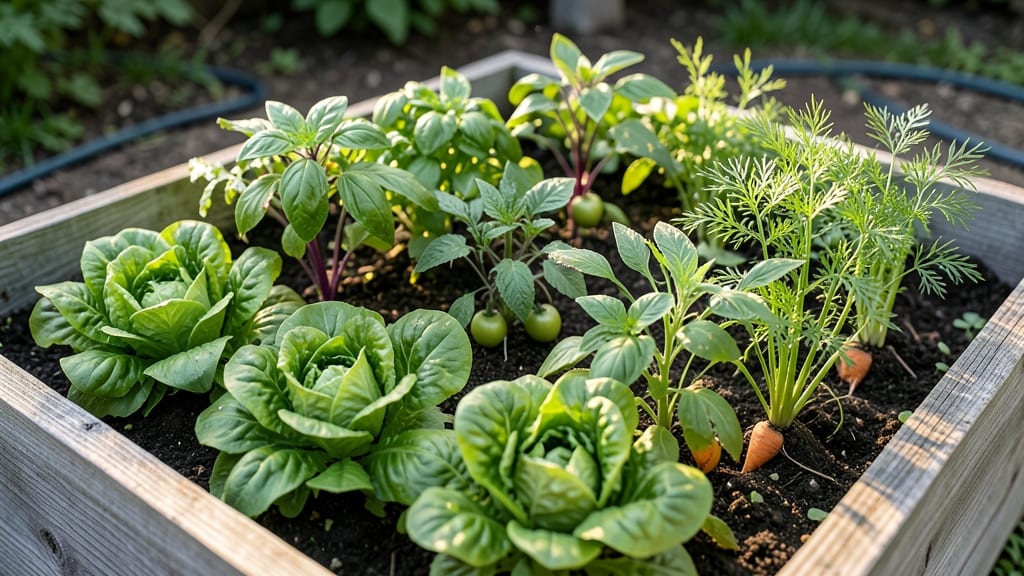
An 8x8 raised garden is the secret weapon for turning a tiny backyard into a high-yield vegetable haven—without breaking your back or your budget.
Picture this: you’re staring at a postage-stamp yard, wondering how to grow enough tomatoes and greens for summer meals. Then you build a 4-foot-tall bed, fill it with nutrient-rich soil, and suddenly, every square inch becomes prime real estate.
No more wasted space, no more bending over—just a productive, knee-friendly garden that delivers.
But here’s the catch: design matters. A poorly planned 8x8 bed can leave you with crowded plants, wasted sunlight, or a harvest that’s all shade and no shade.
The right layout? That’s where the magic happens—think companion planting, smart spacing, and crops that play well together, like basil under tomatoes or carrots next to onions.
In this guide, I’ll walk you through the best layouts, material picks, and maintenance hacks to turn your 8x8 raised garden into a year-round vegetable powerhouse—no green thumb required.
How to design an 8x8 raised garden for maximum productivity
An 8x8 raised garden gives you 64 square feet of growing space—enough to grow a surprising amount of food if you plan carefully. The key lies in vertical growth, companion planting, and crop rotation to maximize every inch.
Unlike in-ground gardens, raised beds let you control soil quality and drainage, which directly impacts yield. With the right layout, you can grow 20-30% more produce in the same space compared to traditional rows.
Before planting, consider your bed height—most experts recommend 10-12 inches deep for root crops like carrots and potatoes, while 6-8 inches works for shallow-rooted plants like lettuce or herbs.
A taller bed (18-24 inches) improves drainage and reduces weed pressure. I’ve found that cedar or redwood (naturally rot-resistant) are ideal materials for longevity and pest resistance.
Now, let’s compare two popular 8x8 raised garden layouts to see which maximizes productivity for your needs. The table below breaks down the pros and cons of a grid layout versus a companion planting layout, including spacing, sunlight optimization, and yield potential.
For soil preparation, start by removing weeds and adding a 2-inch layer of compost to the bottom of your bed. Mix in aged manure or worm castings for nutrients, and top with 1-2 inches of finished compost before planting.
I swear by a 10-10-10 fertilizer blend at planting time, followed by fish emulsion every 4-6 weeks for a nutrient boost.
When designing your layout, prioritize tall plants on the north side of the bed to avoid shading shorter crops. For example, place pole beans or trellised tomatoes along the north edge, with leafy greens like lettuce or spinach on the south side.
This simple trick can increase sunlight exposure for shade-sensitive plants by up to 30%. I’ve also found that interplanting fast growers with slow growers (e.g., radishes with carrots) keeps your bed productive year-round.
Don’t overlook crop rotation—this is non-negotiable for long-term productivity. Group plants by family (e.g., tomatoes, peppers, eggplants) and rotate their locations each year to prevent soil-borne diseases.
For example, if you grow tomatoes in 2024, plant beans or peas (legumes) in 2025 to replenish nitrogen. A 3-year rotation is ideal for an 8x8 bed.
Watering is another critical factor. Use drip irrigation or soaker hoses to deliver water directly to the roots, reducing waste and disease risk. Aim for 1-2 inches of water per week, delivered in the morning to prevent fungal issues.
Mulching with straw or shredded leaves helps retain moisture and suppress weeds—saving you hours of maintenance over the season.
Finally, track your progress with a simple planting journal. Note which crops thrive, which struggle, and how much you harvest. For example, in my 8x8 bed, bush beans and zucchini produced abundantly, while cucumbers needed trellising to avoid sprawling.
Adjust your layout next year based on these observations—this is how you refine your design for maximum productivity.
With these strategies, your 8x8 raised garden can yield hundreds of pounds of food annually—proving that small spaces don’t mean small harvests. Start with a sketch, experiment with layouts, and enjoy the rewards of a well-planned garden! 🌱
Best vegetable layouts for an 8x8 raised garden by season
An 8x8 raised garden gives you a blank canvas to paint with seasonal crops, but the key to success lies in strategic planning. Each season demands different plant combinations to maximize space and yield.
Spring starts with cool-weather crops, summer thrives with heat lovers, and fall extends harvests with cold-hardy greens. By rotating crops and using succession planting, you’ll keep your bed productive year-round.
For spring, focus on leafy greens, root vegetables, and early herbs that tolerate cooler temperatures. As summer arrives, swap in tomatoes, peppers, and cucumbers that crave warmth.
Fall lets you reintroduce greens and plant cool-season crops like kale or spinach. Below, I’ve mapped out high-yield layouts for each season, including spacing and companion pairings.
🌱 Spring Layout (March-May): Start with lettuce (12" apart), radishes (2" apart), carrots (3" apart), and onions (4" apart). Add bush beans (6" apart) in late spring. Use straw mulch to retain moisture and deter weeds.
☀️ Summer Layout (June-August): Replace spring crops with tomatoes (18" apart), peppers (12" apart), cucumbers (12" apart), and basil (10" apart). Train vining plants like cucumbers to trellises to save space. Succession plant heat-tolerant greens like Swiss chard every 2-3 weeks.
🍂 Fall Layout (September-November): Transition to kale (12" apart), spinach (6" apart), turnips (3" apart), and garlic (6" apart). Add overwintering herbs like parsley or cilantro. Use row covers to extend the season for frost-sensitive crops.
| Season | Crops | Spacing | Sun Needs | Notes |
|---|---|---|---|---|
| Spring | Lettuce, Radishes, Carrots, Onions | 12"-2" apart | Full Sun (6+ hrs) | Cool-weather crops; mulch to retain moisture |
| Summer | Tomatoes, Peppers, Cucumbers, Basil | 12"-18" apart | Full Sun (8+ hrs) | Trellis vining plants; succession plant greens |
| Fall | Kale, Spinach, Turnips, Garlic | 6"-12" apart | Full Sun (6+ hrs) | Use row covers; plant garlic in fall for spring harvest |
| Year-Round | Herbs (Parsley, Cilantro), Strawberries | 8"-12" apart | Full Sun to Partial Shade | Perennials; low-maintenance options |
Pro tip: Use companion planting to boost yields. Pair tomatoes with basil to repel pests, or plant carrots with onions to deter carrot flies. Rotate crops yearly to prevent soil depletion and disease buildup. For example, swap tomatoes (heavy feeders) with beans (nitrogen fixers) the following year.
With these layouts, your 8x8 raised garden will deliver a steady harvest from spring through fall—no wasted space or missed opportunities. Start small, experiment with varieties, and adjust based on your local climate. Happy planting! 🌿