Companion Plants
A companion garden layout 🌱 can turn your garden into a self-sustaining fortress against pests—without ever touching a spray bottle.
Struggling with pests in your garden? The right companion garden layout can transform your plot into a thriving, pest-free ecosystem—without harsh chemicals.
Think of it like a neighborhood watch for plants: certain pairings naturally repel pests, improve growth, and even boost flavor. For example, basil near tomatoes doesn’t just deter flies—it makes your sauce taste like a five-star restaurant.
In this guide, I’ll walk you through three proven plant pairings that work together to keep bugs at bay, plus tips to design a layout that fits your space—whether you’ve got a tiny urban plot or a sprawling backyard.
How to design a pest-repelling companion garden layout
A pest-repelling companion garden isn't just about throwing plants together—it's a science-backed strategy to create a self-sustaining ecosystem that deters pests naturally. The key lies in strategic plant placement, where certain plants protect others by masking scents, attracting beneficial insects, or competing with weeds.
I've used this method for years in my own garden, and the results are less spraying, more thriving plants, and a healthier soil over time.
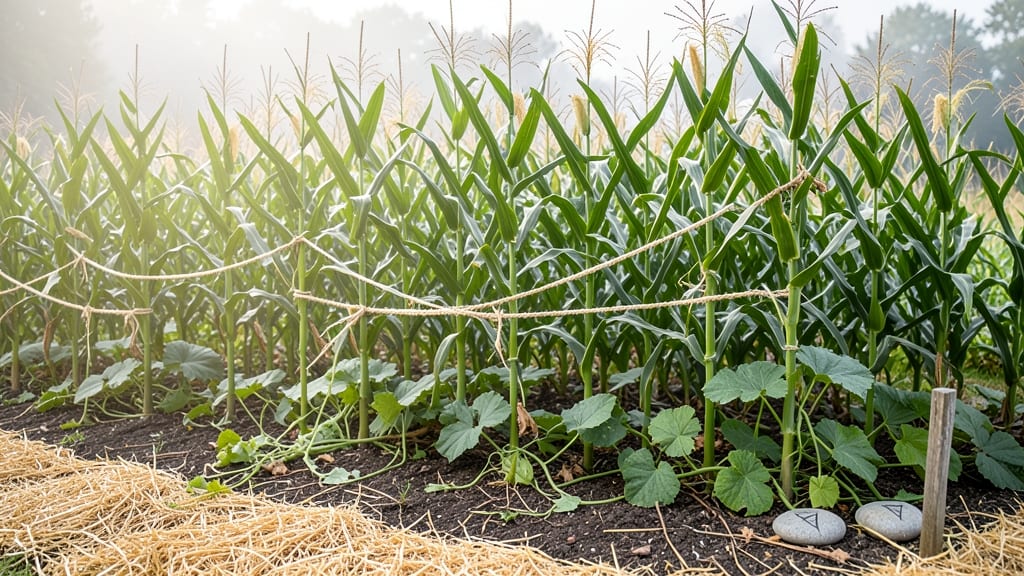
The Three Sisters method—a Native American technique combining corn, beans, and squash—is the perfect starting point. This trio works because each plant supports the others: corn provides structure, beans fix nitrogen, and squash shades the soil.
But we can expand this concept to other pest-repelling pairings that fit your garden size and climate. The goal is to maximize space while minimizing pest damage without chemicals.
Before diving in, assess your garden's sunlight and soil. Most companion plants thrive in full sun (6+ hours daily), but some, like lettuce or spinach, tolerate partial shade.
Test your soil's pH—most vegetables prefer 6.0 to 7.0. Amend with compost if needed, as healthy soil is the foundation of a resilient garden ecosystem.
Step-by-Step Guide to Your Pest-Repelling Companion Garden
- Step 1: Choose Your Foundation Plants Select 1-2 main crops (e.g., tomatoes, peppers, or herbs like basil). These will anchor your layout and determine what companions work best. For example, tomatoes pair well with basil and marigolds, while peppers thrive near onions and thyme.
- Step 2: Map Out the 'Three Sisters' Core Plant corn in the center (1-2 feet apart) as your tallest structure. Surround it with pole beans (they’ll climb the corn) and bush beans at the base. Add squash or pumpkins around the perimeter to shade the soil and deter weeds. This creates a microclimate that pests avoid.
- Step 3: Add Pest-Repelling Allies Interplant marigolds (every 2 feet) to deter nematodes and aphids. Tuck nasturtiums near cucumbers—they repel squash bugs. For herbs, basil near tomatoes improves flavor and deters flies, while dill or fennel attracts beneficial wasps that prey on tomato hornworms.
- Step 4: Layer for Height and Shade Use tall plants (corn, sunflowers) in the north side of your bed to avoid shading shorter crops. Place medium-height plants (peppers, beans) in the middle, and low growers (lettuce, radishes) in the south. This vertical layering maximizes yield and airflow, reducing disease risk.
- Step 5: Include Trap Crops Plant radishes or alyssum near high-value crops like brassicas. These sacrificial plants lure pests away from your main harvest. For example, radishes attract flea beetles, protecting your cabbage or kale.
- Step 6: Add Pollinator Magnets Include flowers like alyssum, borage, or cosmos to attract bees and hoverflies. These insects pollinate your crops and prey on garden pests like aphids. Place them at the edges of your garden or in small pots within beds.
- Step 7: Mulch and Maintain Apply straw or wood chips to retain moisture, suppress weeds, and regulate soil temperature. Mulch also smothers slug eggs and deters carrot flies. Water deeply in the morning to reduce fungal diseases and encourage strong root growth.
- Step 8: Rotate and Adjust Every 2-3 years, rotate your crops to prevent soil-borne diseases. Keep a garden journal to track which pairings work best in your space. For example, if basil struggles in your climate, swap it for oregano or thyme near your tomatoes.
One of my favorite space-saving tricks is interplanting fast growers with slow maturers. For instance, sow radishes (harvest in 30 days) between broccoli plants (ready in 90 days).
As the radishes finish, their space is already occupied by the broccoli’s expanding leaves. This maximizes every inch of your garden bed.
Don’t forget to leave some bare soil for beneficial ground predators like ladybugs and lacewings. These tiny allies eat aphids and mites but need open areas to hunt. A small patch of bare earth or a log or rock pile can provide perfect habitat for them.
For small urban gardens, use containers or vertical planters. Pair cherry tomatoes with basil in a hanging basket, or grow peppers and marigolds in a 5-gallon pot. Even a balcony rail can host herbs like thyme or parsley, which repel cabbage moths when planted near brassicas.
Finally, observe and adapt. If you notice cabbage moths targeting your kale, add more dill or tansy to the area. If squash bugs persist, try row covers early in the season or handpick them daily.
The more you tune into your garden’s rhythms, the more effective your pest-repelling layout will become.
With this approach, your garden will become a self-regulating ecosystem where pests think twice before invading. The best part? You’ll spend less time spraying and more time enjoying the fruits (and veggies!) of your labor. 🌱
Top 5 plant pairings that naturally repel common garden pests
If you're tired of battling aphids, tomato hornworms, or squash bugs in your garden, nature already has the solution: companion planting. This age-old technique uses science-backed plant pairings to create a pest-repelling ecosystem.
The key lies in strategic spacing and selecting plants that either confuse pests or attract their natural predators. For example, marigolds release a compound that deters nematodes, while basil masks the scent of tomatoes, making them less appealing to pests like whiteflies.
What makes these pairings work isn’t just luck—it’s biochemistry. Some plants emit odors that disrupt a pest’s ability to find its host, while others act as trap crops, luring pests away from your prized vegetables.
The best part? These combinations often boost growth by improving soil health and attracting pollinators. Let’s dive into the top 5 pest-repelling pairings and how to space them for maximum effectiveness.
The marigold-tomato pairing is one of the most popular because marigolds don’t just repel pests—they also attract beneficial insects like ladybugs and lacewings, which prey on aphids and other garden nuisances. For best results, plant French marigolds (like 'Bonanza' or 'Tangerine') near your tomato plants.
These varieties are particularly effective due to their strong scent and nematode-deterring properties. Pro tip: Interplant marigolds in a checkerboard pattern around your tomato bed for even coverage.
When pairing basil with peppers, focus on Genovese or Purple basil—these varieties thrive in warm climates and complement peppers beautifully. The key to success is consistent spacing. Basil can become invasive, so give it room to spread without shading your peppers.
If you notice basil flowering, pinch off the buds to redirect its energy toward leaf growth, which is what repels pests. This pairing also improves flavor—your peppers will taste sweeter when grown alongside basil!
For cucumber lovers, nasturtiums are a game-changer. These vibrant flowers not only deter pests but also add a pop of color to your garden. Choose trailing nasturtiums like 'Alaska' or 'Jewel Mix' for a cascading effect that frames your cucumber vines.
Plant them at the base of trellises or along the edges of your cucumber patch. Bonus: Nasturtium leaves are edible and add a peppery kick to salads, making this a dual-purpose companion.
Remember, the spacing guidelines in the table above are just starting points. Adjust based on your garden’s size and the mature size of your plants. Overcrowding can lead to poor airflow, which actually attracts pests like fungus gnats.
Always prioritize 3-4 inches of space between plants for airflow, even if the pest-repelling benefits are the main goal. With these pairings, you’ll create a self-sustaining ecosystem that keeps pests at bay while boosting your harvest.