
Planting
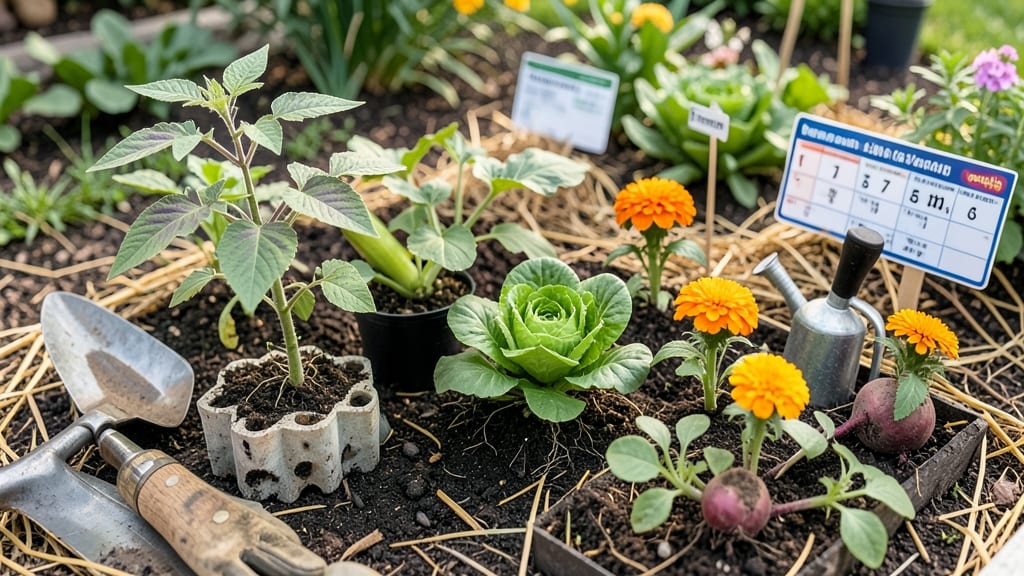
Planting a garden in Ohio after the last frost date—typically mid-April—sets the stage for a bountiful harvest, but timing is everything.
Ohio’s unpredictable spring weather can turn your gardening dreams into a guessing game unless you know the exact frost-free dates for your Zone 6b crops. Plant too early, and frost will wipe out your seedlings; too late, and you’ll miss peak harvest season.
Whether you’re growing tomatoes, peppers, or herbs, the key is aligning your planting schedule with soil temperatures and local microclimates. I’ll break down the best windows for cool-season and warm-season plants, plus how to adjust for late frosts or early heat.
By the end, you’ll know not just when to plant, but how to protect your garden from Ohio’s most common timing mistakes—so you can enjoy fresh produce from June through October.
Ohio Zone 6b frost dates: when to plant cool vs. warm-season crops
Ohio’s Zone 6b climate means your garden’s success hinges on knowing the average last frost dates—which vary slightly across cities like Columbus (April 15), Cincinnati (April 20), and Cleveland (April 25).
These dates separate cool-season crops (like lettuce and peas) from warm-season crops (tomatoes, peppers) that need soil temperatures above 60°F. Miss the window, and you risk stunted growth or frost damage.
For cool-season crops, start seeds indoors 6–8 weeks before your last frost date, then transplant 2–4 weeks after. Warm-season crops should wait until 2 weeks after the last frost, when soil warms to 65–70°F.
Use these city-specific deadlines to adjust: Columbus (May 1), Cincinnati (May 5), Cleveland (May 10). Always have a backup plan for late frosts.
🌱
| Crop Type | Planting Window | Soil Temp Requirement | Backup Date (Late Frost) | Example Crops |
|---|---|---|---|---|
| Cool-Season (Spring) | March 15–April 15 | 45–60°F | April 30 (with row covers) | Lettuce, Peas, Spinach, Broccoli |
| Cool-Season (Fall) | August 1–September 15 | 50–65°F | October 10 (hardy varieties) | Kale, Radishes, Carrots, Beets |
| Warm-Season (Early) | April 20–May 10 | 60–65°F | May 25 (with frost cloth) | Peppers, Eggplants, Tomatoes (starts) |
| Warm-Season (Main) | May 15–June 1 | 65–75°F | June 15 (direct sow) | Beans, Cucumbers, Squash, Corn |
Your cool-season crops thrive in Ohio’s spring and fall, but timing is critical. For spring planting, sow seeds 4–6 weeks before the last frost (e.g., peas in early March for a May harvest). Fall planting works until mid-September, with kale and spinach tolerating light frosts.
Use row covers to extend the season by 2–4 weeks if frost threatens.
Warm-season crops like tomatoes and peppers demand patience—wait until soil temperatures hit 60°F, typically mid-May.
Start pepper seeds indoors in March and transplant after Memorial Day to avoid stunted growth. Corn and beans, however, can handle cooler soil and can be direct-sown 2 weeks after the last frost. Always check 7-day forecasts before planting.
Ohio’s microclimates add complexity. Urban areas like Columbus may warm 3–5 days earlier than rural zones due to heat islands. If your garden sits in a low-lying area, expect later frosts—delay planting by 1–2 weeks as a buffer.
For high-altitude gardens (e.g., near Cleveland’s hills), plant 10 days later than average dates.
Protect tender seedlings with frost cloth or black plastic mulch to raise soil temps by 5–10°F. For late frosts, use row covers until danger passes.
If frost hits after transplanting, cover plants with old blankets or cardboard at night. Warm-season crops like tomatoes can survive light frosts if covered, but peppers and eggplants are far more sensitive.
Extend your harvest season by planting succession crops every 2 weeks for lettuce, radishes, and beans. For warm-season crops, try late-July plantings of bush beans or zucchini to harvest before first frost (October 15).
Always check plant maturity dates—a 60-day tomato planted in late June won’t ripen before frost!
Use a soil thermometer to confirm temps before planting. Cool-season crops need 45–60°F, while warm-season crops require 65–75°F. If soil is too cold, seeds may rot or fail to germinate. In Columbus, soil often hits 60°F by April 25, but Cleveland’s soil lags until <
How to adjust planting dates for Ohio’s unpredictable weather patterns
Ohio’s weather can shift from frost to 80°F in a single week, making planting dates tricky. The key to success lies in flexible timing strategies that account for late frosts, early heatwaves, and microclimates.
Urban areas like Columbus often warm up faster than rural spots, while valleys can stay colder longer. I’ll show you how to extend your growing season and adjust for Ohio’s most common weather surprises.
Start by checking local frost-free averages (typically mid-April), but always have a backup plan for late frosts. Use succession planting—sowing seeds every 2 weeks—to ensure a steady harvest.
For warm-season crops like tomatoes and peppers, wait until soil temperatures hit 60°F before planting, even if the air feels warm. This prevents stunted growth and poor germination.
Here’s how to fine-tune your schedule with practical adjustments that work for Ohio’s climate:
For warm-season crops, like tomatoes and cucumbers, delay planting until after May 15 unless you’re using black plastic mulch to warm the soil faster. If an early heatwave hits, provide shade cloth to protect tender seedlings from stress.
I’ve even planted fast-maturing varieties (like ‘Early Girl’ tomatoes) under row covers in early May, then removed the covers once temperatures stabilized.
Don’t forget fall planting—Ohio’s first frost typically arrives around October 15, leaving plenty of time for cool-season crops. Plant spinach, radishes, and carrots in early September for a harvest before winter sets in. Use straw mulch to insulate soil and keep roots warm during fluctuating temperatures.
By combining these strategies, you’ll turn Ohio’s unpredictable weather into an advantage. Start with row covers for early crops, succession plant for steady harvests, and adjust based on microclimates.
Soon, you’ll be harvesting fresh produce from June through October—no matter what Mother Nature throws your way. 🌱