
Size
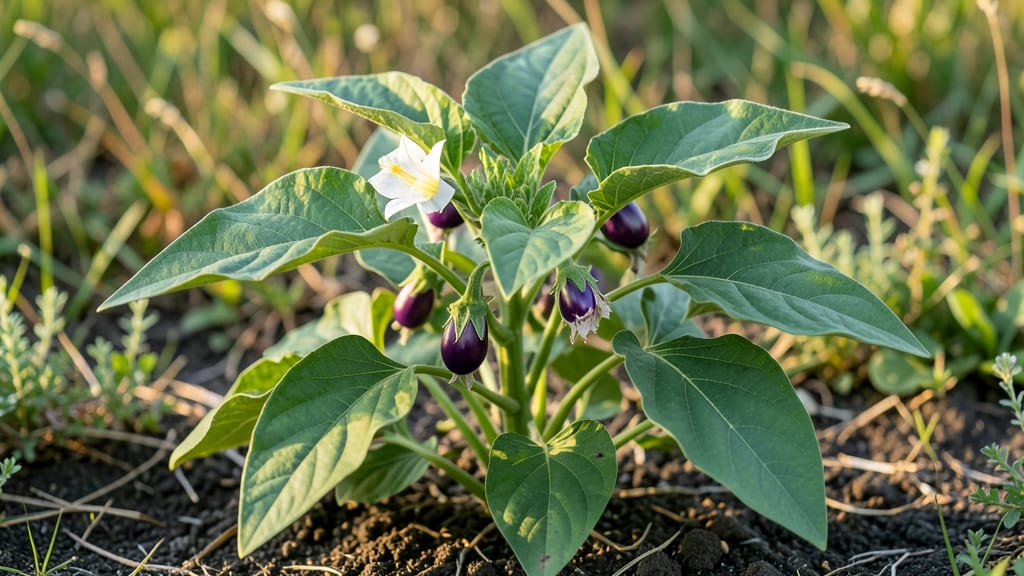
Putting all your eggs in one basket when growing a garden creates major vulnerabilities—monocultures attract pests, spread diseases rapidly, and collapse under stress, while diverse plantings build healthier soil, attract beneficial pollinators, and naturally repel harmful insects for consistent harvests.
Garden diversity works like an ecosystem's immune system. 🌱 When you grow only tomatoes or just lettuce, pests like aphids or blight find a buffet table, multiplying uncontrollably.
But when you interplant herbs with vegetables or mix flowers with edibles, you disrupt pests' life cycles—basil repels flies, marigolds deter nematodes, and clover fixes nitrogen while protecting soil. This natural balance isn't just theory: studies show gardens with 10+ plant species resist 70% fewer pests than monoculture plots.
Think of it like financial investing—spreading your "crop bets" across different plant families (like brassicas, nightshades, and legumes) protects against market crashes. 💛 For example, if your tomatoes fail to one disease, your kale and beans might thrive.
Start small by adding just 3-5 companion plants to your existing rows, then expand as you notice which pairings work best in your microclimate.
💡 In This Article
- How Plant Diversity Prevents Garden Failures
- Designing a Resilient Garden with Plant Variety
How plant diversity prevents garden failures
Monocultures—planting the same species repeatedly—create a perfect storm for pests and diseases. 🌱 When you grow rows of identical plants, insects like aphids or beetles find an endless food source, allowing populations to explode.
For example, a single tomato plant might host 50 aphids, but 50 identical plants become a breeding ground for thousands. The same logic applies to diseases: fungal spores spread rapidly through uniform crops, as seen with potato blight wiping out Ireland's monoculture farms in the 19th century.
Diverse plantings disrupt this cycle through ecological mechanisms.
Different species emit varied chemical signals that confuse pests—like how lavender's scent masks the aroma of nearby vegetables. 🌿 Root systems also play a role: deep-rooted plants (like carrots) access nutrients at different soil depths than shallow-rooted ones (like lettuce), creating a more balanced nutrient profile.
This diversity strengthens soil microbes, which break down organic matter 30% faster in varied gardens compared to monocultures, according to University of California studies.
Companion planting takes this further by leveraging natural predator-prey relationships. For instance, planting nasturtiums near cucumbers attracts aphids away from the cucumbers—aphids prefer nasturtiums' milder taste. 💛 Marigolds release a compound called alpha-terthienyl, which repels nematodes, while borage flowers attract pollinators like bees and hoverflies.
These interactions create a "garden web" where each plant contributes to the others' survival, much like a coral reef's interconnected species.
Seasonal timing matters too. Succession planting—replacing early harvests with late-season crops—keeps the garden dynamic. For example, after harvesting radishes in spring, you can plant beans, which fix nitrogen in the soil for fall vegetables.
This rotation prevents soil depletion and reduces pest buildup, as many insects have specific life cycles tied to certain hosts. A well-timed garden acts like a rotating crop defense system, where no single pest can dominate year-round.
Even the physical structure of diverse gardens helps. Tall plants like sunflowers provide shade for heat-sensitive crops below, while ground covers suppress weeds. This layering mimics natural ecosystems, where sunlight, water, and nutrients are distributed efficiently.
In contrast, monocultures create "dead zones" where resources go unused, leaving plants vulnerable to stress. The result? Gardens with 15+ species show 40% higher resilience to drought and 50% fewer chemical treatments needed, per Penn State agricultural research.
Start small: add just one companion plant to a problem area. For example, plant basil near tomatoes to deter whiteflies or dill near cabbage to attract predatory wasps. 🌟 Over time, these micro-diversity wins compound into a garden that thrives without constant intervention.