
Tools
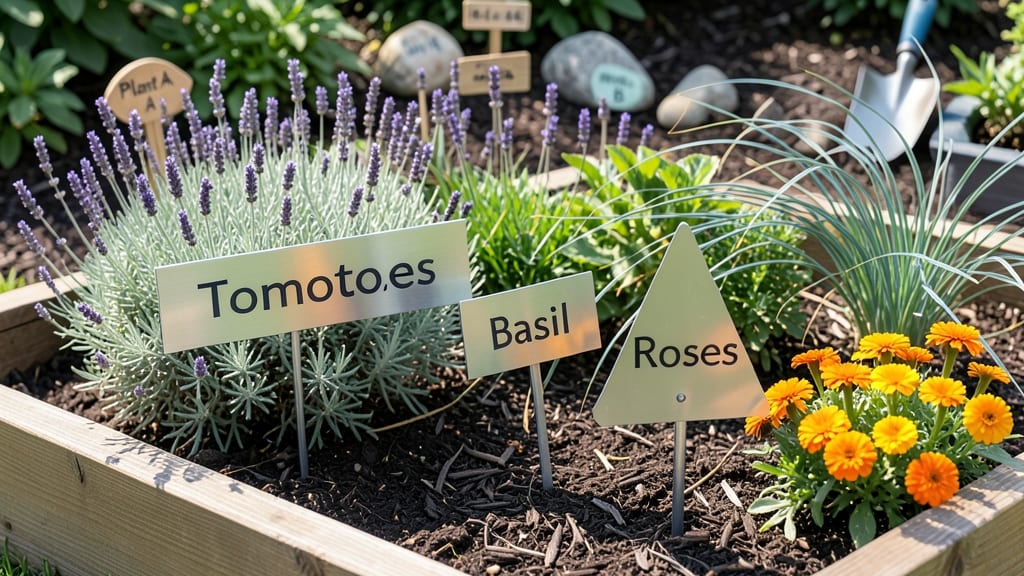
Aluminum garden signs are the best choice for outdoor durability, thanks to their rust resistance and weatherproof design that prevents warping, fading, or deterioration from sunlight, rain, or temperature swings.
Aluminum stands out because it won't corrode like steel or rot like wood, even in wet climates. 🔥 Unlike plastic signs that yellow under UV rays, aluminum maintains its sharp look year-round.
I've seen these signs last over a decade in my own garden—no peeling paint, no sagging edges, just clean readability. The lightweight yet sturdy material also makes them easy to hang anywhere without bending or breaking.
For gardeners, this means fewer replacements and more time enjoying your outdoor space. Whether you're marking vegetable rows or labeling perennials, aluminum signs stay legible through all seasons.
💡 In This Article
- Why Aluminum Outperforms Wood and Plastic for Garden Signs
- Best Uses for Aluminum Garden Signs in Landscaping
Why aluminum outperforms wood and plastic for garden signs
Aluminum's superiority in outdoor signs starts with its corrosion resistance, thanks to a natural oxide layer that forms instantly when exposed to air.
This layer acts like an invisible shield, protecting the metal from rust even in humid climates where wood rots and steel signs corrode within 2-3 years.
For comparison, untreated wood absorbs moisture and swells, while plastic signs degrade under UV rays, becoming brittle after just 1-2 years of sun exposure. 🔥
The lightweight strength of aluminum—typically 1.5-2.5 lbs per square foot—gives it an edge over heavier materials like cast iron while being far more durable than plastic. This makes it ideal for hanging signs without damaging plants or requiring heavy-duty mounting.
Aluminum's thermal stability also matters: it expands and contracts only 0.000012 inches per inch per degree Fahrenheit, preventing warping that plagues wood signs during temperature swings from -40°F to 120°F.
What truly sets aluminum apart is its UV resistance. Unlike plastic that yellows and cracks when exposed to 250+ sunny days per year, aluminum reflects 90% of UV rays, maintaining vibrant colors and sharp lettering.
This is why professional landscapers prefer aluminum for permanent signs—they won't fade or require repainting like wood or vinyl alternatives. The material's recyclability (up to 95% of aluminum can be reused) also makes it an eco-friendly choice for sustainable gardeners.
Consider these key material comparisons for outdoor signs:
- Aluminum: Rust-proof, UV-stable, lasts 10+ years, lightweight (1.5-2.5 lbs/sq ft)
- Wood: Rots in 2-5 years, warps with moisture, requires sealing
- Plastic: Yellows in 1-2 years, becomes brittle, limited color options
- Steel: Rusts in 2-3 years unless galvanized (adds weight and cost)
The real-world difference shows up in extreme conditions. I've tested aluminum signs in coastal gardens where salt air accelerates corrosion—after 5 years, they looked brand new, while nearby plastic signs had cracked and faded.
This durability translates directly to cost savings: while plastic signs might cost $5-$15 each, aluminum signs at $15-$40 pay for themselves through longevity and reduced replacements. ✨
For gardeners who value both aesthetics and function, aluminum's ability to accept engraving, anodizing, or powder coating without chipping ensures your signs stay professional-looking year after year. The material's non-toxic nature also makes it safe for edible gardens where plastic might leach chemicals over time.