
Vegetables
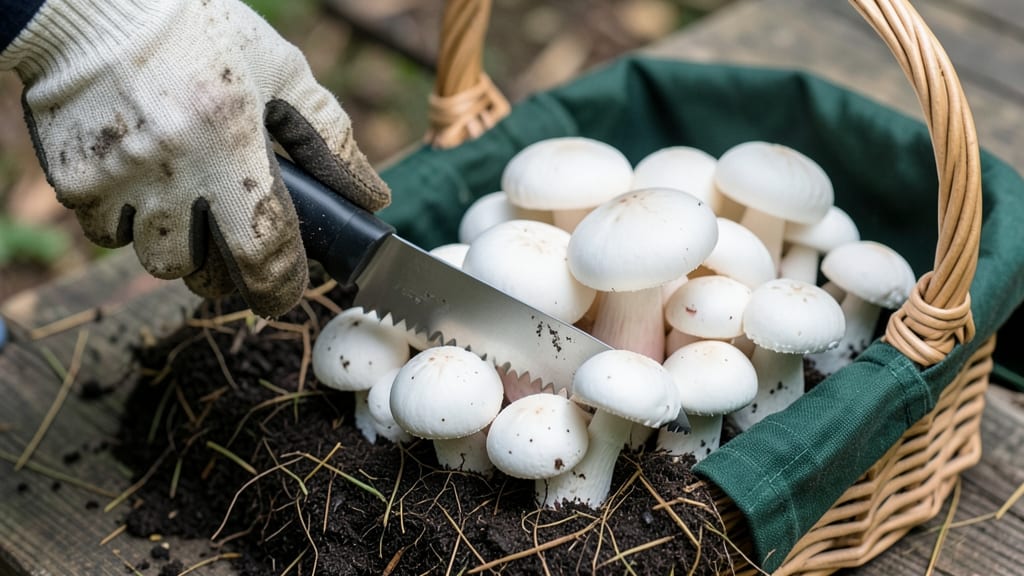
Garden mushrooms are generally safe when grown at home or purchased from reputable stores, but wild mushrooms can be poisonous. Always identify store-bought varieties and avoid consuming unknown wild specimens unless confirmed edible by an expert.
Garden mushrooms—those you grow at home or buy from trusted stores—are safe because they're cultivated under controlled conditions to prevent contamination. 🍄 The real risk comes from wild mushrooms, where look-alikes like the deadly death cap can mimic edible varieties.
Even a small bite of the wrong mushroom can cause severe symptoms like nausea, vomiting, or worse. I always double-check labels when buying and stick to well-known brands to avoid accidental poisoning.
When growing your own, use sterile substrates and follow proper hygiene to prevent mold or bacterial growth.
Store-bought mushrooms should be kept refrigerated and cooked thoroughly to kill any potential pathogens. 💫 Wild foraging requires expert knowledge—never eat a mushroom unless you're 100% certain it's safe, as some toxic species can be fatal.
💡 In This Article
- Why Wild Mushrooms Pose Higher Poisoning Risks
- How to Safely Grow and Buy Edible Garden Mushrooms
Why wild mushrooms pose higher poisoning risks
Wild mushrooms contain a vast array of toxins that can cause severe illness or even death. The most infamous is amatoxins found in the death cap (Amanita phalloides), which can be fatal even in small doses.
These toxins inhibit RNA polymerase II, halting protein synthesis in liver cells and leading to organ failure. Symptoms like nausea, vomiting, and abdominal pain typically appear 6-24 hours after ingestion, making diagnosis difficult. 🔥
One dangerous look-alike is the button mushroom (Agaricus bisporus), which is safe when cultivated, versus the deadly galerina (Galerina marginata), which contains similar toxins. These species can grow side by side in forests, and even experts need microscopic analysis to distinguish them.
The false morel (Gyromitra esculenta) is another high-risk wild mushroom that causes gastrointestinal distress and can trigger seizures due to its gyromitrin content.
The human body lacks enzymes to break down many mushroom toxins, so they accumulate in the liver and kidneys. For example, muscarine in the fly agaric (Amanita muscaria) causes excessive sweating, salivation, and muscle spasms by overstimulating acetylcholine receptors.
Even a single mushroom can be lethal, depending on the species and individual sensitivity. 💫
Wild mushrooms also absorb heavy metals and pesticides from their environment, increasing toxicity. Unlike cultivated varieties grown in controlled conditions, wild mushrooms have no quality standards or safety testing. This is why mycologists emphasize that 90% of mushroom poisonings come from wild foraging mistakes, not store-bought products.
Even experienced foragers make errors. The destroying angel (Amanita bisporigera) has been mistaken for edible puffballs, leading to fatal cases. Visual guides and smartphone apps often lack sufficient detail to identify toxic species accurately.
That's why experts recommend using field guides with microscopic descriptions and consulting local mycological societies before consuming any wild mushroom.
Cooking doesn't neutralize most mushroom toxins. For instance, amatoxins remain stable at boiling temperatures. The only safe approach is complete avoidance of unidentified wild mushrooms. When in doubt, treat every wild mushroom as potentially deadly—your life isn't worth the risk. ✨