
Orchid Care
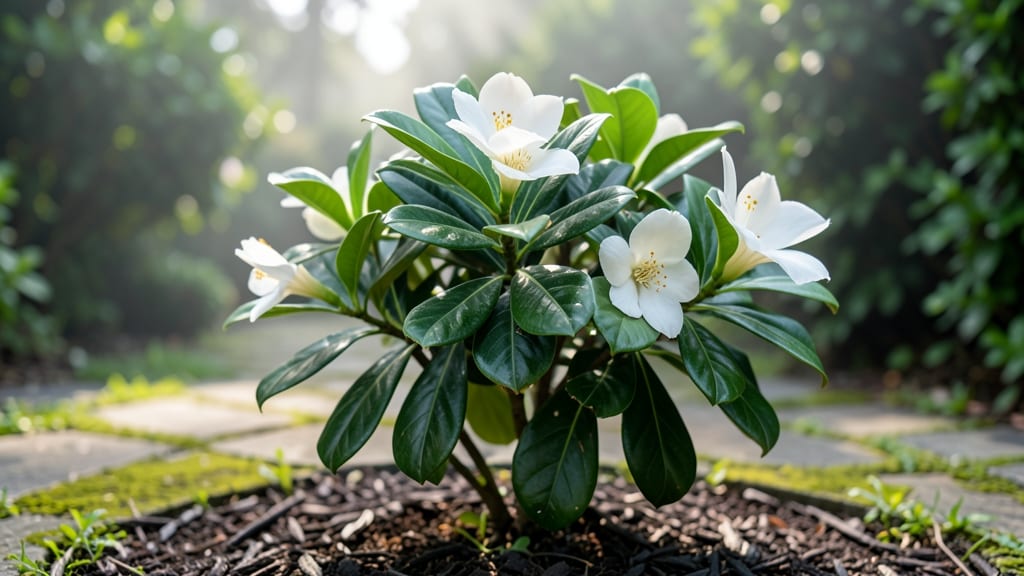
Whether gardenias are perennials or annuals depends on your climate zone—these fragrant plants thrive as perennials in USDA zones 8-11 but typically die back in colder zones, forcing gardeners to treat them as annuals. With proper winter care, however, you can coax them back to life year after year.
Gardenias naturally behave as perennials when temperatures stay consistently warm, thanks to their tropical origins. 🌿 In zones 8-11, they establish deep root systems that survive winter's mild chill, blooming reliably each spring.
The real challenge comes when you live outside those zones—frost penetrates their delicate foliage, but the roots often remain dormant beneath the soil. This is why gardeners in cooler climates often replant gardenias each year, assuming they're annuals. The good news?
With strategic winter protection like heavy mulching or container relocation, you can preserve those roots and revive your gardenias come spring.
What makes this especially interesting is how gardenias adapt to their environment. Unlike hardy shrubs, they lack natural frost resistance but can tolerate brief cold snaps if their roots stay insulated. This dual nature explains why some gardeners successfully overwinter them while others give up after the first freeze.
The key difference lies in preparation—those who treat their gardenias as perennials invest in winter care, while others simply replace them annually without realizing the potential for long-term growth.
💡 In This Article
- Gardenia Lifespan: How Climate Zones Determine Perennial vs Annual Growth
- Extending Gardenia Lifespan in Cold Climates: Winter Care Tips
Gardenia lifespan: how climate zones determine perennial vs annual growth
Gardenias (Gardenia jasminoides) originate from tropical and subtropical regions of Asia, where they naturally experience year-round warmth without frost. This tropical heritage explains why they thrive as perennials in USDA zones 8-11, where winter temperatures rarely drop below 20°F.
In these zones, gardenias develop extensive root systems that store energy for regrowth, allowing them to bloom reliably each spring. The key difference between perennial and annual behavior lies in their ability to survive winter dormancy—something they can only do when protected from freezing temperatures.
In colder zones (7 and below), gardenias face a critical challenge: their delicate foliage and stems cannot tolerate frost, which causes cell damage at temperatures below 32°F.
However, their roots often remain viable if insulated properly, as gardenia roots can survive brief exposures to 15-20°F when protected by mulch or soil. This is why many gardeners mistakenly classify them as annuals—they see the above-ground plant die back but assume the entire plant is lost.
The reality is that gardenias can regrow from dormant roots if given the right conditions in spring.
The botanical mechanism behind this involves a process called "cold hardening," where plants gradually adapt to cooler temperatures. Gardenias don't naturally harden like deciduous shrubs, but their roots can enter a dormant state when protected. In zones 8-11, this dormancy is minimal, allowing continuous growth.
In colder zones, proper winter care mimics these natural conditions, preserving the root system until warmer weather returns. This explains why gardenias can return year after year in marginal zones with careful protection.
Consider this comparison: In zone 9 (where winters rarely drop below 25°F), gardenias grow as true perennials with minimal intervention.
In zone 7 (where winters can reach 0°F), the same plant would die back completely without protection, but its roots might still survive if buried under 6+ inches of mulch.
This root survival is the secret to treating gardenias as perennials even in colder climates—it's all about protecting that underground system.
What most gardeners don't realize is that gardenias can actually benefit from a period of dormancy, even in warm climates. When temperatures drop slightly (but stay above 32°F), the plant conserves energy, leading to more vigorous blooming in spring.
This natural cycle is disrupted by frost, which is why gardenias in colder zones require artificial protection to replicate these conditions. The result? A plant that can live for decades with proper care, rather than being replaced annually.
For example, gardenias grown in containers in zone 6 can easily be moved to a garage or insulated greenhouse during winter, where temperatures stay above 35°F. This simple strategy preserves the root system while preventing frost damage to the foliage.
The plant then emerges in spring ready to bloom, proving that with the right approach, gardenias can defy their tropical origins and thrive in cooler climates as perennials.