
Size
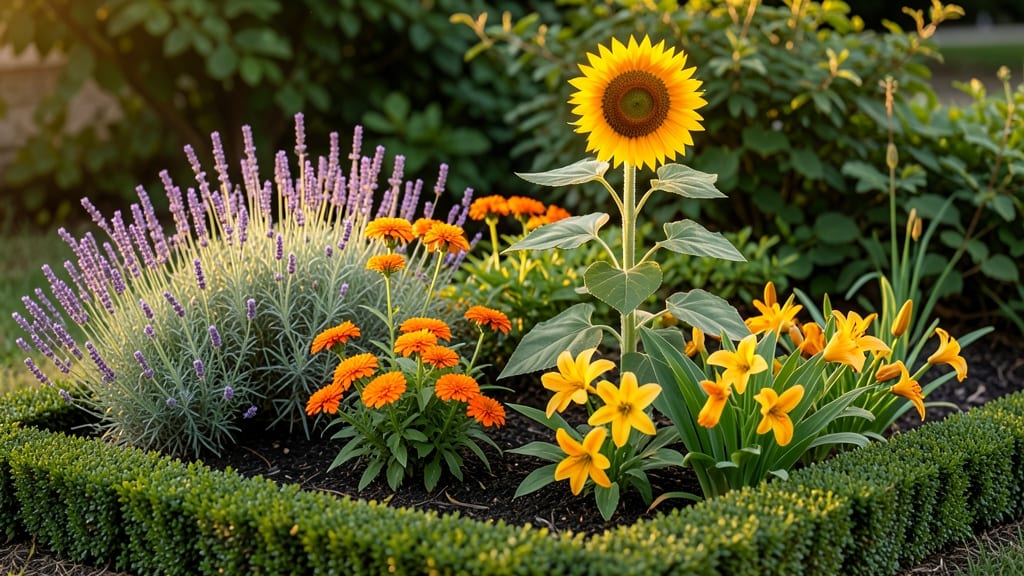
The average size of a garden varies widely: 100 to 500 square feet suits small urban spaces, 500 to 2,000 sq ft works for suburban homesteads, and over 2,000 sq ft is ideal for large-scale vegetable or ornamental gardens, with plant types and yield goals determining the exact footprint.
Garden size isn't just about square footage—it's about matching your growing goals to available space. 🌱 For instance, a 100 sq ft plot can easily support herbs, salad greens, and dwarf vegetables, while a 2,000 sq ft area allows for full-size fruit trees, large shrubs, and sprawling perennials.
Urban gardeners often prioritize vertical space with trellises and hanging planters, while suburban plots can incorporate raised beds and companion planting for higher yields. The key is balancing what you want to grow with the space you have, whether that's a tiny balcony or a sprawling backyard.
Even within these ranges, your garden's purpose matters. A herb garden might thrive in just 25 sq ft, while a vegetable patch for a family of four could need 1,000 sq ft or more.
Ornamental gardens, on the other hand, often require more space for mature plants to reach their full potential. 🌿 Always consider how much room each plant needs to grow—not just at planting time, but over its full lifecycle.
💡 In This Article
- How Garden Size Affects Plant Yield and Growth
- Space-Efficient Gardening Techniques for Small Plots
How garden size affects plant yield and growth
Plant growth isn't just about sunlight—it's a delicate balance of space, roots, and competition. Most vegetables need at least 12-24 inches of space around them to develop properly.
For example, a single tomato plant can spread 2-3 feet in diameter when mature, while lettuce only needs about 6 inches per plant.
The root system of mature plants like fruit trees can extend 3-5 feet underground, requiring significantly more space than shallow-rooted herbs. 🌱 This is why a 100 sq ft plot can grow dozens of herbs but only a few tomato plants.
The science behind spacing comes down to two key factors: root competition and air circulation. When plants are too close, their roots compete for water and nutrients, stunting growth. Poor air circulation also increases disease risk by trapping humidity near leaves.
For instance, a 500 sq ft garden might support 20-30 tomato plants spaced 18 inches apart, but the same space could grow 50-60 lettuce plants spaced just 6 inches apart.
Perennials like asparagus need even more room—each crown requires 12-18 inches of space and can take 3 years to mature.
Companion planting plays a huge role in optimizing space. For example, pairing basil with tomatoes improves growth while keeping pests away, allowing you to fit more plants in the same area. In a 1,000 sq ft garden, this technique can increase yield by 20-30% compared to random planting.
However, some plants like onions and beans shouldn't be planted together—they compete for the same nutrients. Understanding these relationships helps maximize space efficiency without sacrificing productivity. 🌿
Seasonal growth patterns also dictate space needs. Fast-growing crops like radishes or green onions can be harvested in 30-45 days, allowing you to replant the same space multiple times in a season.
In contrast, slow-growing crops like broccoli or cabbage need 60-90 days to mature, requiring careful planning to avoid overcrowding. A 2,000 sq ft garden might support both, but with different spacing strategies for each type.
Soil depth matters too—most vegetables need at least 12 inches of fertile soil, while root crops like carrots or potatoes require 18-24 inches. In urban areas where soil depth is limited, raised beds or container gardening become essential.
For example, a 4x8 ft raised bed (32 sq ft) can produce as much as 100 sq ft of in-ground garden when using intensive planting methods. This is why urban gardeners often achieve higher yields per square foot than suburban plots with traditional layouts. 💫
Finally, consider the plant's mature height. Tall plants like corn or sunflowers need 3-4 feet of space to avoid shading shorter crops. In a 500 sq ft garden, you might dedicate one corner to sunflowers while keeping the rest for lower-growing vegetables.
This vertical layering isn't just about aesthetics—it's a strategic way to maximize space without sacrificing sunlight or nutrients for any single plant.