Tools
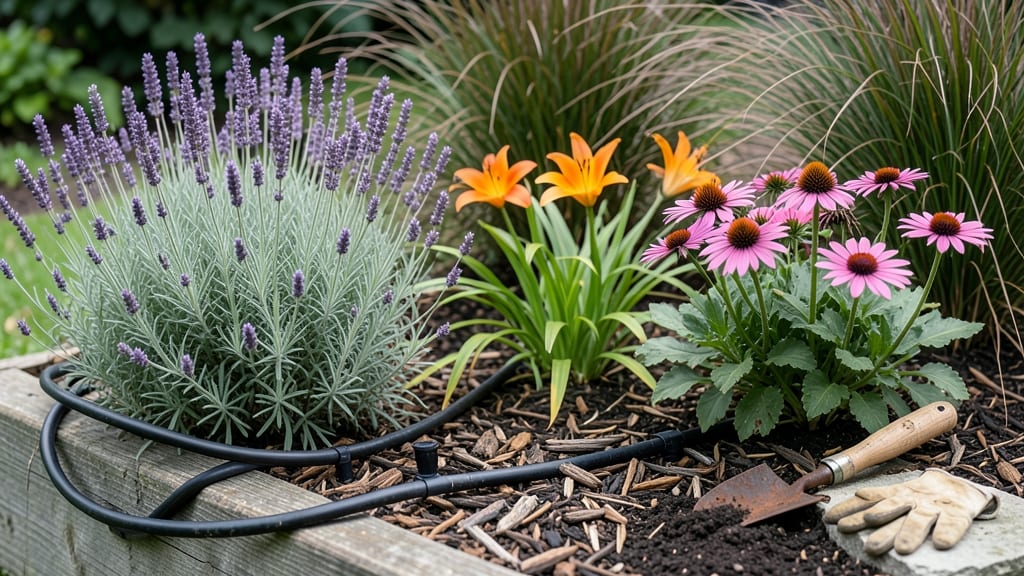
The best place for a garden depends on sunlight, soil, and space—but getting it right can transform your green thumb from "hopeful" to "pro."
Picture this: you’ve spent hours prepping soil, picked out your favorite 🌱 General Garden varieties, and then—nothing. Wilting leaves, stunted growth, or worse, weeds taking over. That’s not just bad luck; it’s often a location mismatch.
The right spot turns a garden into a thriving oasis, while the wrong one turns it into a frustrating chore.
Sunlight is the #1 factor—most vegetables and flowers crave 6+ hours of direct light, while shade-loving plants like hostas or ferns thrive in dappled spots. But it’s not just about sun: drainage, wind protection, and even your soil’s pH can make or break your plants.
In Zone 6a, for example, a south-facing backyard might be perfect for tomatoes, while a north-facing corner could be ideal for leafy greens.
Here’s what you’ll learn: how to assess your yard’s microclimates, which garden types (raised beds, containers, or in-ground) suit your space, and how to tweak soil or light when your "perfect" spot isn’t quite working. Let’s dig in!
Sunlight requirements for different plants: how to pick the best garden spot
Choosing the right sunlight exposure for your plants is like picking the perfect real estate—location determines success. Most plants thrive with 6-8 hours of direct sun, but some prefer shade. Understanding these needs helps you avoid stunted growth or wilted leaves from poor placement.
Start by observing your yard’s sunlight patterns. Use a sunlight mapping tool or track shadows for 3-4 days to identify full sun, partial shade, and full shade zones. This simple step saves you from trial-and-error planting.
For vegetables like tomatoes and peppers, aim for full sun spots—these powerhouses need intense light to produce fruit. In contrast, leafy greens like lettuce tolerate partial shade, making them ideal for morning sun or dappled shade areas.
| Plant Type | Sunlight Needs | Best Location | Examples |
|---|---|---|---|
| Vegetables | Full Sun (6-8 hrs) | South-facing backyard, raised beds | Tomatoes, Peppers, Cucumbers |
| Herbs | Full Sun to Partial Shade (4-6 hrs) | Balcony with morning sun, containers | Basil, Rosemary, Thyme |
| Flowers | Partial Shade (3-4 hrs) | East-facing beds, under trees | Impatiens, Begonias, Ferns |
| Shade-Loving Plants | Full Shade (<3 hrs) | North-facing walls, woodland gardens | Hostas, Astilbes, Caladiums |
If you’re gardening on a balcony or patio, prioritize south-facing containers for sun-loving plants. Use reflective surfaces like white walls or mirrors to bounce extra light onto shade-loving varieties. This trick maximizes space in small gardens.
For container gardens, choose pots with self-watering bases to prevent drying out in full sun. Place them on casters or wheels so you can rotate them seasonally—this ensures even sunlight exposure as the sun shifts.
Don’t overlook microclimates in your yard. A spot near a stone wall or fence may stay warmer and drier, perfect for drought-tolerant succulents. Meanwhile, areas near trees or buildings often create cooler, shadier pockets ideal for hostas or ferns.
Test your garden’s sunlight with a DIY sunlight meter: Stick a white board in potential spots for an hour. If it’s hot to the touch, it’s full sun; if lukewarm, it’s partial shade. This hack saves you from guessing.
Adjust your garden layout seasonally. In summer, move heat-sensitive plants like lettuce or spinach to shadier spots, while in winter, sun-loving plants may need relocation to capture weaker winter sunlight. Flexibility is key!
Remember, overwatering in full sun can stress plants just as much as underwatering in shade. Always pair sunlight exposure with the right watering schedule—most sun-loving plants need deep watering 2-3 times per week, while shade plants thrive on light, frequent watering.
Start small with a test patch of your sunniest spot. Plant a mix of full sun, partial shade, and shade plants to see what thrives. This experiment helps you refine your garden’s layout before committing to a full redesign.
Soil and space secrets: what makes a garden location ideal?
Choosing the best place for a garden isn’t just about sunlight—soil quality and space play equally critical roles. Even the sunniest spot can fail if the drainage is poor or the pH is off. Let’s break down the hidden factors that separate thriving gardens from struggling ones.
Your garden’s soil composition determines nutrient availability and root health. Compacted or clay-heavy soil can suffocate roots, while sandy soil drains too quickly. Organic matter like compost improves structure, while pH levels (ideal: 6.0–7.0) affect nutrient uptake. Testing your soil is the first step to unlocking its potential.
Don’t overlook microclimates—small areas with unique conditions (e.g., a south-facing wall trapping heat). These spots can extend growing seasons for heat-loving plants like tomatoes or peppers. Conversely, shaded corners work well for leafy greens or ferns.
Improving your garden’s space involves mulching to retain moisture, raising beds for better drainage, or installing drip irrigation for efficiency. Even urban gardeners can create ideal conditions with container gardening and vertical space solutions like trellises.
Take action today: grab a soil test kit and observe your yard’s conditions. Small adjustments—like adding compost or installing a windbreak—can transform a mediocre spot into a high-performance garden. Your plants will thank you with bigger blooms and bountiful harvests! 🌻