Planting
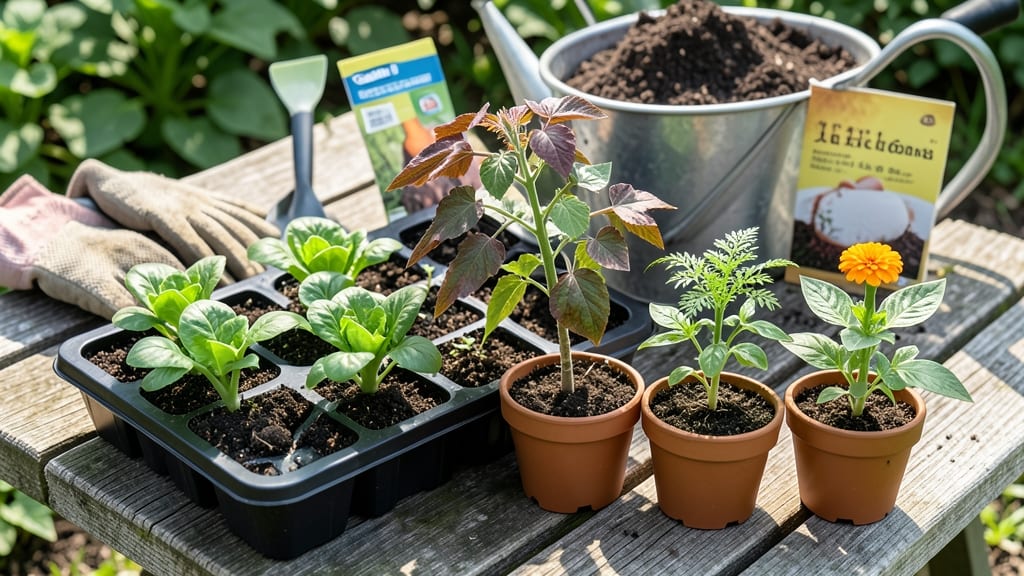
To plant a garden at the best time means avoiding those cruel last frosts that turn tender seedlings into sad, shriveled memories—especially in Zone 6a where April 15 is your deadline.
Picture this: you’ve spent weeks prepping soil, ordering seeds, and dreaming of a harvest, only to wake up to a 50°F morning and watch your 🌱 Garden Vegetables (General) wilt overnight.
That’s why timing isn’t just about the calendar—it’s about your local frost dates, soil warmth, and even the moon’s phases (yes, really).
Most gardeners assume spring is the only window, but the truth is, fall planting can give you a second harvest before winter sets in. The key? Knowing when to start seeds indoors, when to transplant, and which crops thrive in cooler weather.
I’ll break it down by zone so you can plan with confidence.
By the end, you’ll know exactly when to pop those seeds in the ground—whether you’re a first-timer or a seasoned grower looking to maximize your yield. No more guesswork, just lush, productive plants from day one.

How to determine your planting deadlines by USDA hardiness Zone
Timing your garden correctly means the difference between a bountiful harvest and wasted seeds. Your USDA hardiness zone and last frost dates are the foundation of perfect planting. Without them, you might plant too early and risk frost damage—or too late and miss the growing season entirely.
First, find your USDA zone using the Zone Finder Tool on the USDA website. Most gardeners fall between Zone 3 (coldest) and Zone 10 (warmest).
For example, if you're in Zone 6a, your last frost typically occurs around April 15, while Zone 9a might see its last frost in February.
Next, calculate your frost-free days. This tells you how long your growing season lasts. In Zone 5b, you might have 140 frost-free days, while Zone 8a could stretch to 210 days. Use this to plan warm-season crops like tomatoes or peppers.
For cool-season crops (e.g., lettuce, spinach), plant 4-6 weeks before your last frost. These hardy plants can handle light frosts. Meanwhile, warm-season crops need to wait until soil temperatures reach 60°F—usually 2 weeks after your last frost.
Here’s a quick reference for your planting deadlines based on common USDA zones:
| USDA Zone | Last Frost Date | Cool-Season Planting | Warm-Season Planting | Frost-Free Days |
|---|---|---|---|---|
| Zone 3 | May 10 | March 15-April 1 | May 20-June 1 | 90-120 days |
| Zone 5a | April 20 | March 1-April 1 | May 10-May 25 | 120-150 days |
| Zone 6a | April 15 | March 15-April 15 | May 1-May 15 | 150-180 days |
| Zone 7b | March 25 | February 15-March 15 | April 15-May 1 | 180-210 days |
| Zone 9a | February 15 | January 1-February 1 | March 1-April 1 | 240-270 days |
| Zone 10a | December 15 | November 1-December 1 | February 1-March 15 | 300+ days |
Use heat units (like growing degree days) for precise timing. These measure how much heat your plants need to thrive. For example, tomatoes typically need 1,200 growing degree days. Check local agricultural extensions for your area’s heat unit data.
Extend your season with row covers or cold frames to plant earlier. These protect against late frosts and let you grow cool-season crops like kale or peas even in Zone 4 winters. Just remove covers when plants bolt or flower.
Always double-check your local microclimate. A valley might frost later than a hilltop, and urban areas can be 5-10°F warmer than rural zones. Adjust your deadlines based on 3-5 years of local records for accuracy.
Finally, mark your calendar with planting reminders tied to your zone. Use apps like Gardenate or Farmer’s Almanac for real-time alerts. With these tools, you’ll never miss a planting window again!
Best planting times for cool-season vs warm-season vegetables
Understanding the best planting times for your garden isn't just about checking a calendar—it's about matching your 🌱 vegetables to their ideal temperature ranges. Cool-season crops like lettuce and carrots thrive when temperatures dip below 75°F, while warm-season favorites like tomatoes and peppers need soil that's at least 60°F to germinate.
Get this wrong, and you'll end up with leggy seedlings or bitter greens.
Your USDA hardiness zone plays a huge role, but even within the same zone, microclimates can shift planting windows by weeks. For example, in Zone 6a, my lettuce bolts by June, but with a simple row cover, I can push harvests into early fall.
The trick? Know your last frost date and plan accordingly—cool-season crops need to establish roots before summer heat arrives.
Here's how to align your planting schedule with your garden's needs:
For Zone 6a gardeners like me, the spring planting window typically opens around April 15 (after the last frost), but I always test soil temperature with a soil thermometer—warm-season crops like tomatoes won’t germinate until the soil hits 60°F. Pro tip: If your spring is unpredictable, start warm-season seeds indoors 6-8 weeks before your last frost date to get a head start.
Don’t overlook fall planting—it’s my secret to a second harvest! Cool-season crops like spinach and kale thrive in cooler weather and can be planted as early as mid-August in Zone 6a. I use lightweight row covers to protect tender seedlings from early frosts, extending my harvest well into October.
This strategy gives me fresh greens when summer crops fade, and it’s a game-changer for small-space gardeners.
Remember, soil temperature matters just as much as air temperature. A cool morning might feel pleasant, but if your soil is still chilly, your warm-season seeds will sit there waiting to sprout.
Use a black plastic mulch to warm the soil faster, or opt for biodegradable seed starter pots that break down in the ground—both tricks help jumpstart your planting schedule by weeks.
With these timing strategies, you’ll avoid the heartbreak of frost-damaged seedlings and maximize your garden’s potential. Start with the cool-season crops early, hold off on warm-season plants until soil warms, and use season extenders to push your harvests further. Happy planting—your future salads will thank you! 🥬