Vegetables
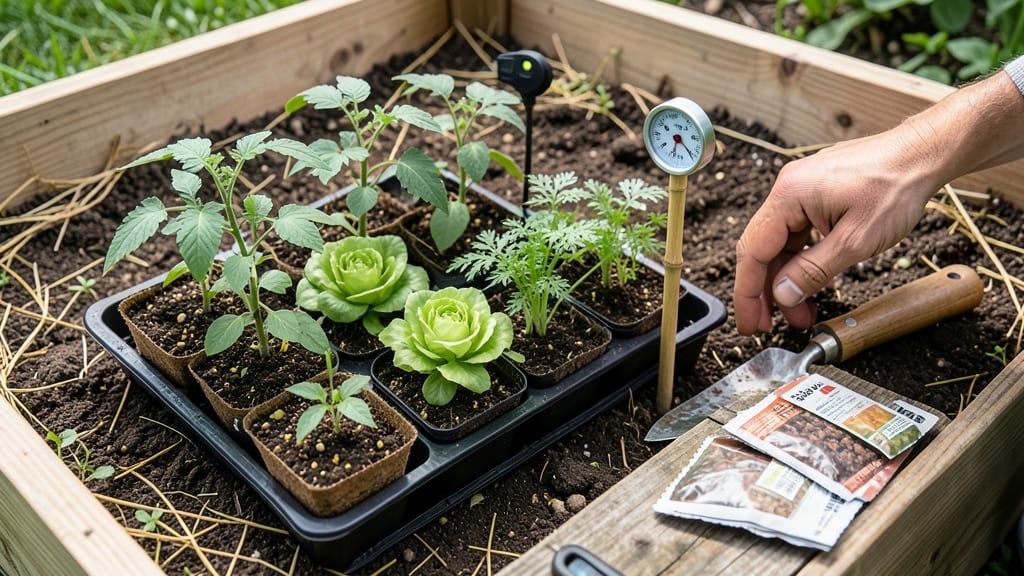
Planting your vegetable garden at the best time means the difference between a thriving harvest and wasted effort—timing your crops to your USDA zone is the key to success.
Picture this: you’ve spent weeks preparing your soil, only to watch seedlings bolt or wilt under unexpected frost. That’s why knowing your last frost date and ideal planting windows for cool-season vs. warm-season crops is non-negotiable.
In Zone 6a, like many gardeners, your window opens in early spring (4-6 weeks before April 15) and late summer (60-90 days before October 15).
But what if you want to squeeze in extra harvests? We’ll cover how to extend your season with row covers, succession planting, and microclimate tricks.
Whether you’re a beginner or a seasoned grower, you’ll leave here with a clear timeline, zone-specific tips, and the confidence to plant like a pro—no guesswork, just peak growth every season.
USDA Zone planting deadlines: when to start vegetables by region
Getting your vegetable planting timeline right depends entirely on your USDA zone and local frost averages. In Zone 3, where winters are brutal, you’ll start cool-season crops indoors 8-10 weeks before your last frost—often as early as February.
Meanwhile, gardeners in Zone 10 can plant heat-loving veggies like okra and sweet potatoes year-round, with minimal frost concerns. The key is matching your crop type to your region’s frost-free window.
Cool-season vegetables like lettuce, kale, and peas thrive when soil temps hover between 40°F and 70°F. In Zone 4, that means sowing seeds 4-6 weeks before your last frost (usually late April to early May).
Heat-tolerant crops like tomatoes, peppers, and beans need warmer soil—wait until after your last frost date and when nighttime temps stay above 55°F.
Missed your ideal planting window? Don’t panic! Many gardeners use succession planting to stagger harvests, especially for fast-growing crops like radishes or bush beans. For example, in Zone 7, you might plant lettuce in early March and again in late August for a fall harvest.
Always check your seed packet for days-to-maturity—it’s your best guide for timing.
| USDA Zone | Last Spring Frost (Avg.) | First Fall Frost (Avg.) | Cool-Season Start (Indoors) | Warm-Season Start (Outdoors) |
|---|---|---|---|---|
| Zone 3 | May 10 | September 20 | February (8-10 wks before frost) | June 1 (after frost) |
| Zone 4 | April 25 | October 5 | March (6-8 wks before frost) | May 15 (soil 60°F+) |
| Zone 5 | April 15 | October 15 | March (4-6 wks before frost) | May 1 (soil 55°F+) |
| Zone 6 | April 1 | November 1 | February (indoors) or March (outdoors) | April 20 (soil 60°F+) |
| Zone 7 | March 15 | November 15 | January (indoors) or February (outdoors) | March 30 (soil 65°F+) |
| Zone 8 | February 28 | December 15 | December (indoors) or January (outdoors) | February 15 (soil 70°F+) |
| Zone 9 | February 1 |
How to extend your growing season for earlier or later plantingEven in Zone 6a, you can push your harvest windows by 4-6 weeks in spring or 30-45 days into fall—no matter your experience level. The trick lies in combining season-extending tools with strategic planting techniques. I’ve tested these methods in my own garden, and they’ve added hundreds of pounds of produce to my annual harvest. Start with low-tech solutions like row covers and cold frames, which create microclimates that protect tender seedlings from frost while trapping heat. Pair these with succession planting to stagger harvests, ensuring you’re always pulling fresh produce. Even companion planting plays a role by deterring pests and improving soil health for late-season crops. 🌱 Proven Techniques to Extend Your Season
Don’t overlook soil preparation—amend beds with compost and aged manure in late summer to boost fertility for fall crops. I add a balanced fertilizer (10-10-10) in early September to give plants a nutrient boost before cooler temps slow growth. For late-season crops like broccoli or cauliflower, use black plastic mulch to warm soil faster in spring. In my garden, this lets me plant cabbage 10 days earlier than usual. Just remember to remove mulch before harvest to avoid soil contact. Test your soil’s temperature with a probe—most seeds need 40-50°F for germination. If it’s cooler, delay planting or use a seedling heat mat under trays. I’ve started pepper seeds indoors in early March using a mat, giving them a 6-week head start before transplanting. Finally, keep a planting journal to track what works. Note frost dates, harvest yields, and any pests that appear. Last year, my journal showed that row covers extended spinach harvests by 3 weeks—now I plan for it every year. With these techniques, you’ll turn your garden into a year-round producer, not just a spring and summer project. 🌱 |