
Container Gardens
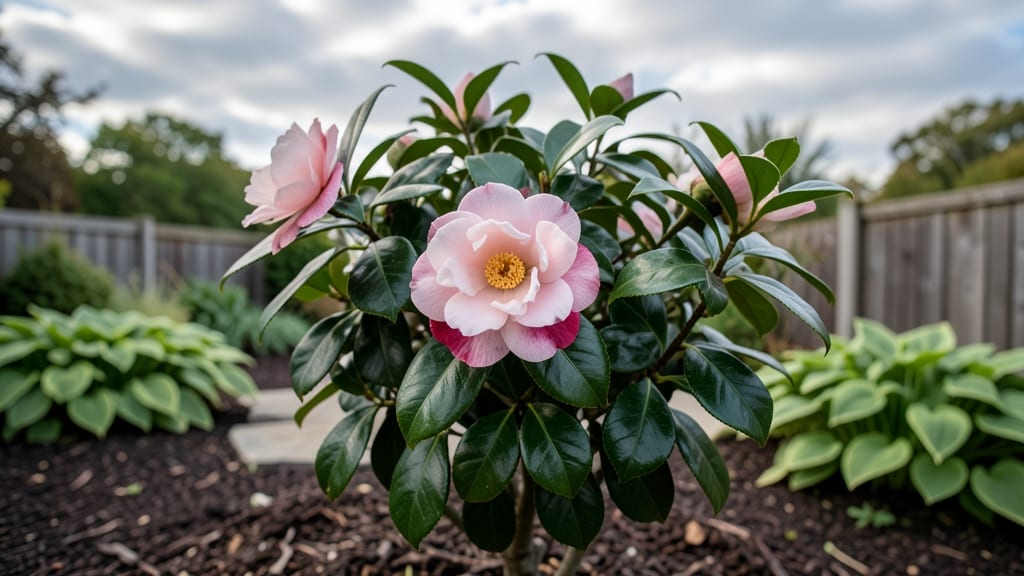
The botanical gardens in Gainesville showcase Florida’s biodiversity through native flora, tropical species, and seasonal blooms, all accessible via free admission and self-guided trails perfect for families.
The Gainesville Botanical Gardens stand out for their eclectic plant diversity, blending native Florida species like palmetto palms and sabal palms with exotic tropical plants that thrive in the region's humid climate. 🌿 This mix isn't just visually stunning—it also supports local conservation efforts by preserving endangered native plants while showcasing how different species adapt to Florida's unique environment.
The gardens' free access makes them an ideal spot for both casual strollers and plant enthusiasts looking to learn about Florida's rich botanical heritage.
Beyond the plant collections, the gardens offer seasonal highlights like vibrant orchids in spring and lush ferns during the rainy season, creating ever-changing landscapes throughout the year. Whether you're a local or visitor, the self-guided trails provide an immersive experience without the need for guided tours.
Plus, the gardens' location makes them a convenient stop for those exploring Gainesville's other natural attractions.
💡 In This Article
- Exploring Gainesville’s Unique Plant Ecosystems
- Best Times and Tips for Visiting Gainesville Botanical Gardens
Exploring Gainesville’s unique plant ecosystems
The Gainesville Botanical Gardens serve as a living laboratory for Florida's botanical diversity, where you can walk through ecosystems that range from native Florida scrub to tropical rainforest microclimates.
The gardens carefully curate over 300 species of plants, including rare native orchids like the Florida ghost orchid (Dendrophylax lindenii), which thrives in the humid, shaded conditions.
This species is particularly fascinating because its translucent white blooms only appear for a few weeks each year, making it a seasonal highlight that attracts serious plant enthusiasts.
What makes this collection so remarkable is how it demonstrates Florida's unique climate adaptation. For example, the sabal palm (Sabal palmetto), Florida's state tree, grows alongside West Indian mahoganies (Swietenia mahagoni), showcasing how different species coexist in the same environment.
The gardens' conservation programs focus on preserving native plants like the Florida torreya (Torreya taxifolia), an endangered species with fan-shaped leaves that thrive in the gardens' shaded understory. These conservation efforts help maintain genetic diversity while educating visitors about Florida's fragile ecosystems.
The tropical section is another standout, featuring palms from around the world like the coconut palm (Cocos nucifera) and Mexican fan palm (Washingtonia robusta), which reach heights of 50-70 feet in ideal conditions.
These towering plants create dramatic backdrops for photography and provide shade that supports smaller tropical species like hibiscus and bird-of-paradise flowers.
The gardens' layout mimics natural habitats, so you'll find wetland areas with cypress trees alongside dryland collections of yuccas and agaves, demonstrating how plants thrive in different moisture levels.
Seasonal changes transform the gardens into a dynamic experience. In spring, orchids and bromeliads explode with color, while summer brings lush ferns and vibrant tropical fruits like mangoes and papayas. Autumn showcases native wildflowers and falling palm fronds, while winter reveals evergreen palms and cycads that stay green year-round.
This ever-changing landscape ensures that no two visits feel the same, making it a perfect destination for both casual visitors and plant scientists studying Florida's unique flora.
One of the most interesting aspects is how the gardens bridge conservation with education. Signage throughout the trails explains each plant's ecological role, historical significance, and conservation status.
For instance, the Florida royal palm (Roystonea regia) is highlighted for its importance in Florida's history, while invasive species like melaleuca trees are marked to educate visitors about ecological threats. This hands-on learning approach makes the gardens more than just a pretty walk—it's an interactive classroom about Florida's natural world.
For those curious about Florida's plant life, the gardens also host specialty collections like the palm collection with over 50 species and the fern house, a humid greenhouse featuring delicate ferns from around the globe.
These focused displays allow visitors to compare similar species side by side, deepening their understanding of plant diversity.
Whether you're admiring the giant leaves of the traveler's palm (Ravenala madagascariensis) or the intricate blooms of a native Florida azalea (Rhododendron austrinum), every plant tells a story about Florida's complex ecosystems.