
Container Gardens
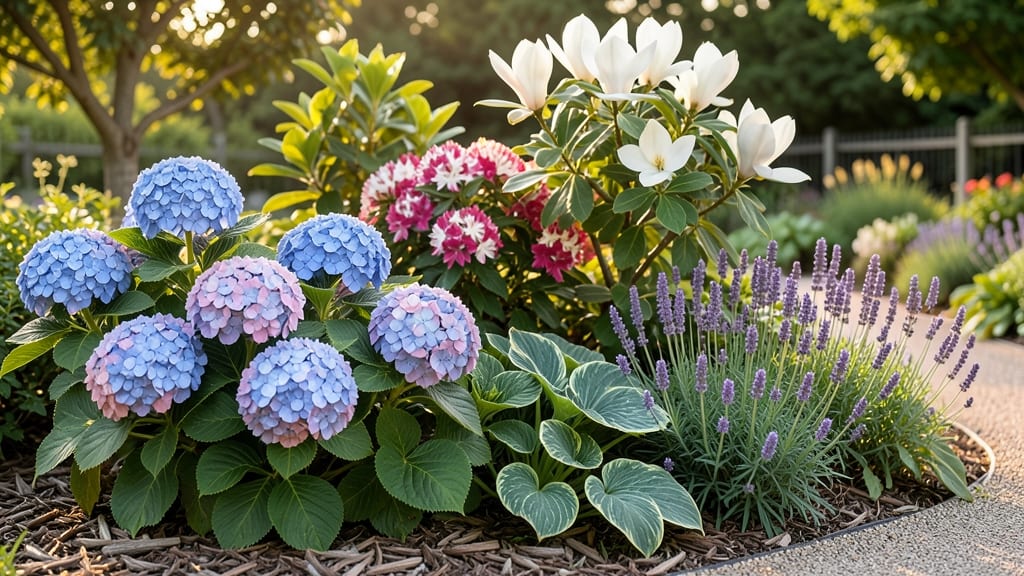
Nearby botanical gardens provide peaceful retreats filled with exotic and native plants, including rare orchids and vibrant wildflowers, plus curated exhibits, guided walks, and ever-changing seasonal displays tailored for both gardening lovers and casual explorers.
These green spaces go beyond pretty scenery—they're living classrooms where you can spot endangered species, learn about sustainable gardening, and even pick up propagation tips. 🌿 Many host free workshops on everything from composting to identifying local pollinators, making them perfect for both beginners and seasoned green thumbs.
I always check their event calendars before visiting, as some gardens offer night tours during peak bloom seasons that reveal entirely different plant behaviors under moonlight.
What sets them apart is their focus on conservation through education. You'll often find research plots where scientists study plant resilience to climate change, or community gardens where volunteers grow food for local food banks.
These dual purposes make each visit both relaxing and meaningful—whether you're there to snap photos of the Japanese maples or volunteer for a habitat restoration day.
💡 In This Article
- What Makes Nearby Botanical Gardens Unique?
- Planning Your Visit: Tips for Exploring Local Botanical Gardens
What makes nearby botanical gardens unique?
Local botanical gardens stand out because they blend scientific research with public enjoyment. Many maintain specialized collections like 10,000+ accessions of native plants, including rare species that might not thrive in home gardens.
For example, the conservatory collections often feature plants from specific biomes—like tropical orchids from Costa Rica's cloud forests or drought-resistant succulents from Madagascar—that showcase how plants adapt to extreme environments. 🌱 These collections aren't just decorative; they serve as living laboratories where horticulturists study plant genetics to develop disease-resistant varieties.
The seasonal displays transform these gardens into ever-changing canvases. In spring, you'll find 20+ varieties of tulips arranged in geometric patterns, while summer brings night-blooming cereus cacti that open only after sunset, revealing their dramatic white flowers.
Winter often features holly collections with 50+ cultivars, showcasing the range of leaf shapes and berry colors. The timing of these displays aligns with pollinator migration patterns, creating synchronized blooms that attract bees and butterflies in waves throughout the year.
What truly sets them apart is their conservation mission. Many gardens participate in global seed banks and endangered species recovery programs, like propagating Franklin's bumblebee (one of North America's rarest pollinators).
You'll often see signs marking restoration zones where native grasses and wildflowers are replanted to create habitat corridors for local wildlife. Some gardens even host citizen science projects where visitors can help track plant diseases or monitor butterfly populations through simple data collection tools.
The educational programming turns passive observation into active learning. Workshops on composting techniques might demonstrate how kitchen scraps break down in 4-6 weeks using red wigglers, while propagation classes teach how to grow new plants from just a leaf cutting.
The gardens often partner with local schools to create outdoor classrooms where students can measure soil pH or track plant growth over months. These programs make complex ecological concepts tangible—like seeing how mycorrhizal fungi in the soil help plants absorb nutrients 10 times more efficiently.
Don't overlook the sensory experiences these gardens offer. The fragrance gardens often feature 100+ aromatic plants, including lemon verbena (with its citrusy scent) and night-scented stock that releases its perfume after dark.
The textural contrast garden might include velvety lamb's ear, spiky sea holly, and smooth hosta leaves to demonstrate how different plant surfaces interact with touch and weather. These multi-sensory elements make each visit memorable while subtly teaching about plant adaptations.
The research aspect often surprises visitors. Many gardens maintain living plant databases where every specimen is tagged with its scientific name, origin, and growing conditions. Some even have climate-controlled growth chambers that simulate conditions from different elevations—like replicating the 18,000-foot altitude of the Andes to study how potatoes adapt.
This research directly benefits local gardeners through free workshops on climate-adapted planting or pest-resistant varieties developed from garden collections.