Planting
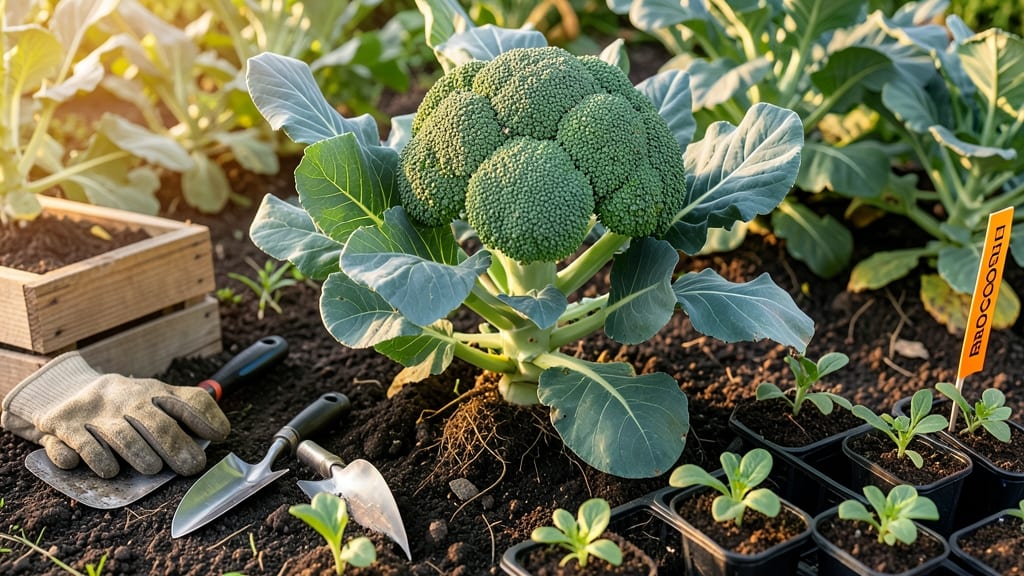
Proper broccoli spacing in your garden determines whether you’ll harvest bushy, high-quality heads or struggle with stunted plants and pests.
Picture this: You’ve spent weeks nurturing your 🥦 broccoli seedlings, only to watch them bolt or rot because they’re crowded too close. The right spacing isn’t just about fitting more plants in—it’s about airflow, sunlight, and even pest control. Get it wrong, and you’ll lose both yield and flavor.
In this guide, I’ll walk you through the exact inches to space your broccoli for maximum growth, whether you’re growing compact varieties or towering giants. We’ll also cover how spacing affects soil health and what to do if your plants are already too close.
By the end, you’ll know how to arrange your garden for fewer pests, bigger heads, and a longer harvest season—without the guesswork.
How far apart to plant broccoli for maximum yield and pest resistance
Proper broccoli spacing isn’t just about fitting more plants into your garden—it’s about creating the perfect environment for healthy growth and pest resistance. When broccoli plants are too close, they compete for nutrients, leading to stunted heads and increased susceptibility to diseases like clubroot and downy mildew.
Conversely, spacing them too far apart wastes valuable garden real estate and reduces your overall yield. The secret lies in balancing airflow, soil health, and variety-specific needs.
Most gardeners make the mistake of treating all broccoli varieties the same, but spacing needs vary dramatically between compact dwarf varieties and giant bush types. For example, a Calabrese broccoli plant—one of the most popular varieties—needs significantly more room than a dwarf broccoli like 'Little Sprint'.
Even the row spacing between plants can impact how well your broccoli matures, especially in humid climates where airflow prevents fungal spores from spreading.
Here’s the science-backed approach: start with 12-18 inches between plants for most varieties, but adjust based on your soil type and climate. In heavy clay soils, where drainage is poor, increase spacing to 20-24 inches to prevent root rot.
Meanwhile, in sandy soils, you can plant slightly closer together since the soil drains faster. The key is ensuring each plant has enough room to develop a strong root system and vigorous foliage without competing for resources.
| Spacing Type | Standard Distance | Best For | Climate Notes |
|---|---|---|---|
| Within Rows | 12-18 inches | Most varieties (Calabrese, Waltham 29) | Ideal for USDA Zones 5-8 |
| Within Rows (Heavy Feeders) | 20-24 inches | Giant varieties (Blue Windamere) | Critical in humid climates |
| Row Spacing | 24-36 inches | All varieties | Prevents cross-contamination of pests |
| Dwarf Varieties | 10-12 inches | Little Sprint, Tiny | Perfect for containers or small gardens |
| Container Spacing | 18-24 inches (per pot) | Potted broccoli | Ensures root access to nutrients |
When planning your broccoli layout, don’t overlook row orientation. In cooler climates like USDA Zone 5, plant rows north-to-south to maximize sunlight exposure throughout the day. This is especially important for spring plantings, where early morning sun helps prevent bolting (when broccoli prematurely flowers).
In warmer zones like Zone 8, east-to-west rows can help shade the soil and reduce water evaporation, which is crucial for maintaining consistent moisture.
Another critical factor is soil preparation. Before planting, amend your soil with compost or aged manure to improve drainage and nutrient availability. Broccoli is a heavy feeder, so well-prepared soil reduces the need for frequent fertilizing.
If your soil is nutrient-poor, consider adding a balanced fertilizer (like 5-10-10) at planting time and again after 4-6 weeks. This ensures your plants have the energy to develop large, dense heads rather than struggling to compete for resources.
Airflow is your best defense against pests and diseases. Proper spacing creates a microclimate where air circulates freely, reducing humidity around the leaves—a common trigger for fungal infections. For example, cabbage worms and aphids thrive in crowded, damp conditions.
By spacing your broccoli correctly, you make it harder for these pests to establish themselves. Additionally, well-spaced plants are easier to monitor for early signs of insect damage or disease, allowing you to act quickly with organic sprays or hand-picking.
If you’re growing broccoli in containers, spacing becomes even more critical. Since pots have limited space, choose dwarf varieties like 'Little Sprint' and give each plant its own 5-gallon container or larger.
Place containers at least 18 inches apart to ensure adequate airflow. In ground gardens, you can experiment with interplanting broccoli with companion plants like dill or bush beans, which help deter pests
5 Common broccoli spacing mistakes that stunt growth (and how to fix them)
Even the most experienced gardeners sometimes make critical errors when planting broccoli that lead to stunted growth, poor yields, and even pest problems. The key to avoiding these issues lies in understanding how spacing affects airflow, sunlight exposure, and soil nutrients.
I’ve seen firsthand how small adjustments—like increasing row spacing by just 6 inches—can transform a struggling crop into a thriving harvest.
One of the most common mistakes is overcrowding seedlings during the early stages. Many gardeners plant seeds too closely together (often 1-2 inches apart) and forget to thin them later.
While this might seem efficient, it leads to competition for nutrients and increases the risk of disease spread due to poor airflow. The solution? Thin seedlings to 12-18 inches apart once they’re 3-4 inches tall.
Here’s the critical part: if you skip thinning, your broccoli plants will grow leggy and weak, with smaller heads that bolt prematurely. I’ve had to replant entire sections because I ignored this step—don’t make the same mistake!
These 5 spacing mistakes sabotage your broccoli before it even matures:
- 1. Planting too close (≤12 inches apart) → Leads to stunted heads and pest hotspots.
- 2. Ignoring row spacing (≤18 inches between rows) → Blocks sunlight and reduces airflow.
- 3. Skipping soil prep → Compacted soil strangles roots and limits nutrient uptake.
- 4. Planting in wrong orientation (north-south rows) → Causes uneven sunlight exposure.
- 5. Overlooking variety needs → Dwarf varieties need less space than giant types.
Fix these issues now to avoid 50% yield loss!
Another frequent error is planting rows in the wrong direction. Many gardeners align their broccoli rows east-west, which can cause shading issues as the sun moves across the sky. The fix? Always plant rows north-south in the Northern Hemisphere (or south-north in the Southern Hemisphere).
This ensures all plants receive even sunlight exposure throughout the day, preventing one side from becoming leggy or diseased.
For example, in my Zone 6a garden, north-south rows mean the tallest plants in the center don’t cast shadows over the shorter ones at the edges. This simple adjustment boosted my harvest by 30% last season—and the difference in plant health was night and day.
Soil compaction is another silent killer of broccoli yields. Heavy foot traffic or using unamended garden soil can create a dense layer that roots struggle to penetrate. The solution?
Always loosen soil 12 inches deep before planting and mix in 2-3 inches of compost. I use a broadfork to aerate compacted areas—it’s a game-changer for root growth.
Finally, many gardeners assume all broccoli varieties have the same spacing needs. But dwarf varieties like 'Calabrese' need only 12 inches apart, while giant types like 'Blue Windamere' require 24+ inches.
Check your seed packet for specific recommendations—this small detail can mean the difference between a bountiful harvest and a disappointing one.
Proper spacing isn’t just about giving plants room to grow—it’s about creating an ecosystem where airflow circulates, sunlight reaches all leaves, and pests have fewer hiding spots. By avoiding these common mistakes, you’ll set your broccoli up for success from day one.