
Fertilization
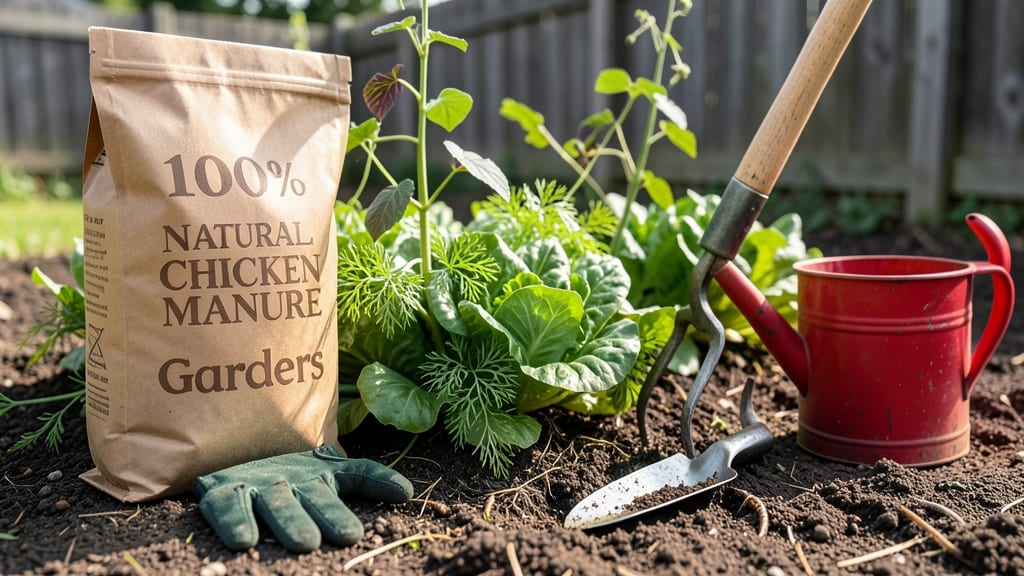
Using chicken manure fertilizer for gardens is one of the fastest ways to give your plants a nutrient boost without spending a fortune.
Picture this: you’ve spent hours prepping your soil, only to watch your tomatoes and greens grow sluggishly because the nutrients just aren’t cutting it. That’s where aged chicken manure comes in—packed with nitrogen, phosphorus, and potassium, it’s a powerhouse for leafy crops, flowers, and root vegetables.
But here’s the catch: fresh manure can burn your plants if you’re not careful.
In this guide, I’ll walk you through how to prep chicken manure fertilizer safely, when to apply it for the best results, and which plants will thrive with its rich nutrients.
You’ll also learn how to avoid common mistakes, like over-fertilizing or attracting pests, so you can turn your garden into a high-yielding paradise.
Whether you’re a beginner or a seasoned gardener looking to cut costs, this step-by-step approach will help you harness the full potential of chicken manure fertilizer—without the guesswork.
How to use chicken manure fertilizer for maximum garden growth
If you're looking for a natural, nutrient-rich way to supercharge your garden without synthetic chemicals, chicken manure fertilizer is a game-changer. Packed with nitrogen, phosphorus, and potassium, it helps plants grow faster and produce bigger harvests—but only if used correctly.
The key lies in proper aging, application timing, and dilution to avoid burning delicate roots. Whether you're a beginner or seasoned gardener, mastering these techniques will transform your soil into a powerhouse for leafy greens, tomatoes, and corn.
Before diving in, remember: fresh chicken manure is too potent for most plants. It needs time to break down into a safer, more stable form. The good news? With the right methods—like composting, soil mixing, or liquid fertilizer—you can unlock its full potential while keeping your garden thriving.
Let’s break down the step-by-step process so you can apply it like a pro, no matter your garden size or plant type.
Step-by-Step Guide to Using Chicken Manure Fertilizer
-
Step 1: Age the Manure (3-6 Months)
Pile fresh chicken manure in a compost bin or open heap. Turn it every 2-3 weeks to speed up decomposition. After 3-6 months, it’ll be dark, crumbly, and safe to use.
-
Step 2: Choose Your Application Method
- Soil Mixing: Work 1-2 cups per 10 sqft into the top 6 inches of soil before planting.
- Top Dressing: Sprinkle ½ cup per plant around the base, then water deeply.
- Liquid Fertilizer: Steep 1 part aged manure in 5 parts water for 24-48 hours, then strain and dilute to 1:10 ratio for foliar sprays.
-
Step 3: Apply at the Right Time
For spring planting, mix aged manure into the soil 2-4 weeks before sowing seeds. In fall, apply lightly to nourish soil for next year’s crops. Avoid using it during active flowering to prevent excess leafy growth at the expense of fruits.
-
Step 4: Dilute for Sensitive Plants
For seedlings, herbs, or container plants, dilute liquid manure to 1:20 ratio to avoid root burn. Always water the soil before and after applying to help distribute nutrients evenly.
-
Step 5: Monitor and Reapply
Reapply every 4-6 weeks during the growing season, but reduce frequency in late summer to avoid over-fertilizing. Watch for yellowing leaves or wilting, which may signal overapplication.
Timing is everything when it comes to chicken manure fertilizer. For spring gardens, apply it in early spring to give plants a nutrient boost as they emerge. This is especially helpful for heavy feeders like tomatoes, peppers, and corn, which thrive on nitrogen-rich soil.
In fall, a light application helps replenish nutrients for next year’s crops, while also improving soil structure over winter. Just avoid applying it too close to harvest—aim for at least 30 days before picking to ensure safety.
One of the biggest mistakes gardeners make is using fresh, unaged manure. Fresh chicken manure can scorch plant roots due to its high ammonia content and heat buildup during decomposition. Always compost it first or age it in a pile for at least 3 months.
You’ll know it’s ready when it smells earthy (not pungent) and looks dark brown or black. For an extra safety net, mix it with straw or wood chips to further dilute its potency.
For container gardens, use chicken manure sparingly. Since pots have limited space, overloading them with nutrients can lead to salt buildup and root damage. A good rule of thumb is to mix ½ cup of aged manure per 5-gallon container and reapply only once during the growing season.
Pair it with compost or worm castings to balance its high nitrogen content with other essential minerals.
If you’re making a liquid fertilizer tea, follow this simple ratio: 1 part aged manure to 5 parts water. Let it steep for 24-48 hours, stirring occasionally, then strain out solids.
For most plants, dilute this tea to 1:10 ratio (1 part tea to 10 parts water) before applying. This method is ideal for foliar feeding or watering established plants, as it delivers nutrients quickly without overwhelming the soil.
Don’t forget to test your soil before applying chicken manure. If your soil is already high in nitrogen (common in lawns or heavily fertilized gardens), you might not need much. A simple soil test kit from your local garden center can help you determine the right balance.
For most vegetable gardens, a light application every 6 weeks is sufficient, while heavy feeders like corn may benefit from monthly top dressings.
When used correctly, chicken manure fertilizer can transform your garden into a lush, productive paradise. It’s a cost-effective, eco-friendly way to boost growth, improve soil health, and reduce the need for synthetic fertilizers.
Just remember: patience and proper aging are key. Start with small batches, monitor your plants closely, and adjust your approach based on their response. Your garden—and your wallet—will thank you!
Chicken manure fertilizer benefits vs risks: what you need to know
Chicken manure fertilizer is one of the most powerful organic amendments for your garden, delivering 2-4% nitrogen along with phosphorus and potassium. This nutrient trifecta makes it ideal for leafy greens, tomatoes, and corn, which all respond dramatically to its rich composition.
The key lies in its high nitrogen content, which promotes rapid foliage growth and vibrant plant development.
But here's the catch: fresh chicken manure can release ammonia fumes that burn plant roots and foliage, while also harboring weed seeds that may sprout in your garden beds. The balance between its benefits and risks depends entirely on how you prepare and apply it.
Let's break down the pros and cons so you can make an informed decision for your garden's health.
- ✅ Rich in nitrogen (2-4%) for leafy growth
- ✅ Improves soil structure over time
- ✅ Cost-effective alternative to synthetic fertilizers
- ✅ Supports composting when properly aged
- ✅ Enhances microbial activity in soil
- ⚠️ Burn risk with fresh manure
- ⚠️ Weed seeds may contaminate garden
- ⚠️ Ammonia fumes can harm plants
- ⚠️ Requires aging (3-6 months minimum)
- ⚠️ Strong odor during decomposition
The benefits of chicken manure become clear when you consider its impact on nutrient-hungry crops.
For example, tomatoes and peppers thrive with its nitrogen boost, producing larger yields with fewer blossom-end rot issues. Leafy greens like spinach and kale grow lush and fast, while corn benefits from its phosphorus content for stronger root development.
The key is using aged manure—composted for at least 3-6 months—to eliminate risks while maximizing benefits.
However, the risks can't be ignored. Fresh chicken manure contains high ammonia levels that can scorch plant roots and leaves, stunting growth rather than promoting it. Additionally, the manure often contains weed seeds that may sprout in your garden beds, requiring extra weeding efforts.
To mitigate these risks, always compost the manure before applying it to your garden, and consider double-bagging it during the aging process to prevent weed seed spread.
For safety, I recommend applying aged chicken manure in the spring or fall when plants are actively growing but not under stress from extreme heat. Mix it into the top 2-3 inches of soil rather than applying it directly to plant bases, which can concentrate the nutrients and cause burn.
Always wear a mask when handling to avoid inhaling ammonia fumes, and keep it away from water sources to prevent runoff.
If you're growing delicate plants like lettuce or herbs, consider using chicken manure as a compost additive rather than a direct soil amendment. This dilutes its potency while still providing the benefits.
For root crops like carrots or potatoes, use it sparingly—the high nitrogen can lead to excessive foliage at the expense of root development. Always monitor your plants after application for signs of stress or over-fertilization.
In summary, chicken manure fertilizer is a gardener's dream when used correctly—offering organic nutrients, improved soil health, and cost savings. But its risks—burn potential, weed seeds, and ammonia fumes—require careful handling.
By aging it properly, applying it strategically, and monitoring your plants, you can unlock its full potential without the pitfalls. Start with small batches to test your garden's response, and soon you'll be reaping the rewards of this powerful organic fertilizer.