
Vegetables
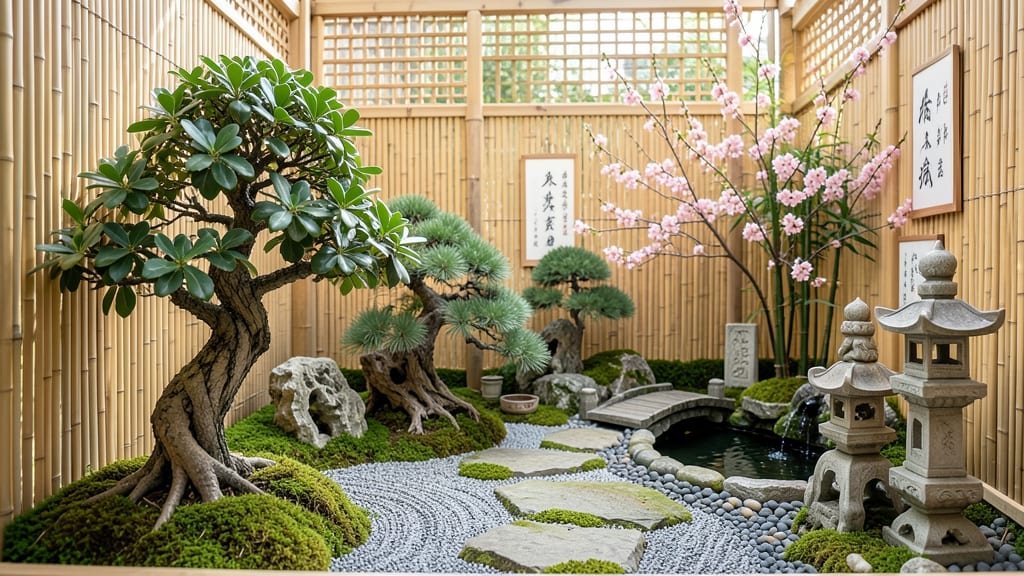
The Chinese Scholar Garden in Staten Island recreates tranquil classical Chinese landscapes featuring carefully arranged rock formations, serene koi ponds, and meticulously curated plant collections that embody scholarly harmony. This meticulously designed garden invites visitors to wander through pavilions, stone bridges, and lush botanical displays blending centuries-old horticultural traditions with natural beauty.
The Chinese Scholar Garden in Staten Island stands as a meticulously crafted tribute to traditional Chinese landscape design principles. 🌿 Unlike conventional gardens, this one prioritizes asymmetrical balance and natural elements like flowing water and carefully placed rocks to create a sense of peaceful contemplation.
The garden's layout reflects core Chinese philosophical concepts, where every feature—from the winding pathways to the reflective pools—serves both aesthetic and symbolic purposes.
What makes this garden particularly special is its seasonal transformation. During spring, delicate cherry blossoms frame the pathways, while late summer showcases vibrant bamboo groves and exotic flowering trees.
The garden's design also incorporates practical visitor-friendly elements, including accessible entry points and shaded rest areas, making it an ideal destination for both casual strollers and photography enthusiasts.
For those planning a visit, timing matters—spring and early fall offer the most vibrant plant displays, while weekdays tend to be less crowded. The garden's proximity to Staten Island's cultural attractions makes it a perfect addition to any exploration of the borough's diverse offerings.
💡 In This Article
- How Chinese Scholar Garden Design Reflects Classical Horticulture Principles
- Best Times and Tips for Visiting Staten Island’s Chinese Scholar Garden
How Chinese scholar garden design reflects classical horticulture principles
Chinese Scholar Gardens like the one in Staten Island embody centuries-old horticultural philosophy where every element serves both aesthetic and symbolic purposes. The design follows the concept of "borrowed scenery" (借景), where natural features are integrated to create a sense of limitless space within confined areas.
For example, the garden's carefully placed rock formations aren't just decorative—they're strategically positioned to represent mountains, symbolizing stability and connection to nature's grandeur.
The garden's layout demonstrates the principle of "yin-yang balance" through water features like koi ponds that create tranquil reflections. These ponds serve multiple purposes: they provide visual symmetry, support aquatic life (the koi represent prosperity), and create cooling microclimates that enhance plant health.
The water's gentle movement also mimics natural rivers, reinforcing the harmony with nature. 🌊 The pavilions scattered throughout follow traditional Chinese architecture with curved eaves and wooden latticework, designed to frame views while offering shaded resting spots.
Plant selection follows strict seasonal considerations—spring features delicate cherry blossoms (symbolizing renewal) while autumn showcases vibrant maples (representing resilience). The garden's meticulous plant arrangements follow the "three friends of winter" principle (pine, bamboo, plum blossom) that remain evergreen or bloom in cold months, demonstrating nature's perseverance.
Unlike Western gardens that often prioritize straight lines, Chinese Scholar Gardens use winding paths that encourage contemplative movement, inviting visitors to experience the space gradually.
What makes this design particularly sophisticated is the integration of "feng shui" principles where energy flow (qi) is optimized.
The garden's layout creates gentle curves rather than sharp angles to prevent qi from stagnating, while the placement of trees and rocks follows natural landforms to create a sense of organic flow.
The pavilions are positioned to capture specific views—like distant mountains or water features—at key moments along the walking paths, ensuring each visitor encounters carefully curated perspectives.
The rock formations themselves are often arranged in "three peaks" formations, symbolizing heaven, earth, and humanity's connection to both. These formations are typically made from carefully selected stones with irregular shapes that represent natural beauty rather than perfection.
The garden's plant palette includes both native species (like Japanese maples) and exotic imports (such as Chinese wisteria), creating a harmonious blend that reflects the scholar's appreciation for both local and distant knowledge.
This design philosophy extends to the garden's maintenance practices where pruning follows natural growth patterns rather than geometric shapes. The result is a living landscape that evolves with seasons while maintaining its symbolic integrity.
For visitors, this means experiencing a garden that feels both timeless and alive—where every stone, plant, and water feature tells a story of cultural heritage and natural harmony. 🌿