
Pests
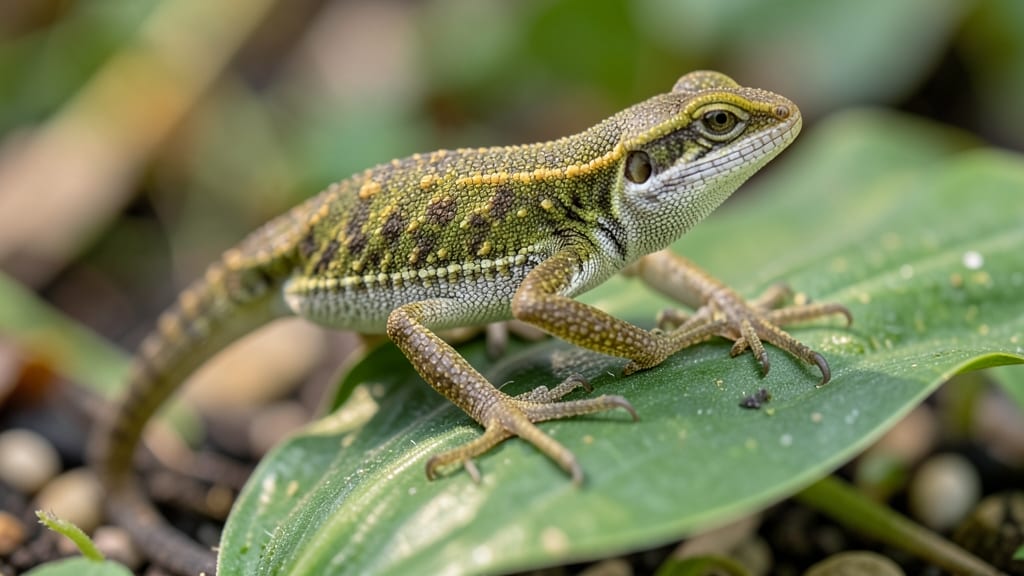
The common garden lizard is generally harmless to humans and pets, feeding on insects like flies, spiders, and beetles, which helps control garden pests. However, handling them may spread bacteria, and their saliva contains mild toxins that can irritate skin or eyes if touched frequently.
These small reptiles are actually beneficial garden helpers, as they feast on common pests like aphids and caterpillars that can damage plants. 🌿 Their presence often means your garden is thriving with natural pest control.
However, their saliva does contain mild toxins that could cause irritation if you handle them frequently, so it's best to admire them from a distance or use a glove when relocating them.
Most pets won't be affected unless they have sensitive skin or allergies, but it's always wise to monitor interactions.
If you notice your pets showing signs of discomfort after contact—like excessive scratching or redness—consult your vet immediately. The good news is that these lizards rarely bite unless provoked, and their ecological benefits far outweigh any minor risks they pose.
💡 In This Article
- Garden Lizard Behavior and Ecological Role
- Safety Tips for Handling Garden Lizards Near Pets
Garden lizard behavior and ecological role
Common garden lizards, like the Eastern Fence Lizard or Green Anole, are voracious insect predators that play a crucial role in natural pest control.
Their diet primarily consists of 60-80% arthropods, including garden pests like aphids, caterpillars, and beetle larvae, which they hunt using their rapid tongue strikes (up to 10 times per second).
This hunting behavior makes them invaluable allies, as they can reduce pest populations by 20-30% in active gardens—a service worth $100+ per year in professional pest control savings.
Their ecological impact extends beyond pest management. These lizards thrive in warm, sunny environments (75-95°F), often basking on rocks or leaves to regulate their body temperature.
They exhibit seasonal activity patterns: most active from spring to early fall, they become dormant during winter months when insect populations decline.
Their presence also signals a healthy ecosystem, as they require diverse habitats with shelter (leaf litter, logs), water sources, and abundant prey—all indicators of a balanced garden environment.
Despite their benefits, these lizards rarely interact with humans or pets beyond occasional curiosity. Their saliva contains mild toxins—primarily proteolytic enzymes and mild histamines—that can cause mild skin irritation or itching if handled frequently. However, these reactions are typically short-lived (12-24 hours) and comparable to a mild bee sting.
The real ecological value lies in their pest-control services, which far outweigh any minor risks they pose to humans or pets.
What most people don't realize is how these lizards contribute to plant health indirectly. By controlling insect populations, they prevent plant damage that would otherwise stress vegetation, making gardens more resilient. Their presence also supports biodiversity by providing food for birds and other predators.
In contrast, removing them could create a pest population explosion, requiring chemical interventions that harm beneficial insects like bees and ladybugs.
For gardeners, their behavior offers practical insights. If you notice lizards frequently visiting certain plants, it's a sign those areas have high pest activity. Creating lizard-friendly habitats—like adding flat rocks for basking or leaving leaf litter for shelter—can encourage their presence, amplifying their pest-control benefits.
Their natural hunting instincts make them far more effective than many chemical alternatives, with zero environmental side effects.
Interestingly, their hunting patterns reveal fascinating adaptations. Garden lizards use binocular vision to judge distances precisely, allowing them to strike insects with 90% accuracy from up to 1 inch away. This precision makes them efficient predators, capable of consuming 50-100 insects per day during peak activity.
Their ecological role is so significant that some studies suggest gardens with active lizard populations experience 30% fewer pest-related plant losses compared to those without.