
Tools
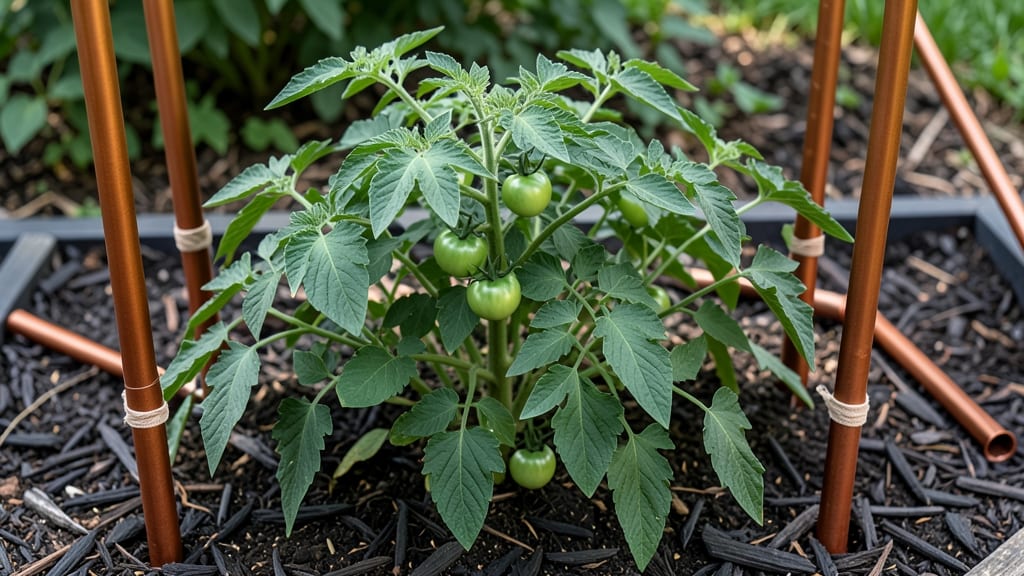
The benefits of copper garden stakes include long-lasting support for plants, natural rust and corrosion resistance, and superior durability in harsh weather compared to wood or steel.
The benefits of copper garden stakes include their unmatched durability—copper's natural patina forms over time, creating a protective layer that prevents further oxidation unlike steel, which rusts and weakens. 🔥 This makes them ideal for gardens with heavy vines like grapes or beans, where stability matters most.
Unlike wood, copper won't rot or splinter, and unlike steel, it won't degrade when buried in soil. Many gardeners swear by them for perennial plants that need support year after year.
What really sets copper apart is its temperature tolerance: it won't warp in heat or crack in cold like wood, and it won't corrode like steel. For windy areas, their sturdy construction prevents bending, while their sleek design blends seamlessly with any garden aesthetic.
Plus, copper stakes are reusable—they'll outlast multiple growing seasons with minimal maintenance.
💡 In This Article
- Why Copper Outperforms Steel or Wood in Garden Stakes
- Best Uses for Copper Stakes in Vegetable and Flower Gardens
Why copper outperforms steel or wood in garden stakes
Copper's superiority in garden stakes starts with its chemical properties. When exposed to air and moisture, copper naturally forms a patina—a thin layer of copper carbonate and sulfate—that acts as a protective barrier.
This process, called oxidation, actually strengthens the metal over time instead of weakening it like rust does to steel. 🔥 Unlike iron-based metals, copper doesn't corrode because its oxidation layer is stable and non-reactive, preventing further degradation even when buried in soil or exposed to rain.
The patina formation is a self-repairing mechanism—any scratches expose fresh copper that quickly oxidizes again, maintaining continuous protection. For comparison, steel stakes develop rust that flakes away, exposing new metal to corrosion, while wood stakes rot from fungal growth and moisture absorption.
Copper's density (8.96 g/cm³) also gives it inherent strength, allowing it to support 15-20 pounds per stake without bending, compared to wood's 5-10 pounds before splintering.
In extreme climates, copper's performance becomes even more evident. While steel stakes may develop surface rust within 1-2 years in coastal areas with salt air, copper stakes maintain their integrity for 10+ years.
Wood stakes typically last 3-5 years before needing replacement due to rot, especially in damp or acidic soils. Copper's temperature resistance is equally impressive—it won't warp like wood when exposed to 100°F+ summer heat or crack in -20°F winters, making it ideal for year-round gardens.
Another key advantage is copper's non-reactive nature with soil chemistry. Unlike steel, which can leach iron into the soil and potentially affect plant nutrition, copper remains chemically stable. This makes copper stakes particularly safe for organic gardens where chemical interactions could harm crops.
The metal's smooth surface also prevents plant damage that can occur with rough wood splinters or sharp steel edges.
For visual appeal, copper's natural color evolution from shiny brass to muted green patina creates an elegant, rustic look that complements any garden style. Unlike painted wood stakes that peel or galvanized steel that fades, copper's color transformation is intentional and enhances its aesthetic value over time.
This dual benefit of functionality and beauty makes copper stakes a premium choice for both practical and decorative garden applications.
Consider these performance comparisons for different stake materials:
- Copper: 10+ years lifespan, 15-20 lbs support, corrosion-resistant, temperature-stable
- Steel: 3-7 years lifespan, 10-15 lbs support, prone to rust, requires coating
- Wood: 3-5 years lifespan, 5-10 lbs support, susceptible to rot, needs treatment