
Featured
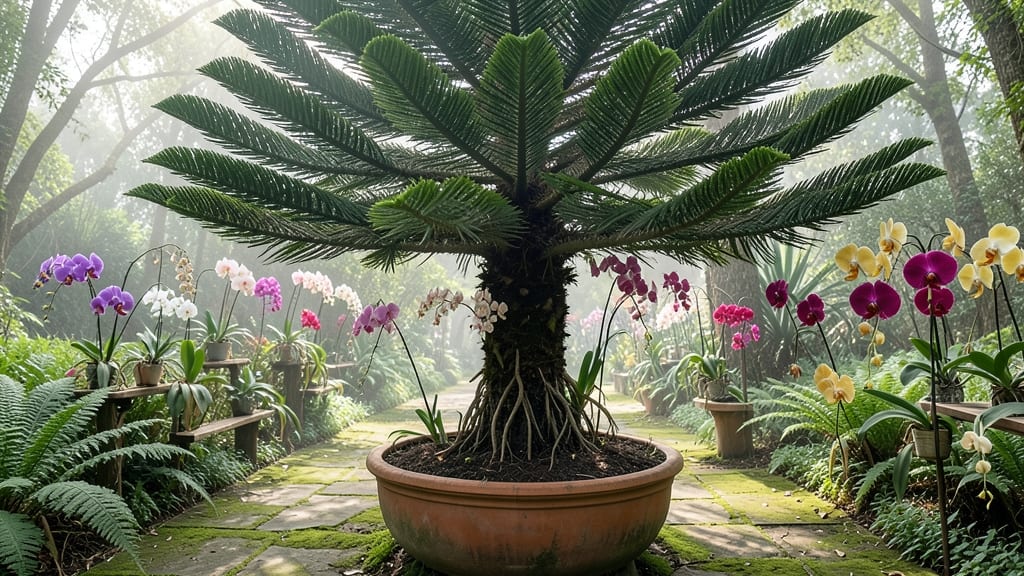
Curitiba Botanical Garden is Brazil's premier green sanctuary, featuring over 7,000 plant species across 42 hectares of meticulously curated landscapes that showcase native Brazilian flora alongside global botanical wonders.
This UNESCO-listed garden isn't just a visual feast—it's a living laboratory where conservation meets education. 🌿 The collection includes over 200 orchid species, some critically endangered, alongside native palms and bromeliads that thrive in Curitiba's subtropical climate.
What makes it special is how the garden bridges science and beauty, with climate-controlled greenhouses preserving tropical plants year-round while open-air sections highlight Brazil's rich biodiversity.
The garden's design itself tells a story: winding paths guide visitors through themed sections like the Japanese Garden and Orchidarium, each offering unique perspectives on plant life. 🌸 Whether you're tracking rare species or simply enjoying the serene atmosphere, every corner reveals something new about Brazil's natural heritage.
💡 In This Article
- Exploring Curitiba Botanical Garden’s Biodiversity Hotspots
- Planning Your Visit: Tips for a Memorable Botanical Garden Experience
Exploring Curitiba botanical garden’s biodiversity hotspots
The garden's Orchidarium stands as its crown jewel, housing over 200 orchid species—including rare hybrids and critically endangered varieties like the Cattleya labiata, whose velvety purple blooms can reach 15 centimeters in diameter. 🌸 These plants thrive in the greenhouse's humidity-controlled environment (60-70%), mimicking their native tropical conditions while protecting them from Curitiba's seasonal temperature swings (10°C to 30°C).
The Japanese Garden within the complex adds another layer of biodiversity, featuring 120 plant species native to Japan, including maples and azaleas that transform the area into a vibrant autumn spectacle.
Native Brazilian flora dominates the open-air sections, where palm trees (like the Attalea phalerata) tower up to 25 meters, their fronds rustling in the subtropical breeze. The garden's conservation programs focus on endangered species like the Bromelia antiacantha, a striking blue-leaved bromeliad found only in southern Brazil.
These plants are cultivated using hydroponic techniques in specialized nurseries, ensuring genetic diversity is preserved. 🌿 The climate-controlled greenhouses play a crucial role here—maintaining 25-30°C temperatures and 80% humidity allows tropical species to flourish year-round, even during Curitiba's cooler winters.
What sets this garden apart is its ecological storytelling. Each section is designed to highlight Brazil's unique ecosystems—from the Atlantic Forest (home to rare ferns) to the Pantanal wetlands (represented by aquatic plants).
The sensory experience is intentional: the fragrance of night-blooming jasmine (Jasminum pubescens) wafts through the evening tours, while the textural contrast of velvety orchid petals against rough palm bark creates a tactile journey. 🌺 This approach makes conservation tangible, showing visitors how each plant plays a role in Brazil's delicate ecological balance.
The garden's research center further amplifies its biodiversity impact, where scientists study pollination patterns and disease resistance in native species. For example, the Euterpe edulis (açaí palm) is monitored for fungal threats that could devastate its populations.
These efforts extend beyond Brazil's borders—some species are shared with global botanical networks to create genetic backup collections. The result? A living archive of Brazil's natural heritage, where every plant has a story and a purpose.
Don't miss the seasonal blooms that transform the garden into a moving canvas.
In spring, hibiscus trees explode with 10-centimeter-wide flowers, while autumn brings red maple leaves that turn the Japanese Garden into a fiery spectacle. 🍁 These natural cycles remind visitors that biodiversity isn't static—it's a dynamic, ever-changing ecosystem worth protecting.
The garden's design ensures that even casual observers leave with a deeper appreciation for Brazil's plant life and the science behind its preservation.
For those who want to go deeper, the garden offers guided tours led by botanists who explain the interdependencies between species.
For instance, they'll show how hummingbirds pollinate certain orchids while ants protect bromeliads from pests—a microcosm of nature's intricate balance. 🐝 This hands-on education is what turns a visit into an unforgettable lesson in biodiversity.