
Pests
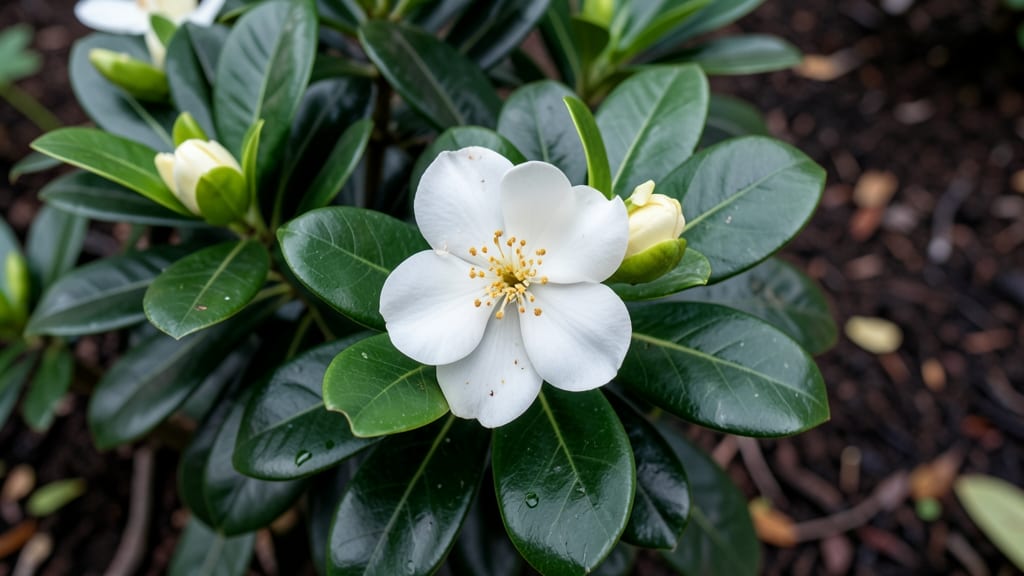
Deer eat gardenia plants, focusing on the tender leaves and stems, which can weaken or kill young shrubs if they're frequently browsed. Their interest peaks in colder months when other food becomes limited.
Gardenias rank as a secondary food source for deer, but their glossy leaves and soft stems make them an easy target when better options aren't available. 🌿 The damage disrupts photosynthesis, leaving plants vulnerable to stress or disease.
In my experience, gardenias in open landscapes or near wooded edges face higher risk—deer often patrol these transition zones where they can spot both food and cover.
Seasonal patterns matter too: while deer may nibble gardenias year-round, winter and early spring are peak times. This is when they rely more heavily on woody plants since grasses and clover are often dormant.
The good news? Gardenias are resilient—they can recover from light browsing, but repeated damage over time weakens their overall health.
💡 In This Article
- Why Deer Target Gardenia Plants and How It Affects Growth
- Effective Deer Deterrents for Protecting Gardenia Shrubs
Why deer target gardenia plants and how it affects growth
Deer are drawn to gardenia plants primarily because of their tender, moisture-rich leaves and stems. Gardenias contain compounds like tannins and essential oils that deer find palatable, especially when other food sources like clover or alfalfa are scarce.
The glossy, dark green foliage provides a visual cue for deer, signaling a potential food source. In studies, deer have been observed to prefer plants with high water content and soft textures, which gardenias offer—particularly during dry spells when their leaves remain juicy compared to drought-stressed alternatives.
The damage deer inflict isn’t just cosmetic. When deer browse gardenia leaves, they disrupt the plant’s ability to perform photosynthesis. Each leaf contains chlorophyll-rich cells that convert sunlight into energy, and removing even 30-40% of foliage can significantly reduce a gardenia’s growth rate.
Young shrubs are especially vulnerable, as their root systems aren’t yet established enough to support regrowth. Over time, repeated browsing can lead to stunted growth, weakened stems, and even death if the plant’s energy reserves are depleted.
Seasonal patterns play a critical role in deer feeding behavior. During winter, when deer rely more on woody plants and evergreens, gardenias become a more attractive option. Their evergreen nature makes them stand out in snow-covered landscapes, drawing deer to nibble on the accessible foliage.
In my experience, gardenias planted near wooded edges or transition zones between open fields and forests face higher risk, as deer use these areas for both feeding and cover.
Gardenias aren’t a deer’s first choice—they rank as a mid-preference browse. Deer typically prioritize plants like clover, soybeans, or fruit-bearing shrubs when available. However, gardenias’ soft stems and high moisture content make them an easy target when better options are limited.
This is why gardeners in deer-heavy areas often notice damage during late fall and early spring, when deer are most desperate for nutrition.
What makes gardenias resilient is their ability to regenerate. When lightly browsed, gardenias can recover by producing new leaves from lateral buds. However, heavy or repeated damage can exhaust the plant’s resources, leading to stress and susceptibility to pests or disease.
The key is monitoring deer activity and intervening early—before the damage becomes irreversible.
To understand the impact, consider this: a mature gardenia shrub can produce 50-100 new leaves per season under normal conditions. If deer remove 20-30 leaves per browsing session, the plant may struggle to keep up with its growth demands.
Over time, this imbalance weakens the shrub’s overall health and flowering capacity.