Light Requirements
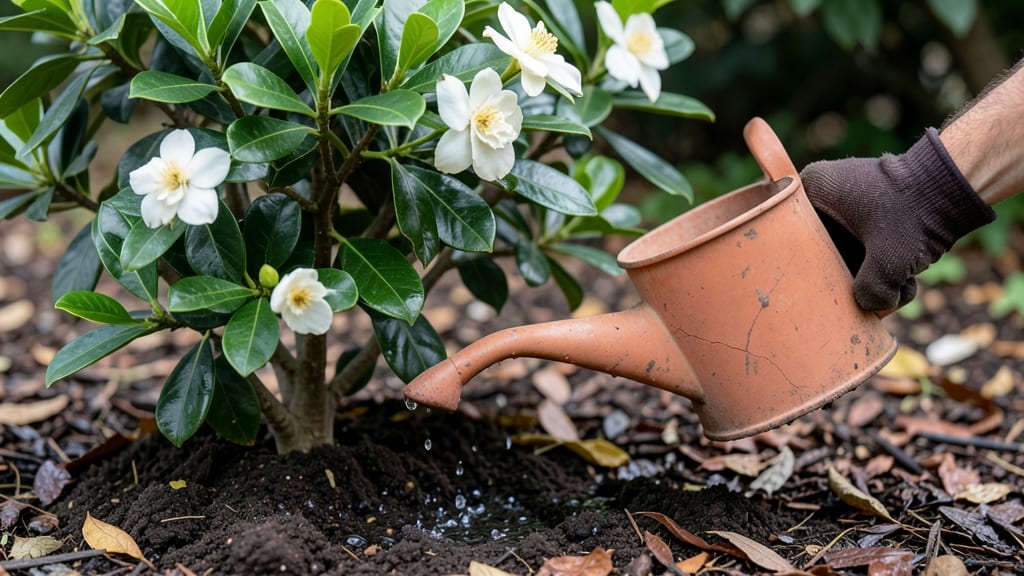
Do gardenias need a lot of water? They do—but only if you strike the perfect balance, as too much can drown their delicate roots 🌸 — here’s how to keep them thriving with fragrant blooms.
Picture this: you’ve spent weeks nurturing your gardenia, only for the leaves to yellow and the buds to drop before they even open. That’s the telltale sign of watering gone wrong, whether from overzealous soaking or letting the soil dry out completely.
These tropical beauties crave moist but not soggy soil, which means deep watering every 2-3 days in warm months and cutting back in cooler weather. The key is monitoring soil moisture—stick your finger an inch down, and if it feels dry, it’s time to water.
Below, I’ll walk you through the exact watering schedule, how to spot overwatering vs. underwatering, and the one trick that keeps your gardenias blooming all season without the guesswork.
How much water do gardenias really need? The science behind their soil moisture
If you've ever wondered do gardenias need a lot of water, the answer isn't as simple as a yes or no. These fragrant shrubs thrive on consistent moisture but despise soggy roots.
Gardenias are tropical plants that love humidity, but their water needs shift dramatically with seasonal changes and container vs. in-ground growing conditions. The key is understanding their root zone preferences—they need water to reach their deep roots while avoiding waterlogged soil that suffocates them.
Gardenias have a shallow but extensive root system that spreads horizontally. This means they benefit from deep, infrequent watering rather than light surface watering. When you water, aim for 1-1.5 inches of moisture per week during active growth (spring and summer).
In winter, reduce this to every 7-10 days unless you're in a humid climate. The goal is to keep the top 2-3 inches of soil consistently moist but never waterlogged.
| Season | Watering Frequency | Soil Moisture Goal | Key Tips |
|---|---|---|---|
| Spring | Every 2-3 days | Top 2" moist | Increase water as buds form |
| Summer | Daily (morning) | Top 3" moist | Mulch to retain moisture |
| Fall | Every 3-4 days | Top 1" moist | Reduce gradually |
| Winter | Every 7-10 days | Top 1" slightly dry | Avoid cold water |
| Potted Gardenias | Every 1-2 days | Even moisture | Use saucers for humidity |
The science of gardenia watering comes down to their native tropical habitat. In the wild, gardenias grow under canopy trees where they receive dappled sunlight and consistent humidity. Replicating this means keeping their soil evenly moist but well-draining.
A simple finger test works best: stick your finger 2 inches deep into the soil. If it feels dry, it's time to water. If it's damp, wait another day.
One common mistake is assuming gardenias need a lot of water because they love humidity. But overwatering kills more gardenias than underwatering. When roots sit in waterlogged soil for too long, they suffocate and develop root rot, which is nearly impossible to reverse.
Always ensure your gardenias have adequate drainage—whether in pots or garden beds—and consider adding perlite or sand to heavy soils to improve aeration.
Seasonal adjustments are crucial. During summer heatwaves, gardenias may need daily watering, especially in containers that dry out faster. In winter dormancy, reduce watering to prevent root rot. Pay attention to your local humidity levels too—humid climates require less frequent watering than dry ones.
A hygrometer can help track humidity, but even without one, you can adjust based on leaf appearance.
For potted gardenias, watering needs increase because containers dry out faster. I recommend using terracotta pots (they wick moisture) and adding a 1-inch layer of mulch to retain moisture.
Always water until it runs out the drainage holes—this ensures the entire root ball gets hydrated. In-ground gardenias need less frequent watering but still benefit from
Signs your gardenias are overwatered or underwatered (and how to fix it)
Gardenias thrive on consistent moisture, but their roots are delicate—too much or too little water can spell disaster. Yellowing leaves or drooping blooms often signal a watering mistake.
The key is balance: gardenias need well-draining soil and regular hydration without soggy conditions. Let’s decode the visual clues and rescue your fragrant shrubs.
Start by checking the soil moisture 1-2 inches below the surface. Stick your finger in—if it feels damp, hold off on watering. If it’s bone-dry, your gardenia is thirsty. Wilting leaves or crispy edges scream underwatering, while mushy stems or foul-smelling soil mean you’ve overdone it.
Both extremes stress the plant, stunting blooms and inviting pests.
If your gardenia’s leaves turn yellow and mushy, it’s drowning. Root rot spreads fast—stop watering immediately and let the soil dry out. Trim any blackened roots and repot in fresh, well-draining mix.
For underwatered plants, deep watering (1-2 gallons per shrub) revives them. Add mulch to retain moisture and shield roots from temperature swings.
Reviving a neglected gardenia takes patience. Prune damaged foliage to redirect energy to healthy growth.
Boost recovery with a balanced fertilizer (10-10-10) in spring, but avoid heavy feeding until the plant stabilizes. Adjust your watering schedule based on weather: hot days = more frequent watering, cool nights = less. Observe your plant’s response—it’ll tell you what it needs.
Prevention is easier than a rescue mission. Group gardenias with thirsty companions like hydrangeas to monitor moisture levels together. Use a moisture meter for accuracy, especially in container gardens where soil dries faster.
Remember: gardenias prefer humidity, so mist leaves occasionally or place pots on a pebble tray to mimic their tropical origins.
With the right balance, your gardenias will reward you with glossy leaves and heavy fragrance. Pay attention to the leaves’ color, stem firmness, and soil smell—these clues keep your shrubs thriving. Soon, your garden will smell like a summer paradise instead of a soggy swamp! 🌸