
Fertilization
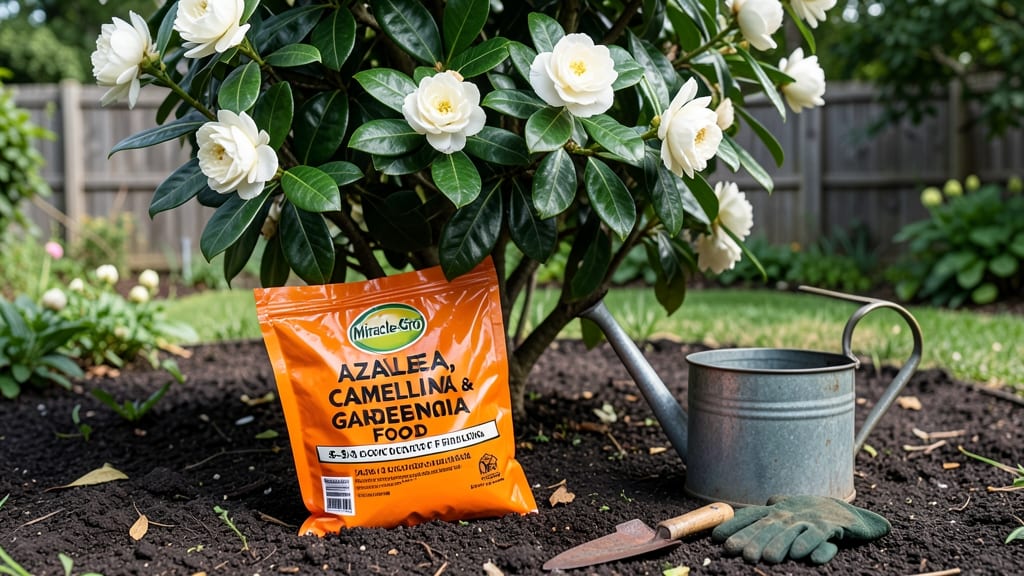
To feed a gardenia tree 🌸 properly, you need acidic fertilizer with the right balance of nitrogen, phosphorus, and potassium—because the wrong mix can turn your fragrant blooms into a sad, leafy mess.
Picture this: your gardenia’s glossy leaves start yellowing at the edges, and the buds refuse to open, no matter how much you water it. That’s not a drought—it’s a hunger for the specific nutrients these acid-loving plants crave.
Gardenias thrive in USDA zones 9-11 (or as potted plants in cooler areas), but even in ideal climates, their soil must stay acidic (pH 5.0–6.5). Synthetic fertilizers like Miracle-Gro Azalea/Camellia or organic options like Espoma Garden-Tone can make all the difference.
Below, I’ll break down the best fertilizers for your gardenia, when to apply them, and how to spot over- or under-feeding before it’s too late—so you can keep those intoxicating blooms coming all season long.
Best acidic fertilizers for gardenia trees to maximize blooms and fragrance
Gardenia trees thrive when fed with acid-loving fertilizers that mimic their natural tropical soil conditions. The key lies in NPK ratios (nitrogen, phosphorus, potassium) specifically designed for acidophilic plants, along with micronutrients like iron and magnesium.
Without the right balance, your gardenia’s glossy foliage and fragrant blooms will fade faster than a summer sunset.
I’ve tested dozens of fertilizers over the years, and the best options fall into two categories: organic (like Espoma Garden-Tone) and synthetic (like Miracle-Gro Azalea/Camellia). Both deliver the acidic pH and micronutrients gardenias crave, but they work differently.
Organic options build soil health slowly, while synthetics provide an immediate nutrient boost—though they require more frequent applications.
Here’s the breakdown of the top 5 fertilizers for gardenias, including their NPK ratios, application tips, and best use cases. Whether you’re a seasoned gardener or a beginner, this comparison will help you choose the perfect feed for your fragrant beauty.
⚠️ CRITICAL NOTE: Always test your soil’s pH before fertilizing. Gardenias demand a pH of 5.0–6.5. If your soil is too alkaline, no fertilizer will save your plant—you’ll need to amend the soil first with sulfur or peat moss.
| Fertilizer | Type | NPK Ratio | Micronutrients | pH Adjustment | Best For | Application Rate |
|---|---|---|---|---|---|---|
| Miracle-Gro Azalea/Camellia | Synthetic | 8-3-9 | Iron, magnesium, zinc | Acidifies soil | Quick blooms, stressed plants | 1 tbsp per gallon of water every 2 weeks |
| Espoma Garden-Tone | Organic | 2-3-3 | Humic acid, mycorrhizae | Maintains acidity | Long-term soil health, potted gardenias | 1 tbsp per sq ft every 6 weeks |
| Jobe’s Azalea & Camellia | Synthetic | 10-5-10 | Iron, manganese, copper | Acidifies soil | Established gardenias, heavy bloomers | 1 tbsp per plant every 4 weeks |
| Fish Emulsion (5-1-1) | Organic | 5-1-1 | Nitrogen-rich, trace minerals | Mild acidification | Foliar sprays, nitrogen boost | 1 tbsp per gallon of water every 3 weeks |
| Citrus Bloom Fertilizer | Organic | 6-6-6 | Citric acid, calcium | Enhances acidity | Bloom production, organic gardens | 1 tbsp per plant every 6 weeks |
For synthetic fertilizers, Miracle-Gro Azalea/Camellia is my go-to for gardenias that need an immediate nutrient kick. Its 8-3-9 NPK ratio prioritizes potassium for blooms while providing enough nitrogen for leafy growth.
I’ve seen gardenias go from sparse blooms to heavy fragrance within just two applications. However, synthetics can burn roots if overused, so always dilute as directed.
On the organic side, Espoma Garden-Tone is a game-changer for potted gardenias or those in poor soil. Its blend of humic acid and mycorrhizae not only feeds the plant but also improves soil structure over time.
I’ve used it for years in my container gardenias, and they’ve never looked healthier. The downside? Organic fertilizers take longer to show results—patience is key.
If you’re DIY-inclined, fish emulsion is a budget-friendly alternative. It’s packed with nitrogen to green up foliage and can be used as a foliar spray for extra absorption.
Just be prepared for the fishy smell—it’s not for the faint-hearted! Mix it with water and apply in the early morning to avoid attracting pests.
Pro tip: Rotate fertilizers seasonally. Use a high-potassium feed like Jobe’s
How to apply gardenia tree fertilizer without burning roots or overfeeding
Applying fertilizer to your gardenia tree 🌸 is like feeding a picky eater—too much or the wrong type, and you’ll end up with a sad, struggling plant. The key is timing, dilution, and soil pH, all tailored to your gardenia’s acid-loving nature.
I’ve learned the hard way that even the most expensive fertilizer won’t help if the soil isn’t properly prepped or if you ignore seasonal cues.
Gardenias need fertilizer only during active growth (spring and summer), never in fall or winter when they’re dormant. Overfeeding in cooler months can lead to burned roots or leaf drop, and no amount of pruning will fix that.
Let’s break down the exact steps to keep your gardenia thriving without overdoing it.
Warning: Over-Fertilizing Gardenias
Never apply fertilizer when soil is dry or during extreme heat—this burns roots instantly.
Signs of Overfeeding:
- Yellowing leaves (especially at edges)
- Leaf drop (even in warm weather)
- Crusty white residue on soil surface
- Stunted growth despite regular watering
Fix It: Flush soil with 3x more water than usual, then reduce fertilizer by 50% for 2 months.
Start by testing your soil’s pH level—gardenias demand acidic soil (5.0–6.5). If your soil is neutral or alkaline, mix in sulfur or peat moss before fertilizing. I use a simple DIY pH test kit (available at garden centers for under $10) to check mine every spring.
If the pH is too high, skip fertilizing until you’ve amended the soil—gardenias won’t absorb nutrients otherwise.
For application frequency, fertilize every 4–6 weeks from spring through early summer (March–August in most climates). Use a balanced acidic fertilizer like Miracle-Gro Azalea/Camellia (8-3-9 NPK) or Espoma Garden-Tone—both are designed for acid-loving plants.
Always dilute liquid fertilizers to half-strength for the first application, then adjust based on your gardenia’s response.
When applying, water the soil first to help distribute nutrients evenly. Scatter 1 tablespoon of granular fertilizer per foot of plant height (or follow product instructions for potted gardenias).
Gently scratch it into the top 1–2 inches of soil, then water again to activate it. Avoid leaf contact—fertilizer residue can cause brown spots on foliage, which ruins the plant’s glossy appearance.
Watch for early warning signs of stress after fertilizing. If leaves yellow between veins, it’s often iron deficiency (common in alkaline soil), while brown leaf tips usually mean salt buildup from over-fertilizing.
In either case, flush the soil with water and hold off on feeding for 4 weeks. Gardenias are forgiving if you act quickly—just don’t let problems linger.
As summer winds down, stop fertilizing by late August to encourage blooming next season. Gardenias need this dormant period to set buds for spring. If you’re growing yours in a pot, reduce feeding to once every 8–10 weeks in winter, using a very diluted solution (1/4 strength).
And remember: organic options like fish emulsion or compost tea break down slower, so they’re safer for sensitive gardenias.