
Tools
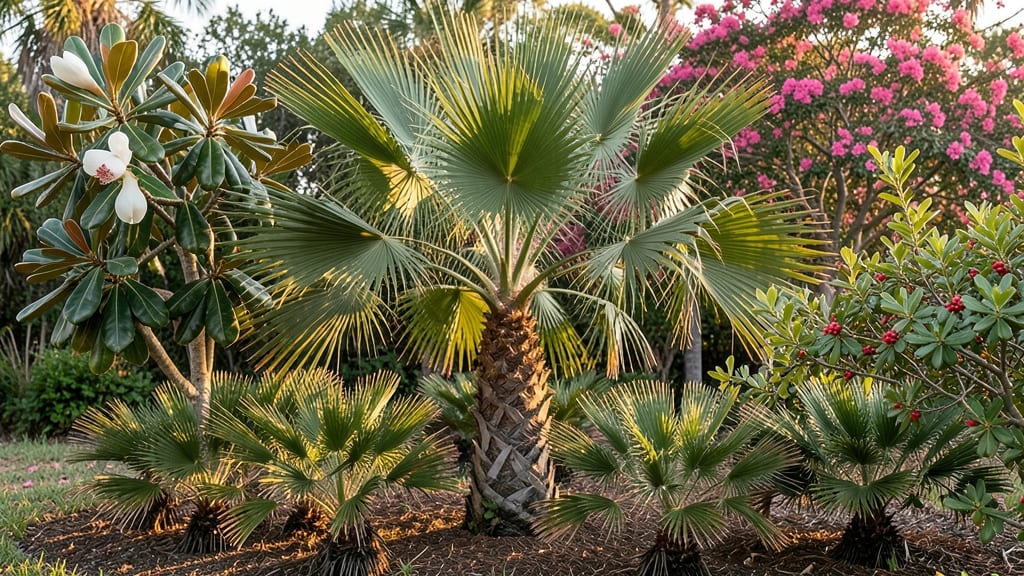
The Florida Botanical Garden is a lush sanctuary featuring native and exotic plant collections, from delicate orchids to towering palms and brilliant tropical blooms. Key attractions include the iconic Palm Dome, the Orchid Conservatory, and tranquil Lakeside Garden, plus seasonal displays and the enchanting Butterfly Garden.
The Florida Botanical Garden isn't just a pretty postcard—it's a living classroom where you can see rare species like the ghost orchid up close. 🌿 This 85-acre paradise near Orlando blends conservation with beauty, featuring more than 2,000 plant varieties adapted to Florida's unique climate.
What sets it apart is how it balances iconic sights (like the 100-foot-tall Palm Dome) with hidden pockets, such as the fragrant Night Blooming Garden that opens only after dark.
Beyond the main attractions, the garden's ecological education programs make it a standout. You'll learn how native plants like the Florida royal palm support local wildlife while helping control erosion.
The seasonal displays—from winter holiday lights to spring orchid extravaganzas—ensure every visit feels fresh, while the Butterfly Garden offers a magical experience for all ages. Pro tip: Weekday mornings are the best time to avoid crowds and spot rare blooms.
💡 In This Article
- Exploring Florida Botanical Garden’s Native Plant Ecosystems
- Seasonal Highlights and Visitor Tips for Florida Botanical Garden
Exploring Florida botanical garden’s native plant ecosystems
The Florida Botanical Garden serves as a critical conservation hub for native plant species that have adapted to the state's unique climate. 🌿 Florida's native flora, like the Florida royal palm (Roystonea regia), have evolved with specialized traits such as deep root systems to access groundwater and waxy leaves to reduce water loss.
These adaptations allow them to thrive in the region's humid subtropical conditions, where temperatures average 75°F year-round and rainfall exceeds 50 inches annually.
The garden preserves over 2,000 plant varieties, including endangered species like the ghost orchid (Dendrophylax lindenii), which relies on specific pollinators like the ghost orchid bee (Euglossa spp.) for survival.
Water management is the backbone of this ecosystem, with the garden using a combination of natural wetlands and engineered systems to maintain proper moisture levels. 💧 The Lakeside Garden, for instance, features a series of interconnected ponds that create microclimates ideal for water-loving plants like the Florida arrowroot (Pothos imberbis) and the rare Florida torreya (Torreya taxifolia).
These plants play vital roles in their habitats—arrowroot stabilizes shorelines, while torreya provides food for wildlife. The garden's conservation efforts extend to controlled burns, which mimic natural Florida fires and help maintain the health of fire-adapted species like the saw palmetto (Serenoa repens).
What makes the garden's native collections particularly fascinating is how they demonstrate Florida's botanical diversity. 🌳 The Palm Dome, for example, showcases 30 species of palms, including the towering 100-foot-tall Florida royal palms and the delicate sabal palm (Sabal palmetto), which dominates coastal landscapes.
Nearby, the cycad collection features ancient-looking plants like the Florida coontie (Zamia integrifolia), a gymnosperm that predates dinosaurs. These plants aren't just visually striking—they're living examples of evolutionary resilience in Florida's ever-changing environment.
For visitors, understanding these ecosystems adds depth to the experience. 🌺 The garden's interpretive signs explain how each plant contributes to its ecosystem, from providing habitat to supporting pollinators. For instance, the Butterfly Garden features host plants like the milkweed (Asclepias spp.), which attract monarch butterflies during their migration.
Meanwhile, the Night Blooming Garden highlights nocturnal pollinators like moths, which are drawn to fragrant flowers that open after dark. These connections between plants and wildlife create a dynamic, living classroom that goes far beyond a simple stroll through beautiful gardens.
The garden's conservation work also extends to threatened species like the Florida semaphore cactus (Consolea corallicola), which grows only in a few scattered locations. 🌵 By cultivating these plants and studying their needs, the garden helps ensure their survival in the wild.
Visitors can see these efforts in action through the Conservation Greenhouse, where rare plants are propagated under controlled conditions. This hands-on approach to preservation makes the Florida Botanical Garden not just a place to admire nature, but a place to understand its fragility and importance.
One of the most rewarding aspects of exploring these ecosystems is seeing how they interact with Florida's wildlife. 🐦 The garden's native plants provide food and shelter for birds like the Florida scrub-jay (Aphelocoma coerulescens), a federally threatened species, and the endangered wood stork (Mycteria americana).
These connections highlight how every plant plays a role in maintaining Florida's biodiversity. Whether you're admiring a towering royal palm or a delicate orchid, you're witnessing a piece of Florida's natural heritage that's actively being protected for future generations.