
Size
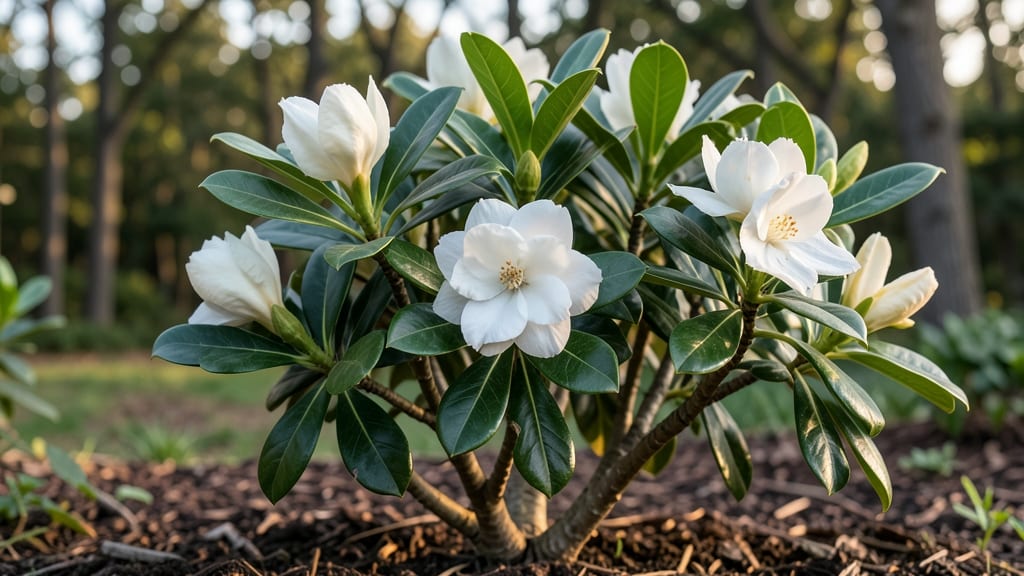
A frost-proof gardenia size is all about choosing the right variety for your climate — and the difference between a shrub that thrives and one that struggles can be as simple as height.
Picture this: You’ve spent months nurturing your gardenias, only to wake up to crisp morning air and wilted blooms. The right size isn’t just about aesthetics; it’s about survival. Compact varieties like Kleim’s Hardy (3-5 feet) handle cold snaps better than towering standards, but even they need the right care.
Below, I’ll break down the best frost-resistant gardenia sizes by mature height, from dwarf options for containers to larger shrubs for sheltered spots. You’ll also learn how pruning and mulching can stretch your gardenia’s hardiness — even in zones where frost is a real threat.
Ready to pick a gardenia that blooms through winter? Let’s dive into the varieties that actually make it — and how to protect them when temperatures dip.

Best frost-proof gardenia sizes by mature height for cold climates
Cold climates don’t have to mean goodbye to your dream of fragrant gardenias! With the right frost-proof varieties, you can enjoy year-round blooms even in USDA Zones 5-9. The key lies in selecting cold-hardy gardenia sizes that match your space and climate.
Whether you need a compact container gardenia or a tall shrub for borders, the perfect size exists.
Most traditional gardenias struggle below Zone 8, but modern hybrids like Kleim’s Hardy and Radicans push limits to Zone 5. These varieties offer different mature heights, from 2-foot dwarfs to 10-foot giants, giving you flexibility.
Let’s explore the best frost-proof gardenia sizes by height to help you choose the perfect fit for your garden.
🌱 Key Considerations: Smaller gardenias (under 3 feet) thrive in containers or small gardens, while larger varieties (over 6 feet) need wide spacing and sheltered locations. Always check your last frost date—early bloomers may need frost cloth protection in Zones 5-7.
| Variety | Mature Height | Cold Hardiness (USDA Zones) | Best For | Notes |
|---|---|---|---|---|
| G. jasminoides 'Kleim’s Hardy' | 3–5 ft | 5–9 | Containers, small gardens, borders | Most cold-hardy; blooms June–September |
| G. 'Radicans' | 4–6 ft | 6–9 | Privacy screens, hedges, large borders | Fast-growing; needs well-draining soil |
| G. 'Veitchii' | 6–10 ft | 7–9 | Specimen plants, large landscapes | Largest blooms; not for small yards |
| G. 'Fortuniana' | 2–3 ft | 7–9 | Containers, patios, small spaces | Dwarf variety; great for balconies |
| G. 'August Beauty' | 3–4 ft | 6–9 | Foundation plants, mixed borders | Long blooming; resistant to powdery mildew |
For Zones 5-6, Kleim’s Hardy
How to choose the right frost-proof gardenia size for your space
Choosing the right frost-proof gardenia size depends on where you plant it and how harsh your winters get. A dwarf gardenia in a container stays cozy in cold snaps, while a large gardenia shrub planted in the ground needs winter protection.
Let’s break down the best options for your space—whether you’re working with a balcony, patio, or backyard.
For containers and small spaces, dwarf varieties like Kleim’s Hardy (2-3 feet) thrive in pots and can be moved indoors during frost. Medium-sized gardenias (4-6 feet) work well in ground beds but need mulching and windbreaks.
Larger varieties (6-10 feet) are stunning but require sheltered spots and extra care in colder zones.
🌱 Frost-Proof Gardenia Size Guide
Dwarf Varieties (2-3 ft)
- Pros: Easy to move, great for containers
- Cons: Limited bloom size, needs winter protection
Medium Varieties (4-6 ft)
- Pros: Balanced size, hardy with mulch
- Cons: Needs spacing, may need windbreaks
Large Varieties (6-10 ft)
- Pros: Stunning blooms, long-lasting
- Cons: Needs shelter, harder to protect
When planting ground gardenias, space them 3-5 feet apart to allow airflow and prevent fungal issues. For container gardenias, use pots at least 12-15 inches wide with drainage holes.
Remember, the smaller the plant, the easier it is to protect from frost—so if your winters are brutal, opt for dwarf or semi-dwarf varieties.
Spacing also matters for bloom production. Overcrowded gardenias compete for nutrients, leading to fewer flowers. Give them room to breathe, especially in USDA zones 5-7, where frost can linger. A well-spaced gardenia not only survives winter but thrives come spring.
For extra frost protection, add a 3-inch layer of mulch around the base in fall. This insulates roots and keeps soil temperatures stable. Pair that with a breathable frost cloth during hard freezes, and your gardenia will bounce back stronger.
The key is balancing size with care—so pick a variety that fits your space and your winter prep routine.
Ready to pick your perfect frost-proof gardenia? Start with your space and climate, then match it to the size that’ll give you the most blooms—and the least stress—come winter. 🌿