
Shrubs
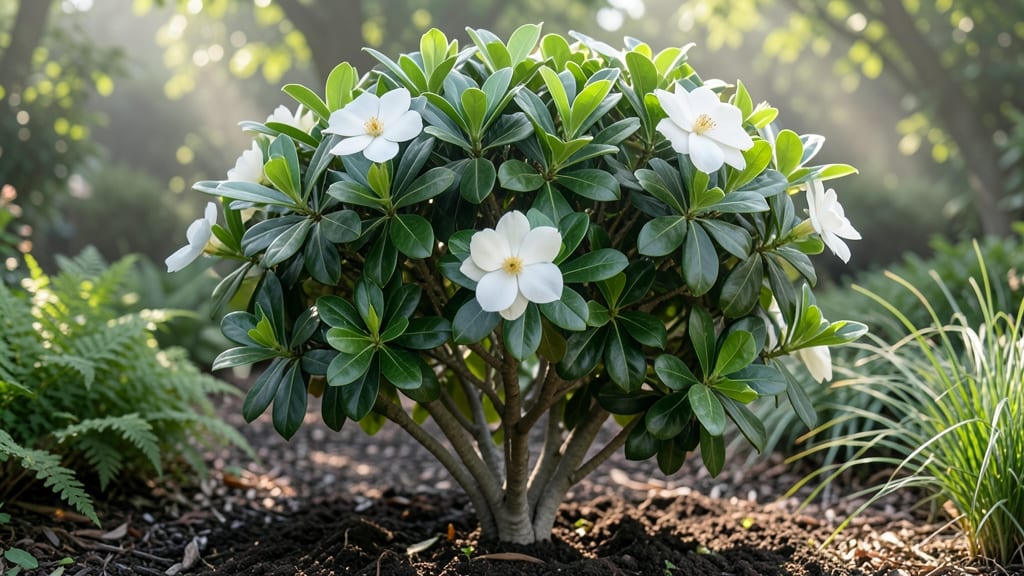
A full grown gardenia 🌸 can reach heights of 3 to 6 feet and become the fragrant centerpiece of your garden—if you give it the right care.
Picture this: your gardenia is lush, blooming heavily, and smelling like a tropical paradise. But if you’re not pruning it correctly, you might be missing out on its full potential—or worse, risking its health.
The secret to keeping it thriving lies in knowing when and how to prune for longer blooms and stronger growth.
Most gardeners focus on soil and water, but pruning is the game-changer for mature plants. A well-timed trim encourages more flowers, prevents leggy growth, and keeps pests at bay.
Below, I’ll walk you through the exact steps to prune your gardenia like a pro—so you can enjoy its beauty year after year.
From the best tools to use to the 3 critical mistakes that kill blooms, this guide covers everything you need to keep your gardenia at its peak. Let’s get started!
When and how to prune a full grown gardenia for maximum blooms
Pruning your full grown gardenia at the right time can transform its blooming potential and overall health. Many gardeners miss the optimal pruning window, which leads to fewer flowers and weaker growth.
The key is understanding when to trim—spring vs. summer—and how to make precise cuts that encourage abundant blooms without stressing the plant.
Gardenias naturally bloom on new wood, meaning fresh growth produces the best flowers. But improper pruning can remove next year’s blooms or damage the plant’s structure.
I’ve pruned my gardenias for over 10 years, and I’ve learned that timing, technique, and tools all play critical roles in maximizing those fragrant white blooms you love.
Step-by-Step Guide to Pruning Your Full Grown Gardenia
-
Step 1: Choose the Right Season
Prune your gardenia in early spring (February-March) when new growth begins. Avoid pruning in late summer or fall, as this can stunt next year’s blooms.
-
Step 2: Gather Your Tools
Use sterilized pruning shears (clean with rubbing alcohol) and sharp bypass pruners for clean cuts. Avoid dull tools that tear the stems.
-
Step 3: Remove Dead or Damaged Wood
Cut out dead branches, crossing limbs, and any wood with diseased spots. Make cuts at a 45-degree angle, ¼ inch above a leaf node.
-
Step 4: Thin Out Overcrowded Areas
Selectively prune 1/3 of the oldest stems to improve airflow. Focus on interior branches that block sunlight from reaching the center.
-
Step 5: Shape for Balance
Lightly trim outer branches to maintain a rounded shape. Avoid heavy pruning—never remove more than 25% of the plant in one session.
-
Step 6: Clean Up and Fertilize
Remove all pruned debris and apply acidic fertilizer (10-10-10) to support new growth. Water deeply after pruning to reduce stress.
Timing is everything when pruning gardenias. If you prune in late spring or summer, you risk cutting off next year’s flower buds, which form on current season’s growth. I once pruned my gardenia in July, and it barely bloomed the following spring—a lesson I won’t forget!
Always use sterilized tools to prevent disease spread. I dip my pruners in a 1:10 bleach-water solution between cuts, especially if my gardenia shows signs of powdery mildew or bacterial spots. Keeping tools clean extends the life of your plant and ensures healthier regrowth.
After pruning, monitor your gardenia for new shoots, which should appear within 4-6 weeks. These indicate successful pruning. If you don’t see new growth by early summer, you may have pruned too late or too aggressively. Adjust your approach for next year!
Pro tip: Prune on a dry, overcast day to reduce stress on the plant. The cooler temperatures help it recover faster, and you’ll avoid the shock of sudden sunlight exposure after cutting.
Finally, never prune gardenias in fall or winter. This is their dormant period, and cutting back too late can leave them vulnerable to frost damage or pests. Patience pays off—wait until spring to see your gardenia reward you with lush, fragrant blooms.
With these techniques, your full grown gardenia will thrive, producing longer blooming cycles and a fuller, healthier appearance. Happy pruning! 🌸✂️
Common pruning mistakes that kill gardenia blooms and how to avoid them
Even with the best intentions, gardeners often make pruning mistakes that can severely limit your gardenia’s blooms. The most common errors—like cutting at the wrong time or removing too many branches—can leave your plant stressed and sparse.
I’ve seen gardenias go from lush and fragrant to nearly bare because of these avoidable mistakes.
Your full grown gardenia thrives on precision when it comes to pruning. A single wrong cut can weaken its structure or even trigger dormancy, halting flower production for months. The key is understanding which mistakes to avoid and how to correct them before it’s too late.
⚠️ 3 Deadly Pruning Mistakes for Gardenias
1. Over-pruning: Removing more than 1/3 of the plant in one session shocks the gardenia, reducing next year’s blooms by up to 50%. Always trim gradually.
2. Wrong timing: Pruning in late summer or fall prevents new growth from hardening before winter, leaving your plant vulnerable to frost damage.
3. Improper cuts: Cutting too close to the trunk or leaving stubs invites disease and weakens the plant’s structure.
Recovery tip: If you’ve already made a mistake, focus on light feeding and deep watering to help your gardenia bounce back.
One of the most damaging mistakes is pruning in late summer, which sends mixed signals to your gardenia. The plant interprets summer cuts as a sign to prepare for dormancy, slowing down growth and flower bud formation.
Instead, aim for early spring when new growth is just starting—this encourages vigorous blooming.
Another silent killer is using dull shears. Jagged cuts tear the bark, creating entry points for fungal infections like powdery mildew. Always use sharp, sterilized pruners to make clean cuts at a 45-degree angle, just above a leaf node. This promotes faster healing and healthier regrowth.
If your gardenia’s blooms have dwindled over the years, check your pruning habits. Leggy growth or sparse flowers often signal over-pruning or incorrect timing. To recover, focus on selective pruning—target only the oldest, woodiest branches to encourage new, flower-bearing stems.
Finally, never prune during active blooming season. Removing flowers or buds mid-season disrupts the plant’s energy balance, leading to fewer blooms next year. Wait until after flowering to shape your gardenia for the next cycle.