
Tools
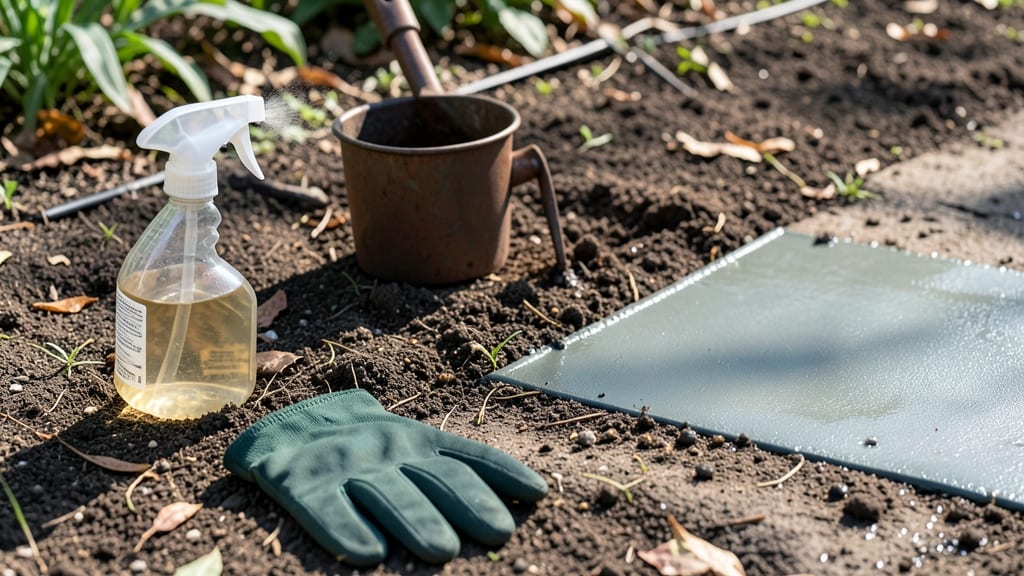
Using garden bed sealant protects your soil from erosion, locks in moisture, and blocks weeds while keeping roots healthy. Your choice between organic mulches, landscape fabric, or synthetic barriers should match your garden's specific needs and local weather patterns.
Garden bed sealants work by creating a protective barrier that does more than just look neat—they regulate soil temperature, reduce evaporation, and starve weeds by blocking sunlight. 🌱 For example, organic mulches like straw or wood chips break down over time, enriching the soil with nutrients, while synthetic membranes last longer but may trap excess moisture if not properly ventilated.
The right sealant depends on whether you're growing delicate flowers or hearty vegetables—each plant type has different breathing needs.
Most gardeners make the mistake of choosing based solely on cost without considering long-term effects. A thick layer of mulch might seem cheaper upfront, but it requires frequent replenishment, while landscape fabric can last years but may need trimming around plants to prevent root damage.
I always recommend testing a small section first to see how your soil and plants respond before committing to full coverage.
💡 In This Article
- How Garden Bed Sealants Work to Preserve Soil Health
- Best Garden Bed Sealant Materials for Different Climates and Plant Types
How garden bed sealants work to preserve soil health
Garden bed sealants create a protective barrier that interacts directly with soil physics and biology. Organic options like wood chips or straw work by forming a porous layer that slows water evaporation while allowing air and water to penetrate.
This process mimics natural leaf litter, which regulates moisture and temperature in forests. For example, a 3-inch layer of mulch can reduce soil moisture loss by up to 70% during hot summer months, while maintaining a stable 60-70°F soil temperature—ideal for most plant roots.
The weed suppression mechanism is simple but effective: sealants block sunlight from reaching weed seeds, preventing germination. Synthetic membranes achieve this with a 0.004-inch thick plastic barrier that reflects 90% of sunlight, while organic mulches achieve similar results through physical coverage.
However, synthetic options may trap excess heat near the soil surface, potentially raising temperatures above 85°F in direct sunlight—dangerous for heat-sensitive plants like lettuce or spinach. 🌿 The key difference lies in permeability: organic materials allow microbial activity to continue, enriching soil over time, while synthetic barriers create a sterile environment below.
Moisture retention works through capillary action and reduced surface area exposure. When water hits a sealed bed, it's absorbed more efficiently because the sealant prevents rapid evaporation.
For instance, a 2-inch layer of pine bark mulch can hold 20% more water than bare soil, while landscape fabric with 0.02-inch drainage holes allows controlled water penetration. This dual mechanism explains why sealed beds require 30-50% less irrigation than unprotected soil—critical for drought-prone regions where water conservation is essential.
Root health depends entirely on the sealant's breathability. Organic materials decompose gradually, releasing nutrients while maintaining soil aeration through their fibrous structure. In contrast, synthetic membranes must include ventilation holes every 12-18 inches to prevent anaerobic conditions that suffocate roots.
The trade-off? Organic sealants need replenishing annually, while synthetic options last 5-10 years but may require professional installation for proper ventilation. For container gardens or raised beds, this becomes especially critical as roots have limited space to escape compacted conditions.
Consider the microbial ecosystem: organic sealants foster beneficial bacteria and fungi that break down organic matter, while synthetic barriers create a sterile zone. This explains why vegetable gardens thrive with mulch—they develop a healthier rhizosphere (the soil region influenced by roots) compared to synthetic-covered beds.
However, synthetic options excel in high-traffic areas where organic materials would compact under foot traffic or erode during heavy rains. The choice ultimately hinges on balancing immediate protection needs with long-term soil vitality.
For maximum effectiveness, apply sealants when soil temperatures stabilize above 50°F in spring or after the last frost. This timing ensures roots aren't stressed by temperature fluctuations while allowing the sealant to establish its protective properties.
In regions with hot, dry summers, prioritize organic mulches with high moisture retention, while cool, wet climates benefit from synthetic membranes that prevent waterlogging. The right application technique—like creating a 1-inch gap around plant stems**—can extend a sealant's effectiveness by years while preventing disease spread.