
Fertilization
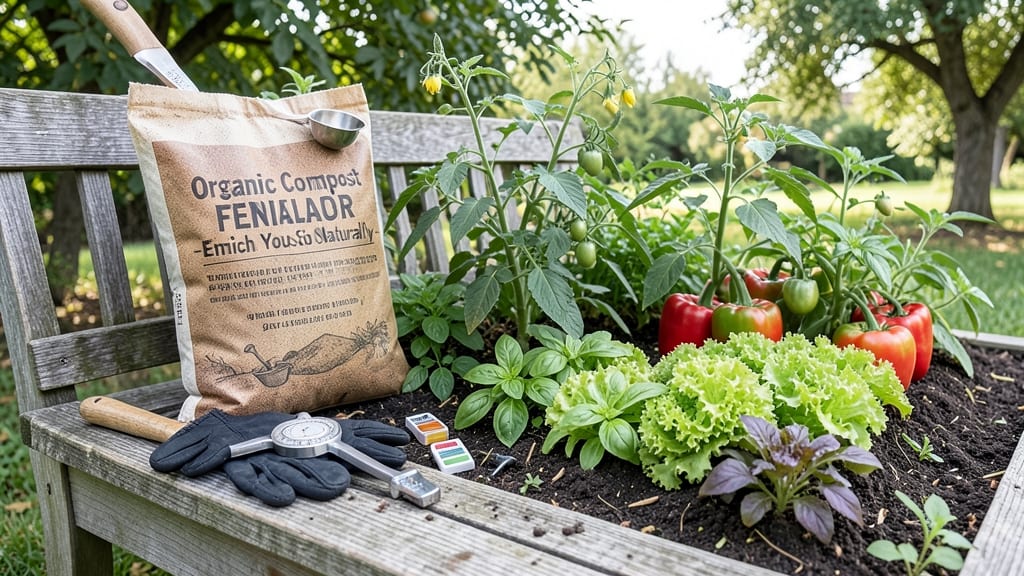
Reviews of garden fertilizers consistently recommend Miracle-Gro All Purpose Plant Food for quick nutrient delivery and Osmocote Smart-Release Plant Food for extended feeding cycles. Organic options like Espoma Organic Garden Food appeal to gardeners prioritizing natural ingredients, while Jack’s Classic All Purpose 24-24-14 delivers strong performance at an affordable price.
When choosing garden fertilizers, the key difference lies in how quickly plants absorb nutrients.
Fast-release options like Miracle-Gro provide an immediate nutrient boost, ideal for reviving struggling plants or jumpstarting new growth. 🌱 On the other hand, slow-release fertilizers like Osmocote gradually feed plants over months, reducing the need for frequent applications and minimizing nutrient runoff.
The best choice depends on your specific plants and gardening timeline—fast results for annuals versus steady nourishment for perennials.
Most gardeners find that liquid fertilizers offer quick absorption, while granular options provide longer-lasting benefits. The NPK ratio (nitrogen, phosphorus, potassium) also matters—higher nitrogen supports leafy growth, while phosphorus boosts flowering and root development.
For organic gardeners, Espoma stands out with its compost-based formula, though it may require more frequent applications compared to synthetic alternatives.
💡 In This Article
- How Fast-Release vs Slow-Release Fertilizers Affect Plant Growth
- Best Fertilizer Types for Specific Garden Needs
How fast-release vs slow-release fertilizers affect plant growth
The core difference between fast-release and slow-release fertilizers lies in how plants access nutrients. Fast-release formulas—like Miracle-Gro's water-soluble granules—dissolve immediately, delivering a concentrated burst of nitrogen (15-30% NPK), phosphorus (10-15% NPK), and potassium (10-15% NPK) directly to roots within 24-48 hours.
This rapid uptake triggers an instant metabolic response, perfect for seedlings or plants recovering from stress. The trade-off? Nutrients can leach away quickly, requiring frequent reapplication every 2-4 weeks during growing seasons.
Slow-release fertilizers, such as Osmocote's polymer-coated granules, work differently. The coating controls nutrient release over 3-6 months, with each granule acting like a tiny time-release capsule.
Here's the science: The polymer barrier gradually breaks down due to microbial activity and moisture, releasing nutrients at a steady rate that matches plant demand. Studies show this method reduces nutrient loss by up to 60% compared to fast-release options, while maintaining soil health.
For mature plants, this steady feed promotes deeper root systems and more resilient growth.
NPK ratios play a critical role in determining which type you should use. Fast-release fertilizers often feature higher nitrogen ratios (20-30% NPK) to fuel rapid leaf and stem development—ideal for leafy greens or lawns needing quick recovery.
Slow-release options typically balance ratios (14-14-14 NPK) to support overall plant health without overloading roots. The key is matching the fertilizer to your plant's life stage: seedlings thrive with fast-release nitrogen, while established perennials benefit from slow-release balance.
Soil type also influences effectiveness. In sandy soils with poor water retention, fast-release fertilizers can wash away before roots absorb them, while slow-release options maintain a consistent nutrient supply.
Conversely, clay soils hold moisture well, making fast-release formulas more effective when immediate growth is needed. 🌱 For container gardens, slow-release is often superior as it prevents nutrient runoff during watering.
Consider this practical example: When transplanting tomato seedlings, a fast-release fertilizer with 10-20-10 NPK ratio can double growth in 3-4 weeks compared to unfertilized plants. However, for established tomato plants, switching to slow-release 14-14-14 NPK promotes fruit development without the risk of over-fertilization.
The right choice depends on your gardening timeline and plant types.
What most gardeners overlook is the environmental impact. Fast-release fertilizers contribute to water pollution through runoff, while slow-release options minimize this risk by synchronizing nutrient release with plant needs. For eco-conscious gardeners, this makes slow-release not just a growth strategy, but a sustainability choice.