
Tools
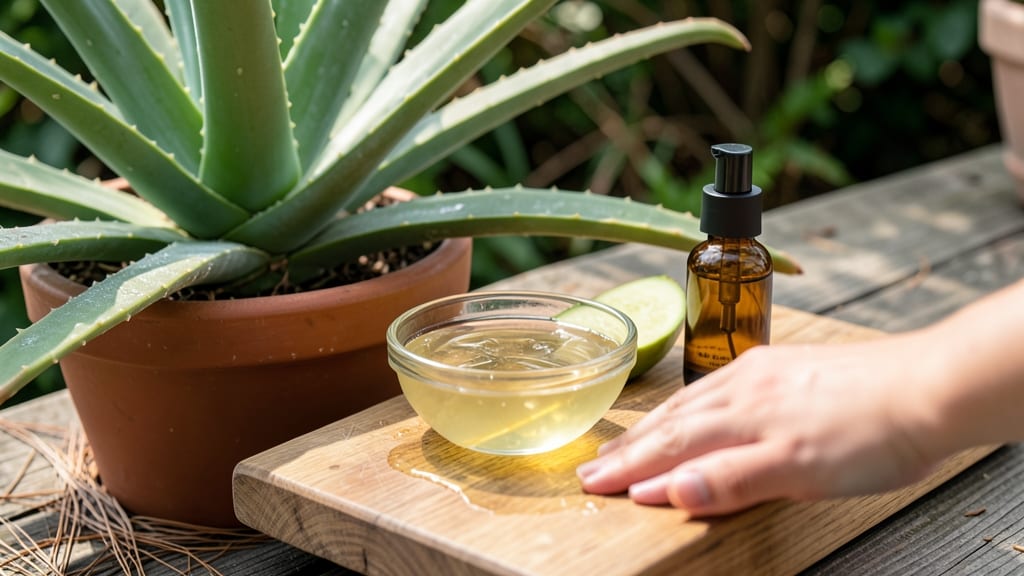
Garden skin care brings nature's botanicals into your beauty routine to create glowing, healthy skin using simple plant-based solutions like aloe vera, green tea, and chamomile. This approach emphasizes hydration, sun protection, and gentle exfoliation for a refreshing, earthy radiance.
This skin care method taps into the power of your own backyard—or local farmers' market—to create treatments that work with your skin's natural balance. 🌿 The key lies in harnessing plants' natural properties: aloe vera soothes irritation, green tea reduces inflammation, and chamomile calms redness.
Unlike commercial products packed with synthetic chemicals, garden skin care focuses on purity and simplicity, often requiring just a few ingredients you can grow or easily find.
The beauty of this approach is its customization—you can adjust recipes based on your skin type, whether you need extra moisture, oil control, or gentle exfoliation.
What makes this routine particularly appealing is its sustainability. You're not just caring for your skin but also reducing waste by using what nature provides. For example, a simple cucumber and honey mask can hydrate dry skin while the antioxidants in green tea help fight free radicals that accelerate aging.
The process also connects you more deeply to the ingredients, making skincare feel more intentional and rewarding.
💡 In This Article
- How Plant-Based Ingredients Benefit Your Skin
- DIY Garden Skincare Recipes for Every Skin Type
How plant-based ingredients benefit your skin
The magic of garden skin care lies in how plants interact with your skin at a cellular level. Take aloe vera, for example—its gel contains 75 active compounds, including vitamins A, C, and E, enzymes, and amino acids that penetrate the skin's outer layer to boost collagen production.
The gel's 99.5% water content makes it a powerhouse for hydration, while its anti-inflammatory properties calm redness and irritation within 10-15 minutes of application. 🌱 This is why aloe is a staple in both commercial and DIY treatments for sunburns and eczema.
Then there's green tea, packed with polyphenols like EGCG (epigallocatechin gallate), which act as potent antioxidants. These compounds neutralize up to 90% of free radicals that damage skin cells, slowing premature aging.
Studies show green tea extract can reduce sebum production by 20-30%, making it ideal for oily skin while also tightening pores. The caffeine in green tea also constricts blood vessels, reducing puffiness and giving an instant brightening effect—perfect for under-eye areas.
For those with sensitive or reactive skin, calendula is a game-changer. Its anti-inflammatory flavonoids (like quercetin) help repair the skin barrier, reducing redness and irritation from environmental stressors. Unlike synthetic corticosteroids, calendula works gradually over 2-3 weeks of consistent use, making it safer for long-term care.
The plant's antimicrobial properties also prevent breakouts, which is why it's often found in acne-fighting treatments.
Don't underestimate the power of honey—medical-grade honey contains hydrogen peroxide that gently exfoliates dead skin cells while its high sugar content (up to 80% glucose) creates a humectant effect, drawing moisture into the skin.
Raw honey's pH of 3.4-4.5 matches the skin's natural acid mantle, making it an ideal moisturizer that doesn't disrupt your skin's protective barrier. 🌿 This is why honey masks leave skin feeling plump and supple without the greasy residue of petroleum-based products.
Even cucumber offers more than just cooling relief. Its 96% water content provides instant hydration, while cucurbitacins (natural compounds) help reduce swelling and inflammation. The high silica content strengthens collagen fibers, giving skin a firmer appearance over time.
What's fascinating is how cucumber's alkaline pH (6.5-7.0) helps balance the skin's acidity, making it perfect for soothing sun-exposed or irritated skin.
What most people don't realize is how these ingredients work synergistically. For example, combining rosehip oil (rich in vitamin A) with chamomile (anti-inflammatory) creates a treatment that not only fades scars but also reduces redness—something synthetic retinol alone can't achieve without irritation.
The key is understanding each plant's unique properties and how they complement your skin's specific needs.