
Pests
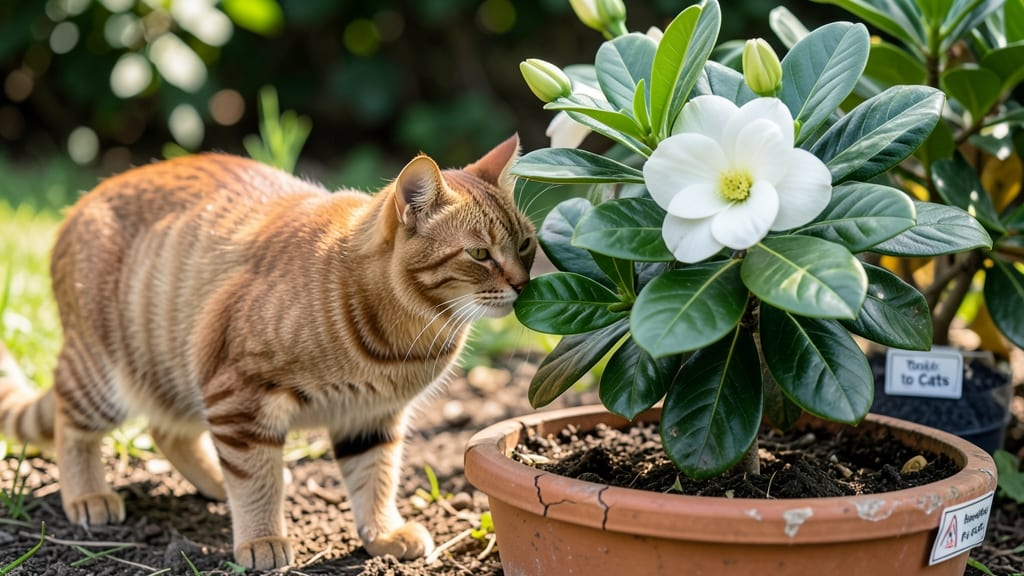
Gardenia plants are toxic to cats because their leaves, flowers, and stems contain harmful compounds like saponins and essential oils that trigger vomiting, drooling, and lethargy if chewed. Always keep them out of reach or choose safer pet-friendly plants like spider plants or Boston ferns.
When cats nibble on gardenia leaves or stems, their sensitive digestive systems react strongly to these natural compounds. 🐱 Unlike humans, cats lack the enzymes to process saponins efficiently, which can lead to more severe symptoms like diarrhea or even depression in extreme cases.
Even small exposures—like a curious sniff or a single chewed leaf—can cause discomfort, so prevention is key. If you love gardenias but share your home with cats, consider placing them in hanging baskets or behind baby gates where your feline friend can't access them.
For a safer garden, many non-toxic alternatives offer similar beauty without the risks.
Spider plants thrive indoors with minimal care, while Boston ferns add lush greenery and are completely safe if ingested. 🌿 These options let you enjoy gardening without compromising your pet's health, and they often require less maintenance than gardenias too.
💡 In This Article
- Toxic Compounds in Gardenia Plants and Their Effects on Cats
- Pet-Friendly Garden Alternatives to Gardenias
Toxic compounds in gardenia plants and their effects on cats
Gardenia plants contain two primary toxic compounds that pose risks to cats: saponins and essential oils. Saponins are naturally occurring glycosides that create a soapy texture when mixed with water, and they disrupt cell membranes in a cat's digestive tract.
Essential oils, particularly those found in gardenia flowers, contain compounds like linalool and geraniol, which can irritate a cat's respiratory system and nervous system when ingested. These oils are volatile and easily absorbed through the mouth, throat, and even skin, making them particularly dangerous.
The severity of symptoms depends on the amount ingested and the cat's size. A small cat might experience mild symptoms after nibbling a single leaf, while larger doses—like consuming an entire flower—can trigger severe reactions. Common signs include excessive drooling, vomiting, diarrhea, lethargy, and even depression.
In rare cases, ingestion can lead to more serious issues like liver damage or respiratory distress, especially in cats with pre-existing health conditions. 🐾 The strong aroma of gardenias can also attract curious cats, increasing the risk of accidental exposure.
Cats are especially vulnerable because their bodies process plants differently than humans. Their livers lack certain enzymes needed to break down saponins and essential oils efficiently, leading to prolonged toxicity. Even the scent of crushed gardenia leaves can cause irritation in sensitive cats, triggering sneezing or coughing.
This is why it's crucial to monitor your cat's behavior around these plants, even if they haven't directly ingested any.
If you suspect your cat has ingested gardenia, contact your veterinarian immediately. They may recommend inducing vomiting (under professional guidance) or administering activated charcoal to absorb toxins. Never attempt home remedies like milk or hydrogen peroxide, as these can worsen the situation.
Prevention is always the best approach—keeping gardenias in secure, elevated planters or replacing them with pet-safe alternatives can save your cat from discomfort and potential health risks.
Understanding the science behind gardenia toxicity helps pet owners make informed decisions. For example, gardenias contain about 0.5-1.5% saponins by weight in their leaves, which is enough to cause noticeable symptoms in cats.
The essential oils, meanwhile, can linger in the air for hours after crushing the plant, posing an inhalation risk. This dual threat makes gardenias particularly hazardous compared to plants that only contain one type of toxin.
To put it into perspective, a cat weighing 10 pounds might show signs of toxicity after ingesting just 0.5 ounces of gardenia leaves.
That's roughly the size of a small handful—enough to trigger a reaction in even the most cautious feline. 🚨 This highlights why even small exposures should be taken seriously, and why pet owners should err on the side of caution when bringing gardenias into their homes.