Light Requirements
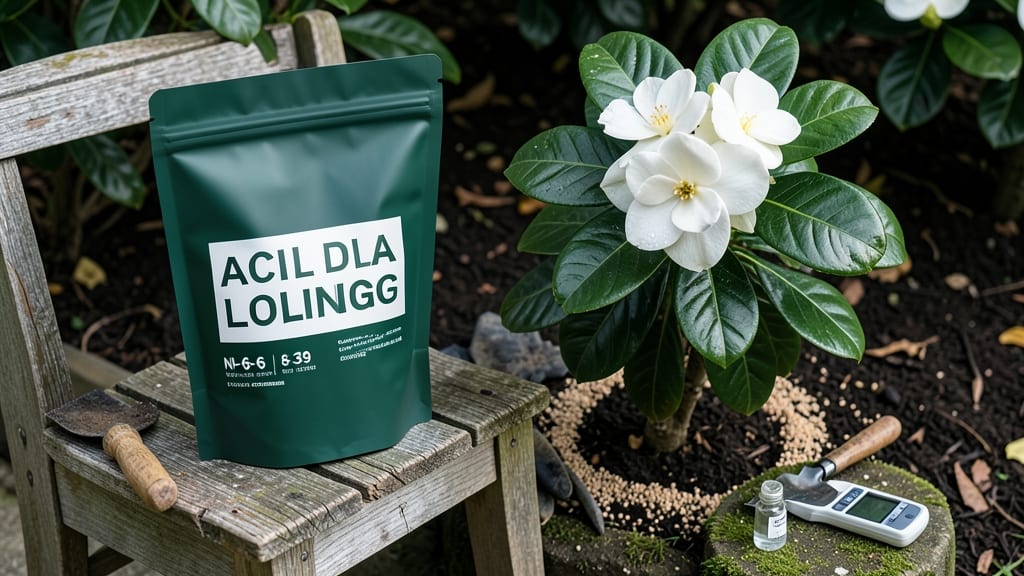
To keep your gardenia blooming with fragrant, lush flowers, you’ll need to understand its gardenia fertilizer requirements—these acid-loving plants are picky about their nutrients.
Struggling to keep your gardenia blooming? These acid-loving beauties demand precise feeding—get the wrong fertilizer, and you’ll watch buds drop before they open.
Most gardeners overlook the pH balance and nutrient ratios, but a 10-10-10 or 8-3-9 formula with extra iron is the secret to thriving 🌸. I’ll break down exactly when, how, and what to feed your gardenia—plus how to spot signs of over- or under-feeding before it’s too late.
By the end, you’ll know the monthly feeding schedule that keeps your gardenia thriving year-round, from spring blooms to winter dormancy.
Best fertilizers for gardenias: acidic nutrient breakdown
Gardenias thrive when fed the right nutrients, but their acid-loving nature means standard fertilizers won’t cut it. These tropical shrubs demand low pH soil (4.5–6.0) and a precise balance of nutrients to prevent yellowing leaves and maximize blooms.
Without the right fertilizer, you’ll see buds drop or leaves turn pale—both clear signs of nutrient stress.
The key to happy gardenias lies in understanding their nutrient requirements. They need high iron (for green leaves), moderate nitrogen (for foliage), and phosphorus (for blooms).
Synthetic options like acid-loving plant formulas (e.g., 10-10-10 or 8-3-9) work well, but organic choices like compost tea or fish emulsion can also deliver results—if applied correctly.
Before choosing a fertilizer, test your soil’s pH. Gardenias hate alkaline soil, which locks out essential nutrients. If your soil reads above 6.0, amend it with peat moss or pine bark fines to lower the pH gradually. This step alone can transform a struggling gardenia into a blooming superstar.
| Nutrient Requirement | Ideal Fertilizer Type | Application Notes | Signs of Deficiency |
|---|---|---|---|
| Iron (Fe) | Iron chelate or acid-based fertilizer (e.g., 10-10-10) | Apply every 6 weeks in growing season; foliar spray for quick fixes | Yellowing leaves (interveinal chlorosis) |
| Nitrogen (N) | Balanced organic (compost tea) or synthetic (8-3-9) | Use lightly—too much causes leafy growth, fewer blooms | Pale green leaves, stunted growth |
| Phosphorus (P) | Bone meal or high-phosphorus formula (e.g., 10-10-10) | Focus on spring feeding to encourage blooms | Poor flowering, dark green leaves |
| Magnesium (Mg) | Epsom salt (magnesium sulfate) or dolomite lime | Mix 1 tbsp Epsom salt per gallon of water, spray monthly | Yellowing between leaf veins |
| Soil pH | Peat moss or pine bark fines | Amend soil to 4.5–6.0; retest annually | Yellow leaves, poor growth (alkaline soil locks out nutrients) |
🌱 Pro Tip: Avoid lime or wood ash—they raise pH and harm gardenias.
Organic fertilizers like compost tea or fish emulsion are excellent choices for gardenias, especially if you prefer natural solutions. These options improve soil structure while delivering nutrients slowly, reducing the risk of root burn.
For a quick boost, mix 1 tbsp fish emulsion with 1 gallon of water and apply every 4–6 weeks during the growing season.
Synthetic fertilizers, on the other hand, offer precise nutrient control. Look for acid-loving plant formulas labeled for azaleas, rhododendrons, or camellias—these are designed for the same pH range. A 10-10-10 or 8-3-9 ratio works well, but avoid high-nitrogen blends (like 30-10-10), which promote foliage at the expense of blooms.
Micronutrients like zinc and manganese are often overlooked but critical for gardenias. If your plant shows stunted growth or small leaves, a foliar spray with a micronutrient blend can work wonders. These elements are easily absorbed through leaves and address deficiencies that soil amendments alone can’t fix.
One common mistake gardeners make is over-fertilizing in winter. Gardenias enter dormancy in cooler months, so skip feeding entirely from November through February. Resume in early spring as new growth appears. Overfeeding in winter leads to salt buildup in the soil, which can burn roots and stress the plant.
To keep your gardenia thriving, pair fertilizer with proper soil amendments. Mix peat moss or pine bark into the top 6 inches of soil at planting, and top-dress annually with compost.
This ensures the roots stay in an ideal acidic environment while accessing nutrients efficiently. Mulch with pine needles or oak leaves to maintain soil acidity naturally.
Watch for signs of nutrient deficiencies like yellowing leaves or bud drop—they’re your gardenia’s way of communicating. Yellowing between leaf veins? It’s likely an iron deficiency. Buds forming but dropping before opening?
Your plant may need more phosphorus. Adjust your fertilizer routine accordingly, and your gardenia will reward you with abundant, fragrant blooms all season.
Gardenia feeding schedule: when and how to apply fertilizer
Timing is everything when feeding your gardenia—apply fertilizer at the wrong time, and you’ll stress the plant instead of supporting its growth.
The key is matching your gardenia fertilizer schedule to its natural cycles: heavy feeding during active growth (spring and fall) and light maintenance in summer, with zero fertilizer in winter when the plant rests.
I’ve seen gardeners accidentally kill their gardenias by over-fertilizing in winter, thinking they need extra nutrients to survive. But gardenias are tropical shrubs—they dormant in cooler months and don’t need feeding. Instead, focus on spring and fall when new growth and blooms demand extra nutrients.
🌿 Gardenia Fertilizer Schedule
- Spring (March–May): Feed every 4–6 weeks with a 10-10-10 or 8-3-9 formula to kickstart blooms. Use slow-release granules for steady nutrients.
- Summer (June–August): Light feed every 6–8 weeks—reduce frequency to avoid burning roots in heat. Water thoroughly after applying liquid fertilizer.
- Fall (September–November): Feed lightly in early fall (Sept–Oct) to harden off the plant. Skip late fall to prepare for dormancy.
- Winter (December–February): No fertilizer. Focus on mulching to protect roots and conserve moisture.
For granular fertilizers, spread 1 tablespoon per plant around the root zone (not touching stems) and lightly scratch into the top 1–2 inches of soil.
Water deeply to activate nutrients. If using liquid fertilizer, dilute to half-strength and apply in the early morning to avoid leaf scorch from midday sun.
Organic options like compost tea or worm castings work well too—just ensure they’re acidic (pH 5.5–6.5). I’ve had great success with a slow-release organic fertilizer like Osmocote Plus, which feeds my gardenia for up to 6 months with minimal effort.
Watch for yellowing leaves or bud drop—these are classic signs of over- or under-feeding. If you’ve applied too much fertilizer, flush the soil by watering heavily for 10–15 minutes daily for 3 days to leach excess salts.
For potted gardenias, this means running water through the drainage holes until it exits clean.
Remember, gardenias thrive on consistency. Stick to this schedule, and you’ll reward yourself with glossy leaves and fragrant blooms all season long. 🌸