
Size
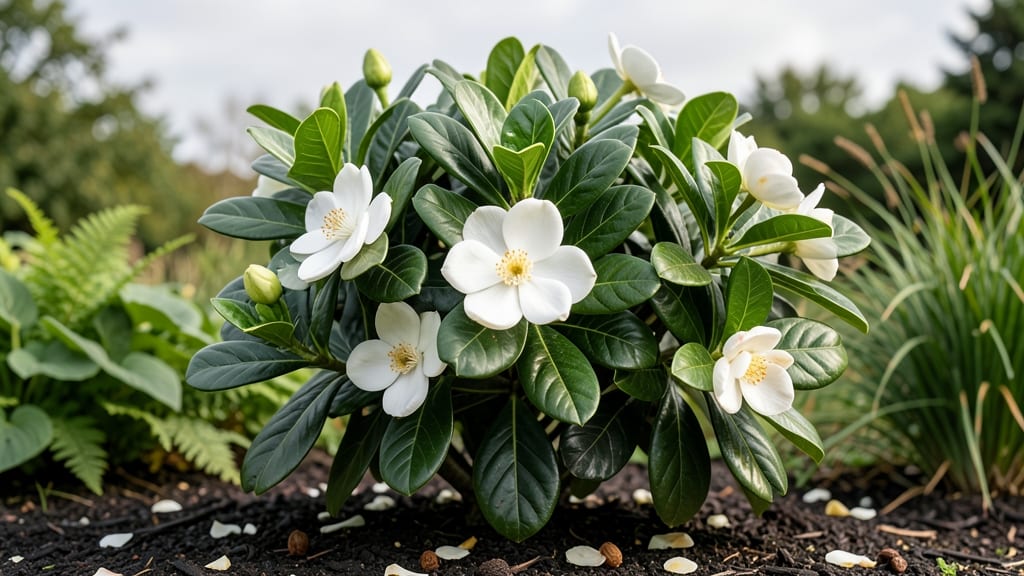
Understanding gardenia growth rate reveals these plants advance at a deliberate pace, gaining just 6-12 inches per year in perfect conditions, with full maturity reaching 6-15 feet tall. Seedlings often require 2-3 years of patience before showing consistent seasonal growth spurts during spring and summer.
Gardenia plants are famous for their patience—think of them as the tortoises of the flowering world. 🌱 Their slow growth stems from tropical origins where they evolved to conserve energy in nutrient-poor soils.
The first two years are especially critical, as young plants focus on root development rather than vertical growth. Once established, you'll notice spring and summer growth bursts, but winter slowdowns are normal as they conserve energy for next season's blooms.
What makes this growth pattern unique is how light and soil quality amplify these natural rhythms. Gardenias thrive in bright, indirect light, which directly impacts their annual height gain. In lower light conditions, expect growth to shrink by 30-50%—that's why indoor gardenias often stay smaller than their outdoor cousins.
The key to accelerating growth lies in maintaining consistent moisture without waterlogging, as these plants hate soggy roots.
💡 In This Article
- Factors Influencing Gardenia Growth Speed
- Monthly Growth Milestones for Gardenia Bushes
Factors influencing gardenia growth speed
Light exposure acts as the primary growth accelerator for gardenias, with plants receiving 6-8 hours of bright, indirect sunlight daily growing 20-30% faster than those in lower light. The ideal light spectrum for gardenias falls between 2,700-3,000 lux, which mimics their native tropical understory conditions.
Too much direct sun causes leaf scorch, while insufficient light triggers leggy growth and reduced flowering—both signs of energy conservation rather than development.
Soil pH plays an equally critical role, with gardenias thriving in acidic conditions between 5.0-6.5. The roots absorb nutrients most efficiently in this range, particularly iron and manganese which directly fuel leaf expansion.
In alkaline soils (above pH 7.0), nutrient uptake drops by 40-50%, resulting in stunted growth and yellowing leaves—a condition called chlorosis. Regular soil testing and amendments like sulfur or pine bark can restore optimal pH levels and revive growth patterns.
Humidity levels create another critical growth threshold, with ideal conditions maintaining 50-70% relative humidity. Gardenias originate from tropical regions where consistent moisture in the air prevents leaf transpiration stress.
In dry indoor environments (common below 40% humidity), growth slows as the plant diverts energy to leaf protection rather than expansion. A simple humidity tray with pebbles and water can increase local humidity by 15-20 percentage points, noticeably improving growth rates within 4-6 weeks.
Seasonal growth patterns follow a predictable cycle where spring and summer months (March-August) account for 70-80% of annual height gain. During this period, gardenias enter their active growth phase, with new leaves emerging every 2-3 weeks under optimal conditions.
The growth hormone gibberellin peaks during these months, promoting cell elongation in stems. Winter months (November-February) see growth rates drop by 60-70% as the plant enters dormancy, conserving energy for next season's blooms.
Pruning practices create another layer of growth control, with strategic trimming in late winter or early spring stimulating bushier growth. Removing 1/3 of the oldest stems redirects energy to younger branches, resulting in 25-35% more flowering nodes the following season.
However, improper pruning—particularly cutting into old wood—can reduce growth by 50% or more as the plant struggles to regenerate damaged tissue.
Indoor versus outdoor growth presents the most dramatic comparison, with outdoor gardenias growing 30-50% faster due to natural environmental factors. Outdoor plants benefit from higher humidity levels, better soil aeration, and natural seasonal temperature fluctuations that trigger growth hormones.
Indoor gardenias, while adaptable, often require artificial grow lights and humidity systems to match outdoor growth rates, making them 2-3 times more labor-intensive to cultivate at optimal speeds.