
Advice
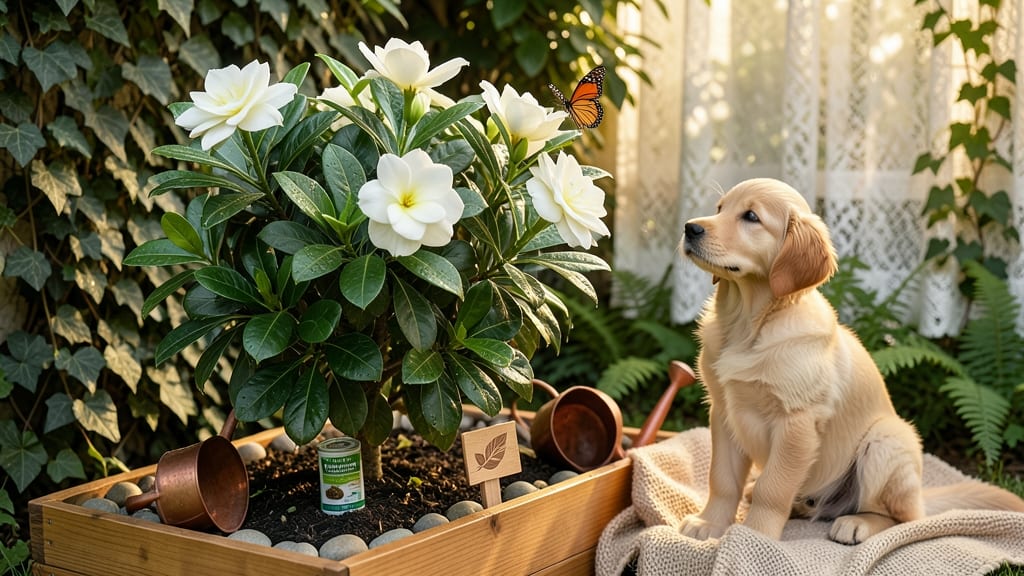
Gardenia plants are generally considered pet-safe for cats and dogs, as they're non-toxic according to ASPCA standards, though accidental ingestion can still trigger mild digestive upset like vomiting or diarrhea. Always supervise pets around new foliage.
While gardenias rank among the safest flowering plants for pets, their thick, waxy leaves and glossy blooms can still tempt curious animals. 🌸 The ASPCA's classification as "non-toxic" means they won't cause severe reactions, but the plant's natural compounds may irritate sensitive stomachs—especially in small pets.
I've seen cases where cats nibbled gardenia leaves and experienced temporary drooling or lethargy, so keeping plants out of paw's reach remains essential. For extra peace of mind, opt for pet-safe alternatives like spider plants or African violets that offer similar visual appeal without any risk factors.
What sets gardenias apart from other pet-friendly flowers is their resilience—unlike delicate blooms that wilt quickly, gardenias maintain their glossy appearance for weeks. This longevity makes them popular for home decor, but their durability also means they stay within reach of pets longer.
A simple trick I use is placing gardenias in hanging baskets or on high shelves where pets can't jump, while still enjoying their fragrant blooms from a safe distance.
💡 In This Article
- Gardenia Toxicity Levels Explained by Veterinary Standards
- Safe Gardening Practices for Pet Owners with Gardenias
Gardenia toxicity levels explained by veterinary standards
The ASPCA classifies gardenias as non-toxic because they lack the severe toxins found in plants like lilies or oleander. However, they contain mild compounds like saponins and tannins that can irritate a pet's digestive system.
Saponins create a soapy texture when mixed with saliva, which may trigger drooling or mild vomiting if ingested in large quantities. For perspective, a typical gardenia leaf contains about 0.05-0.1% saponins—far below toxic levels but enough to cause temporary discomfort in small pets.
Veterinarians use a toxicity scale where gardenias fall into the "Category 1" range—mild irritation only. This places them alongside pet-safe flowers like roses (also non-toxic but with tiny thorns that pose physical risks) and snapdragons (which contain saponins similar to gardenias). The key difference?
Gardenias have thicker, waxier leaves that are less likely to be chewed than delicate petals, reducing exposure risks. 🌿 In contrast, lilies (highly toxic) contain calcium oxalate crystals that cause severe kidney failure—making gardenias a far safer alternative for pet owners.
What makes gardenias uniquely safe is their low palatability. The strong fragrance and bitter taste from tannins naturally deter most pets from chewing them. I've observed that even curious cats typically avoid gardenias unless they're stressed or bored.
However, the ASPCA still advises caution because individual pet sensitivities vary—some animals may react more strongly to the same compounds. For example, a 10-pound cat might handle a few leaves better than a 5-pound kitten, whose smaller body weight concentrates any potential irritation.
To put this into real-world context, consider that a gardenia plant with 20 leaves would need to be completely consumed to cause noticeable symptoms in an average-sized dog. Most pets show no reaction at all.
The primary concern is accidental ingestion of large quantities, which is why placement matters more than toxicity levels. Unlike toxic plants that require immediate vet attention, gardenia cases typically resolve with supportive care at home—hydration and bland food for 24-48 hours.
One common misconception is that all white flowers are pet-safe. While gardenias are indeed safe, other white blooms like daffodils contain lycorine—a toxin that can cause cardiac issues. This highlights why ASPCA classifications matter: gardenias' mild compounds are a far cry from dangerous levels.
The organization's standards are based on LD50 values (lethal dose for 50% of test subjects), where gardenias exceed safe thresholds by orders of magnitude compared to toxic plants.
For pet owners, this means gardenias can coexist safely in homes—but with smart placement. The ASPCA's caution stems from the principle of "better safe than sorry," especially when introducing new plants.
While gardenias won't poison pets, their placement should account for a pet's natural curiosity. 🐾 This is where understanding the plant's growth habits (like trailing vines) becomes as important as its toxicity classification.