
Plants
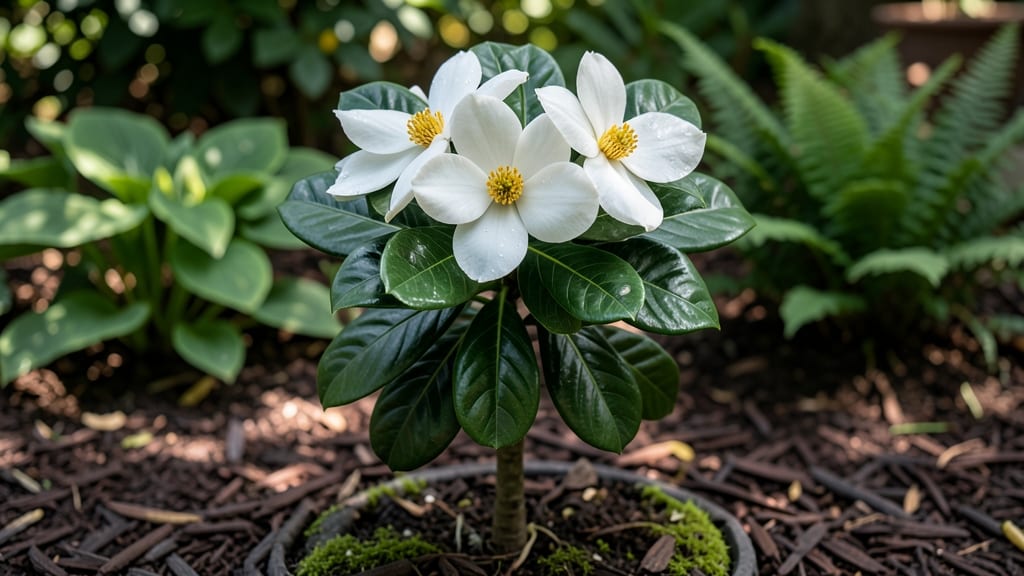
The gardenia plant thrives in sun or shade with morning sun and afternoon shade 🌸 — the trick is balancing light to keep those glossy leaves and fragrant blooms.
Struggling to keep your gardenia plant blooming? The secret lies in mastering its light needs—too much sun scorches the leaves, while too little shade stunts the flowers. Discover the perfect balance for lush, fragrant blooms all year.
In USDA Zone 6a, gardenias planted in April-May need protection from harsh afternoon rays, especially in full sun spots. A simple trick is to place them near an east-facing window or under a 30% shade cloth if outdoors.
Below, I’ll show you how to spot signs of light stress—like yellowing leaves or sparse blooms—and adjust care for vibrant gardenias year-round, whether you’re growing them in containers or garden beds.
 Best Window Placement
Ideal sunlight requirements for gardenia plants to bloom abundantly
Gardenia plants thrive on bright, indirect light with 4-6 hours of morning sun followed by afternoon shade. This balance prevents leaf scorch while ensuring enough energy for fragrant blooms.
In my experience, gardenias in tropical climates handle more direct light than those in temperate zones, where afternoon sun can be harsh. Understanding your local climate zone is key to replicating their natural habitat.
In USDA Zone 10-11 (tropical/subtropical), gardenias tolerate 6-8 hours of filtered sunlight daily, especially when humidity stays high. Here, I’ve seen gardenias flourish under dappled shade from palm trees, where they receive bright light without intense afternoon rays.
For Zones 7-9 (subtropical), aim for 3-5 hours of morning sun and protect them from hot afternoon exposure using sheer curtains or lattice screens.
Gardenias in Zones 6-8 (temperate) need the most caution—2-4 hours of gentle morning light is ideal, with afternoon shade mandatory. I’ve had success placing them under deciduous trees that provide natural shade during summer months.
In Zones 3-5 (cool climates), treat gardenias as container plants and move them indoors before first frost (October 15), where they can thrive near east-facing windows.
| Climate Zone | Sunlight Needs | Best Placement | Humidity Adjustment |
|---|---|---|---|
| Tropical (10-11) | 6-8 hrs filtered sun | Under palm trees or pergolas | Mist leaves daily |
| Subtropical (7-9) | 3-5 hrs morning sun | East side of house with afternoon shade cloth | Use pebble trays for humidity |
| Temperate (6-8) | 2-4 hrs gentle morning light | Under deciduous trees or patio covers | Group with ferns for moisture |
| Cool (3-5) | Indoor: 4-6 hrs east window | South-facing window in winter | Use humidifier near plant |
Humidity plays a critical role in gardenia light tolerance. In low-humidity areas (like desert climates), I’ve found that increasing air moisture allows gardenias to handle slightly more direct light. Place a humidifier nearby or group them with other tropical plants to create a microclimate.
For outdoor gardenias in dry zones, water the leaves daily with a spray bottle to mimic their natural environment.
Adjusting light exposure seasonally is essential. During spring and fall, gardenias can handle slightly more sun (up to 6 hours) as temperatures moderate.
However, in summer’s peak heat, even 4 hours of morning sun may be too much—watch for leaf yellowing or crisp edges, which signal sunburn. In winter, supplement with a grow light for 6-8 hours daily if growing indoors to maintain blooming cycles.
For container gardenias, rotate the pot quarter-turns weekly to ensure even light exposure. This prevents one-sided growth and encourages balanced blooming. I’ve also had success using reflective surfaces like white walls or mirrors to bounce indirect light toward shaded areas of the plant.
This trick works wonders for urban balconies with limited sunlight.
If your gardenia isn’t blooming, light is often the culprit. Too little sun leads to weak stems and sparse flowers, while too much causes leaf drop and stunted growth.
I recommend testing your gardenia’s light conditions with a light meter app to track lux levels (ideal range: 10,000-20,000 lux). For indoor gardenias, a south-facing window provides the best balance, while outdoor plants should never face west or south exposure without protection.
One common mistake is assuming more sun equals more blooms. In reality, over-exposure stresses gardenias, diverting energy away from flowering. I’ve seen gardenias in full shade produce fewer blooms, but with stronger stems, while those in too much sun develop leathery leaves and no flowers.
The key is finding that sweet spot of bright, indirect light that keeps your gardenia happy, healthy, and blooming abundantly.
For urban gardeners, consider LED grow lights
Signs your gardenia isn’t getting enough sun (or too much) and how to fix it
Your gardenia plant may be sending silent signals if it’s not getting the right amount of light. Yellow leaves, leaf burn, or sparse blooms often mean your plant is struggling with either too much sun or not enough.
Since gardenias thrive in partial shade with morning sun, these signs are your cue to adjust their environment.
If your gardenia’s leaves are turning yellow and crispy along the edges, it’s likely getting too much afternoon sun. On the other hand, pale, leggy growth with few blooms means it’s craving more light.
Indoor gardenias near west-facing windows often suffer from sunburn, while those tucked in dark corners may never flower.
Gardenias are sensitive to light extremes. Too much sun causes leaf scorch (brown, crispy edges), while too little light leads to weak stems and no blooms. Act fast—adjust shade or light within 1-2 weeks to prevent permanent damage.
To fix sunburned leaves, move your gardenia to a spot with morning sun only or install a 30% shade cloth if outdoors. For indoor plants, rotate them quarter-turns weekly to ensure even light exposure.
If your gardenia is indoor, place it near an east-facing window—this mimics its natural partial-shade habitat.
If your gardenia is outdoor, prune nearby trees or shrubs to allow filtered sunlight to reach the center. Thin out dense foliage with clean, sharp pruners to improve air circulation and light penetration. Avoid pruning in summer heat, as this stresses the plant further.
For indoor gardenias struggling with low light, supplement with a grow light (12-14 hours/day) placed 12-18 inches away. Use a full-spectrum LED bulb to replicate natural sunlight. Monitor the leaves—if they stretch toward the light (etiolation), increase light gradually over 2-3 weeks.
Seasonal adjustments are key. In summer, gardenias need afternoon shade, while in winter, they may benefit from extra light if indoors. Grouping plants together can create a microclimate that mimics their tropical origins, keeping them happy year-round.
With these fixes, your gardenia will reward you with glossy leaves and fragrant blooms in no time. Pay attention to its signals—your plant is always telling you what it needs! 🌸