
Planting
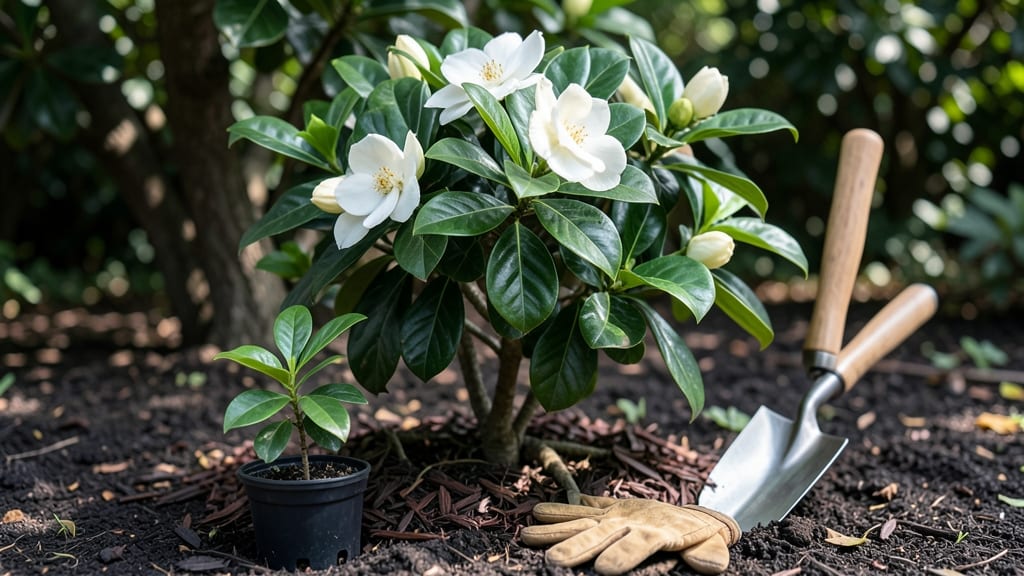
Gardenia planting zones span USDA Zones 7 through 11, where warm temperatures, high humidity, and frost-free winters create ideal growing conditions. These tropical plants demand well-draining soil and struggle in colder climates without proper protection.
Gardenia plants originate from tropical and subtropical regions, so their USDA Zones 7-11 range reflects their need for consistent warmth. 🌿 The key challenge in cooler areas is frost sensitivity—even a light freeze can damage leaves and buds, while excessive heat above 90°F can stress the plant.
I've found that gardeners in marginal zones often succeed by using containers for mobility or providing winter insulation with thick mulch and protective covers.
What's surprising is how adaptable gardenias can be with the right microclimate adjustments. For instance, in Zone 6, many growers overwinter their plants indoors near a bright window, then move them outside once nighttime temperatures stay above 55°F.
The trade-off is slower growth compared to their native range, but the fragrant blooms make it worthwhile for dedicated gardeners.
💡 In This Article
- USDA Zones 7-11: Ideal Climate Conditions for Gardenias
- Microclimate Hacks for Growing Gardenias Outside Their Native Range
USDA zones 7-11: ideal climate conditions for gardenias
Gardenias evolved in tropical and subtropical environments where temperatures rarely drop below 50°F and humidity stays consistently high. Their native range includes southern Florida, Hawaii, and parts of Asia where the climate mimics USDA Zones 10-11 year-round.
The 7-11 range reflects their ability to tolerate brief cool periods in Zone 7, but only if protected from frost. At the cellular level, gardenias have thin, delicate leaves that freeze at 32°F, causing irreversible damage to their chlorophyll structure and halting photosynthesis.
The real magic happens in Zones 9-11 where gardenias experience their ideal growing conditions: 65-85°F daytime temperatures and 60-70% humidity.
This humidity range prevents the buds from drying out before opening, which is why you'll see gardenias in these zones producing 2-3 inches wide, intensely fragrant blooms that last 5-7 days per flower.
In contrast, gardenias in Zone 7 may only bloom sporadically because the cooler nights (45-55°F) slow their metabolic processes, reducing flower production by up to 40% compared to warmer zones.
Root health is another critical factor tied to these zones. Gardenias have shallow, fibrous root systems that thrive in 60-70°F soil temperatures. In Zones 9-11, the ground rarely drops below 55°F, keeping roots actively growing year-round.
However, in Zone 7, soil temperatures can plummet to 35°F or lower in winter, causing root dormancy and stress. This is why you'll often see gardenias in cooler zones planted in 18-inch deep containers—the extra soil mass retains heat better and protects roots from temperature swings.
What most gardeners don't realize is how humidity directly affects flower scent production. Gardenias produce volatile organic compounds (VOCs) that create their signature fragrance, and these compounds require 70%+ humidity to fully develop.
In arid Zone 10 climates, you might need to supplement with mist systems or group plants together to create microclimates that boost scent intensity.
The difference in fragrance between a gardenia in 90% humidity (like Florida) versus 50% humidity (like coastal California) is dramatic—almost like comparing a symphony orchestra to a solo instrument.
Seasonal challenges vary dramatically across these zones. In Zone 11, gardenias grow continuously with minimal care, while Zone 7 gardeners face a 6-month growing season from May to October. The transition periods—spring and fall—are particularly critical.
In Zone 7, sudden temperature drops in spring can cause bud drop if nighttime temps fall below 55°F, while Zone 11 gardeners must protect plants from summer heat above 95°F, which can cause leaf scorch. The key is understanding your specific zone's microclimate patterns and adjusting care accordingly.
Here's what actually happens when gardenias experience temperature extremes: Below 50°F, their stomata (leaf pores) close to prevent water loss, halting nutrient uptake. Above 90°F, their metabolic rate accelerates too quickly, leading to water stress and premature flower drop.
The sweet spot is 70-80°F where photosynthesis, transpiration, and flowering all operate optimally. 🌸 This is why gardeners in marginal zones often use shade cloth during summer afternoons to keep leaf temperatures below 85°F.