
Light Requirements
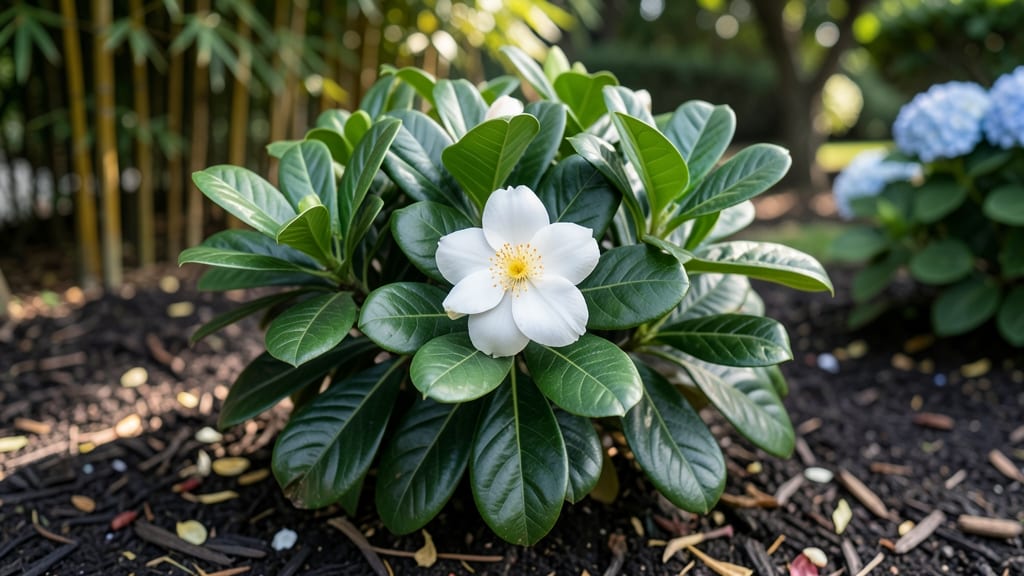
Gardenia sunlight requirements are all about finding that sweet spot between bright morning light and afternoon shade—too much sun scorches the leaves, while too little means sparse blooms.
Struggling to keep your gardenia blooming? The secret might be simpler than you think—most gardenias thrive with just 3-4 hours of morning sunlight, but getting it wrong can mean fewer flowers and weaker growth.
Picture this: your gardenia sits on a patio, basking in gentle morning rays but shielded from the harsh afternoon heat. That’s the ideal setup, but many gardeners overlook how regional climate plays a role—coastal areas might handle slightly more sun, while inland spots need extra shade.
In this guide, I’ll break down exactly how to monitor sunlight exposure, spot the signs of over- or under-lighting, and adjust care for flourishing blooms all season long—no guesswork required.

Optimal sunlight exposure for gardenias: morning sun vs. afternoon heat
Gardenias are famous for their intoxicating fragrance and glossy leaves, but getting their sunlight exposure right is the key to keeping them blooming. Unlike sun-loving plants, gardenias prefer bright morning light (6 AM–10 AM) rather than harsh afternoon rays.
This delicate balance prevents leaf scorch while ensuring enough energy for vibrant flowers.
The secret lies in their natural habitat—most gardenias grow under the dappled shade of tropical forests, where they receive filtered sunlight. Replicating this in your garden means positioning them where they get 3–4 hours of morning sun and afternoon shade.
Too much direct sun, especially in hot climates, can turn their leaves crispy and dull their blooms.
Here’s the breakdown: gardenias need bright, indirect light all day, but the intensity matters. Morning sun is gentler because it’s cooler and less intense than the afternoon heat. Think of it like a sunrise tea party—just enough warmth to wake up the plant without burning it.
In coastal regions, gardenias can handle slightly more sun due to moderate temperatures and humidity. But inland areas with hot, dry summers require extra shade, especially from 12 PM–4 PM. If you’re unsure, start with partial shade and adjust based on leaf color and bloom frequency.
🌱
If you’re growing gardenias in containers, their sunlight needs change slightly. Potted gardenias can tolerate a bit more afternoon sun if their roots stay cool (place pots on porous saucers or use self-watering containers).
However, avoid placing them on concrete patios, which absorb heat and stress the roots.
For in-ground gardenias, mulch heavily around the base with organic matter (like pine bark) to insulate roots from afternoon heat. This mimics their forest-floor habitat and keeps soil temperatures stable. In USDA Zones 8–10, where summers are long and hot, afternoon shade is non-negotiable.
One common mistake is assuming all partial shade is equal. A gardenia under a dense oak tree (deep shade) will struggle just as much as one in harsh afternoon sun.
The goal is filtered light—think of a sheer curtain or a lattice screen that diffuses sunlight without blocking it entirely.
Pro tip: Observe your gardenia’s leaves at midday. If they’re wilting or turning yellow by 1 PM, it’s getting too much sun. Move it closer to a north-facing wall or add a reflective surface (like a white wall) to bounce back some light without overheating.
🌿
Signs your gardenia isn’t getting the right sunlight (and how to fix it)
If your gardenia’s leaves are turning yellow or brown along the edges, it’s a red flag—this often means too much direct afternoon sun is scorching the delicate foliage.
I’ve seen this happen when gardeners place their plants in full sun without gradual acclimation, especially in hotter climates like USDA Zone 8 and above.
On the flip side, pale green leaves and sparse blooms signal the opposite problem: not enough light. Gardenias need 3-4 hours of morning sun to trigger flowering, but many gardeners mistakenly assume they’re shade plants and place them too deep in the garden’s shadow.
Here’s the kicker: gardenias also develop leggy growth when stretched toward light, a classic sign they’re craving more brightness. If your plant looks like it’s reaching for the sky, it’s time to adjust its location or provide supplemental light.
⚠️ Warning: Sunlight Shock Kills Gardenias
Sudden changes in sunlight can stress your gardenia, causing leaf drop or bud blast (when buds form but never open). If you’ve recently moved your plant, acclimate it gradually—start with 1 extra hour of morning sun per week and monitor for stress signs like crispy leaf edges or wilting.
Pro Tip: Use a light meter or observe your gardenia’s shadow at 10 AM and 2 PM—if the shadow is less than 1 foot long, it’s getting too much direct sun.
To fix over-exposure, move your gardenia to a spot with dappled shade (like under a light canopy) or use a sheer curtain to filter harsh rays. For under-exposed plants, gradually increase morning light by 1 hour per week—never rush it, or you’ll risk sunburn.
Pruning can also help: Thin out dense foliage to improve airflow, which reduces heat stress. I recommend pruning in early spring before new growth starts, focusing on overcrowded branches that block light from reaching inner leaves.
Finally, container gardeners have an advantage—they can easily rotate pots to ensure even light exposure. If your gardenia is in a pot, turn it quarter-turns every 2 weeks to prevent one-sided growth and keep it blooming symmetrically.