
Aphids
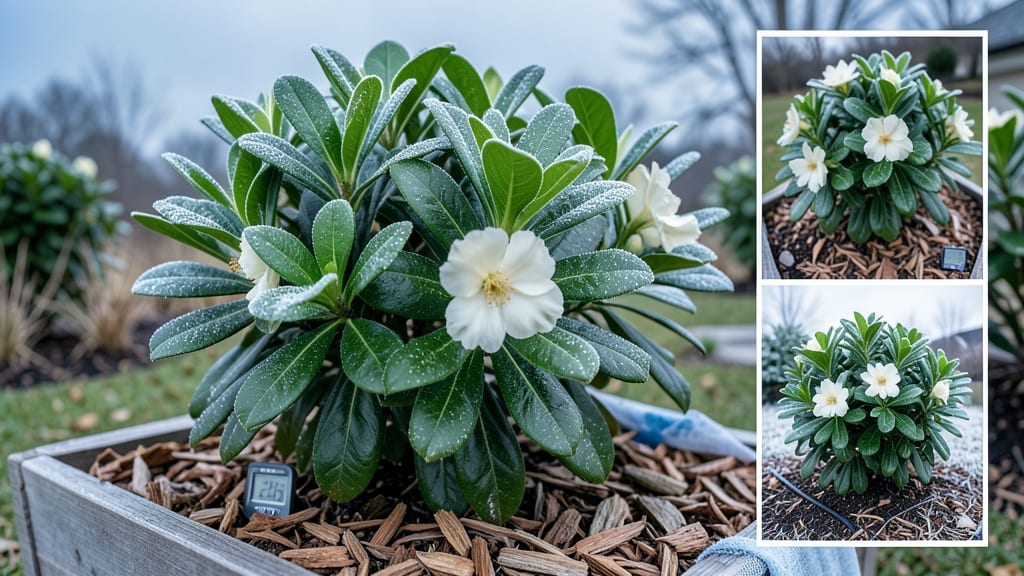
Gardenia plants are winter hardy in USDA Zones 7-11, requiring protection in colder climates with mulching, frost blankets, or container relocation to prevent dieback from freezing temperatures below 20°F. Evergreen varieties tolerate mild winters better than tropical hybrids.
Understanding gardenia winter hardiness starts with recognizing that these tropical favorites have a surprisingly resilient range when given the right care. 🌿 The key difference lies in their foliage—evergreen varieties can handle light freezes better than their tropical cousins, which lose leaves entirely when stressed.
In marginal zones like 6 or 12, gardeners often use thick mulch layers (4-6 inches) combined with frost cloths to create a protective microclimate around the roots, where most cold damage originates.
For those in colder regions, container gardening offers flexibility—simply move potted gardenias to a garage or shed before temperatures drop. The secret weapon here is timing: wait until the first frost warning, then wrap the pots in bubble wrap or burlap to insulate against rapid temperature swings.
Tropical hybrids, in particular, benefit from anti-desiccant sprays before winter sets in, as their waxy leaves are prone to drying out in cold, dry air.
💡 In This Article
- USDA Zones for Gardenia Survival: What Determines Hardiness?
- Cold Protection Hacks for Gardenias in Marginal Zones
USDA zones for Gardenia survival: what determines hardiness?
Gardenia hardiness hinges on their tropical origins, where temperatures rarely drop below 50°F. The USDA Zones 7-11 mark the sweet spot because these plants can tolerate brief dips to 20°F—but only if their roots stay protected.
Evergreen varieties like Gardenia jasminoides have thicker, waxier leaves that resist cold better than tropical hybrids, which shed foliage to conserve energy. This is why evergreens often survive 25°F with minimal damage, while tropical types may suffer leaf scorch at 30°F. 🌱
The real vulnerability lies in the roots. Gardenias develop shallow root systems that freeze solid when exposed to 15°F or lower, even if the foliage appears unharmed.
In Zone 7, where winters dip to 0°F, gardeners must simulate the plant's natural tropical environment—keeping soil temperatures above 40°F through mulching or insulation. The science here involves cellular dehydration: ice crystals form in plant tissues, rupturing cell walls and causing irreversible damage.
Tropical hybrids, with thinner leaves, dehydrate faster in cold air, making them more susceptible.
Dormancy plays a critical role in gardenia survival. Unlike deciduous plants that enter true dormancy, gardenias remain semi-active, requiring consistent moisture and warmth.
In Zone 8 (10-20°F winters), they can handle 3-4 weeks of 25°F temperatures if roots are insulated with 6+ inches of organic mulch (like pine straw or shredded bark). The mulch acts as a thermal blanket, slowing heat loss by up to 50% compared to bare soil.
This is why gardeners in marginal zones often see better results with container-grown plants—the pots' insulation properties mimic the mulch effect.
Evergreen vs. tropical hybrids also affects hardiness. Evergreen varieties like Gardenia augusta maintain their leaves year-round, using them to photosynthesize even in cooler months. Their waxy leaf coating reduces water loss, allowing them to survive 20°F without defoliation.
Tropical hybrids, bred for larger blooms, prioritize growth over cold resistance, making them less adaptable. For example, Gardenia 'Kleim's Hardy', a Zone 7 cultivar, can handle 15°F with proper protection, while Gardenia 'Radicans' (a tropical type) may die back entirely at 28°F. 🌡️
Zone 11 gardenias face a different challenge: heat stress. While they thrive in 80-90°F days, prolonged exposure to 100°F+ can cause leaf scorch and bloom failure. The key is afternoon shade and consistent moisture—gardenias in Zone 11 need 1-2 inches of water weekly to prevent root desiccation.
This highlights how gardenia hardiness isn't just about cold tolerance but also about maintaining optimal growing conditions year-round. In colder zones, the focus shifts to protecting roots; in hotter zones, it's about managing heat and humidity.
For gardeners pushing the limits, soil type matters. Sandy soils drain too quickly, exposing roots to temperature swings, while clay holds moisture but can suffocate roots in winter. The ideal is loamy soil amended with 30% compost, which retains moisture while allowing airflow.
In containers, use a mix of 50% peat moss, 30% perlite, and 20% sand to replicate this balance. This soil cocktail helps buffer temperature extremes, keeping roots in the 50-60°F range even when air temps drop. 🌿