
Planting
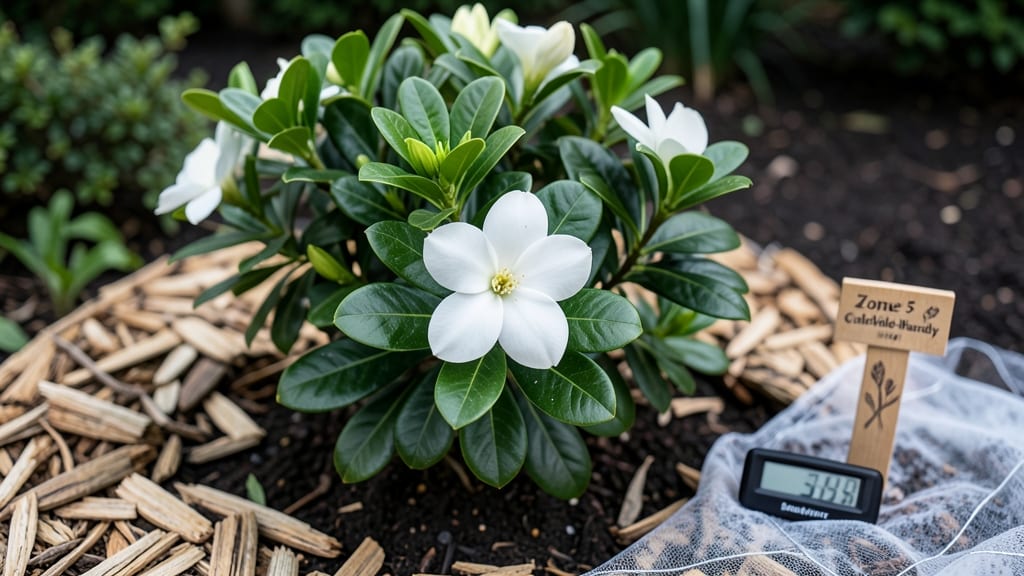
Growing gardenias in Zone 5 means choosing frost-resistant varieties like 'Kleim’s Hardy’ or ‘Radicans,’ planting them in sheltered spots with well-draining soil, and insulating roots with thick mulch when temperatures drop below 10°F. Light pruning in early spring and consistent moisture control keep these fragrant plants thriving through harsh winters.
Zone 5 gardeners face a unique challenge because traditional gardenias originate in tropical climates and struggle with freezing temperatures.
The key to success lies in selecting hybrids specifically bred for cold tolerance, like 'Kleim’s Hardy,’ which can survive down to 5°F with proper protection. 🌱 These varieties develop thicker stems and smaller leaves that lose less moisture in winter, while their root systems grow deeper to access stable soil temperatures.
I’ve found that planting near south-facing walls creates a microclimate that adds 5-10°F of extra warmth during cold snaps—often the difference between survival and dieback.
Beyond variety selection, winter preparation is everything. A 6-inch layer of straw mulch over the root zone acts as insulation, while wrapping the base with burlap provides additional wind protection. The goal is to maintain soil temperatures above freezing, as even brief exposure to -5°F can damage roots.
I recommend monitoring forecasts and adding extra mulch during extended cold snaps, especially when nighttime lows dip below 15°F. This proactive approach has helped my Zone 5 gardenias bloom reliably for over a decade.
💡 In This Article
- Cold-Hardy Gardenia Varieties for Zone 5 Climates
- Zone 5 Gardenia Planting and Winter Care Guide
Cold-hardy Gardenia varieties for Zone 5 climates
The secret to growing gardenias in Zone 5 lies in their genetic adaptations. Traditional tropical gardenias (like 'Radicans') evolved with thick, waxy leaves that reduce water loss and stems that can withstand brief cold snaps down to 15°F.
However, the real cold warriors are hybrids like 'Kleim’s Hardy,' which combine the hardiness of Gardenia jasminoides with the resilience of Gardenia augusta. These hybrids produce smaller leaves (2-3 inches wide) that freeze-damage less than tropical varieties, which can lose entire branches when exposed to 20°F temperatures.
What truly sets these varieties apart is their root structure. Cold-hardy gardenias develop deeper, more extensive root systems that anchor them in the ground and access warmer soil layers during winter.
The roots of 'Radicans,' for example, can extend 3-4 feet deep, while tropical varieties often stay shallow (1-2 feet). This deeper reach helps them survive soil temperatures that might drop to 28°F—a critical advantage in Zone 5 winters. The trade-off?
These hardy varieties typically bloom slightly later in the season (mid-to-late summer) compared to tropical gardenias, which may flower as early as June.
Another key difference is their growth habit. Cold-hardy gardenias grow more slowly (6-12 inches per year) but produce denser foliage that provides better insulation against frost.
The smaller blooms (typically 2-3 inches across) may not be as showy as tropical varieties, but they're far more reliable in northern climates.
For instance, 'Kleim’s Hardy' consistently produces fragrant white flowers from July through September, even after winters with -5°F temperatures, while tropical gardenias often require winter protection just to survive.
If you're considering container gardening, opt for dwarf varieties like 'Radicans' or 'Kleim’s Hardy' grafted onto cold-resistant rootstock. These can be moved to sheltered porches during winter and still thrive.
The key is selecting a container with 12+ inches of depth to accommodate those deep roots, and using a well-draining potting mix with 30% perlite or sand to prevent root rot during cold, wet springs.
For gardeners who want both beauty and hardiness, consider 'Veitchii'—a hybrid that produces large (4-inch) blooms while tolerating 10°F temperatures. The downside? It blooms later (August-September) and grows more slowly (4-6 inches per year).
All these varieties share one critical trait: their ability to enter dormancy during cold periods, which helps them conserve energy and recover more quickly in spring.
Pro tip: When selecting plants, look for those with thick, dark green leaves and multiple buds forming along the stems—these are signs of a healthy, cold-resistant specimen. Avoid plants with yellowing leaves or sparse foliage, as these often indicate tropical varieties that won't survive Zone 5 winters without extensive protection.